
Boehringer Ingelheim Secures $7.4B Oncology Deal with Sino Biopharma
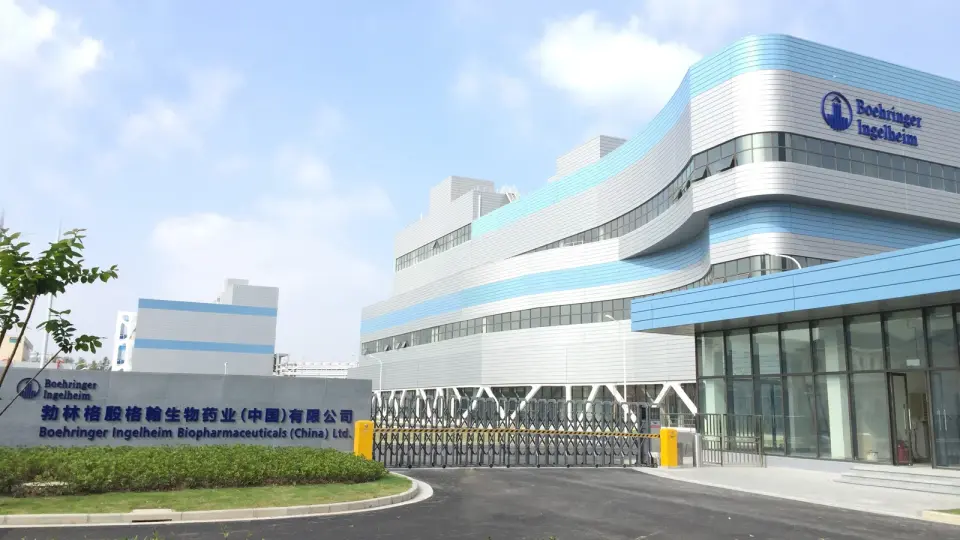
Boehringer Ingelheim has agreed to a deal worth up to $7.4 billion with Sino Biopharmaceutical to license six preclinical cancer therapies. The agreement focuses on antibody-drug conjugates and T-cell engagers, with Boehringer paying $358 million upfront. This marks the second major partnership between the two firms and highlights continued Western interest in Chinese biotech innovation despite regulatory headwinds.
Key points
- Boehringer Ingelheim will pay $358 million upfront to Sino Biopharmaceutical for a six-program option and license agreement.
- The deal covers preclinical antibody-drug conjugates and T-cell engagers, with five assets from Sino’s LaNova Medicines subsidiary and one from Beijing Tide Pharmaceutical.
- Sino Biopharmaceutical will oversee early development toward clinical milestones, after which Boehringer can exercise options to license the therapies.
- Boehringer will acquire worldwide rights for two drugs and ex-China rights for the other four.
- Total potential payments to Sino could reach $7 billion, including option fees, milestones, and tiered royalties.
- This is the second partnership between the companies, following an existing oncology collaboration.
Background
Boehringer Ingelheim has been actively expanding its oncology pipeline through external innovation. In April 2026, the company’s innovation head, Paola Casarosa, identified antibody-drug conjugates and T-cell engagers as a key strategic focus. The company recently licensed a candidate from South Korea’s AimedBio for up to $991 million and committed approximately $31 million to a new R&D facility in Switzerland dedicated to ADC development. Boehringer’s T-cell engager obrixtamig is currently in phase 3 trials for small-cell lung cancer and extrapulmonary neuroendocrine carcinoma. This new deal follows an existing oncology partnership with Sino Biopharmaceutical, which operates globally under the SBP Group brand. Boehringer maintains an External Innovation Hub in Shanghai, facilitating its presence in China’s biopharma scene.
How outlets are covering it
Fierce Biotech provides detailed terms of the deal, including the $358 million upfront payment and the breakdown of the six programs between LaNova Medicines and Beijing Tide Pharmaceutical. It emphasizes Boehringer’s strategic focus on ADCs and T-cell engagers, citing statements from Paola Casarosa. Axios highlights the broader trend of growing dealmaking momentum between Western pharma and Chinese biotechs, noting that this occurs despite new restrictions from the Trump administration. Endpoints News describes the deal as 'backloaded,' focusing on the potential $7 billion total value and the specific modalities involved. All three sources agree on the core financial terms and the strategic significance of the partnership, but they differ in emphasis: Fierce Biotech focuses on the scientific and strategic rationale, Axios on the geopolitical context, and Endpoints News on the financial structure.
Why it matters
This deal underscores the continued importance of Chinese biopharma as a source of innovation for Western pharmaceutical companies, even amid regulatory challenges. It reflects Boehringer Ingelheim’s commitment to expanding its pipeline in high-growth oncology modalities like ADCs and T-cell engagers. The agreement also signals a shift in the global pharma landscape, where large Western companies are increasingly partnering with Chinese firms to access early-stage assets, despite potential geopolitical tensions.
What to watch
Sino Biopharmaceutical will oversee the early development of the six programs toward agreed clinical milestones. Boehringer will then have the option to license the therapies, potentially paying additional fees. The success of these programs will depend on their ability to meet these milestones and ultimately reach the market. The deal may also influence future partnerships between Western and Chinese biopharma companies, depending on the regulatory environment and the performance of these early-stage assets.
- Boehringer returns to Sino Biopharma in $7.4B deal for preclinical TCEs, ADCs Fierce Biotech
- Boehringer doubles down on China with $7B cancer deal Axios
- Boehringer announces new oncology partnership with SBP Group Boehringer Ingelheim
- Boehringer, Sino Enter Cancer Drug Deal Worth Over $7 Billion Bloomberg
- Boehringer Ingelheim strikes $7B backloaded ADC, TCE cancer deal with China’s Sino Endpoints News
Want the full story? Read the original reporting
Read on Fierce Biotech