
CVS Health to split into two public companies by 2028, reversing Aetna merger
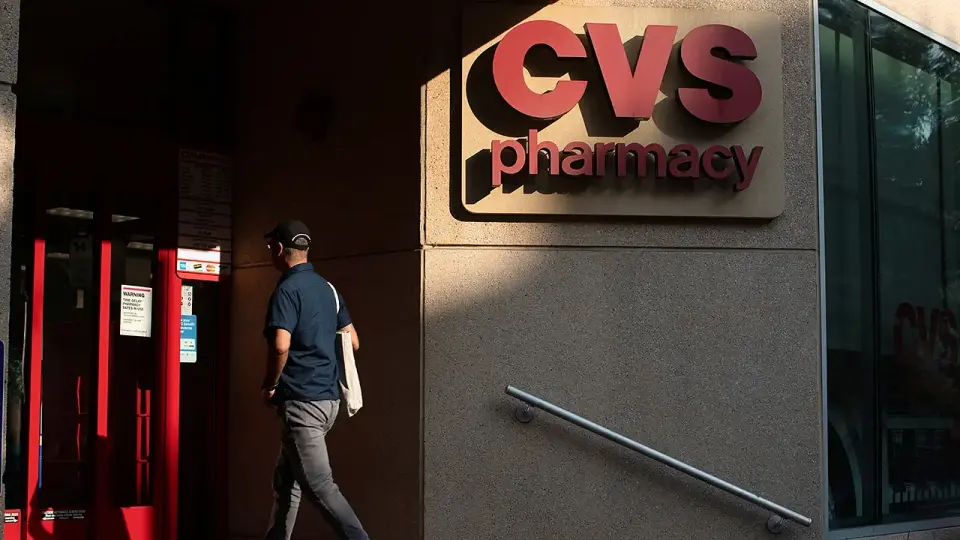
CVS Health announced it will split into two independent public companies by the first half of 2028, separating its retail pharmacy network from its insurance and pharmacy benefit manager (PBM) units. The move reverses the 2018 acquisition of Aetna and responds to mounting regulatory scrutiny of vertically integrated healthcare firms. Shares fell 12.5% on the news, though the company reported strong third-quarter earnings.
Key points
- The split will create two entities: CVS Health (retaining the name, including Aetna, Caremark, and specialty care) and CVS Pharmacy (retaining ~9,000 stores, MinuteClinic, and mail-order services).
- The restructuring is expected to be completed by the first half of 2028 and will be tax-free for existing shareholders, who will receive shares in both new companies.
- CVS shares dropped 12.5% following the announcement, reaching levels not seen since spring 2024, despite the company posting higher third-quarter earnings and revenue.
- The decision follows a strategic review and comes amid bipartisan legislative pressure to break up vertically integrated healthcare conglomerates, particularly regarding PBM ownership of retail pharmacies.
- CEO David Joyner stated the move is not a distressed decision but aims to create two focused companies with greater value for stakeholders, while acknowledging regulatory pressures.
Background
CVS Health had been undergoing a strategic review since October 2024, with CEO David Joyner taking over in the wake of layoffs and poor stock performance. The company had previously faced activist pressure from Glenview Capital and regulatory scrutiny from the FTC and state legislatures in Arkansas and Tennessee, which passed laws barring PBMs from owning retail pharmacies. The 2018 acquisition of Aetna for $69 billion (later valued at $78 billion in total deal value) created one of the largest healthcare conglomerates in the US, a structure now under threat from bipartisan efforts to reform PBM practices.
How outlets are covering it
Fox Business highlighted Douglas Hoey of the National Community Pharmacists Association, who argued the split could improve competition and lower drug costs by removing CVS's dual role as both a competitor and a PBM that dictates reimbursement rates. However, Hoey noted that CVS Specialty will remain in the healthcare division, potentially preserving conflicts of interest in high-cost medications. The Financial Times emphasized the political backlash against healthcare giants, noting that the move may be a preemptive response to state laws in Arkansas and Tennessee, which are facing federal legal challenges. CNBC focused on the financial implications, noting that CVS shares had jumped 70% since Joyner's appointment, and that the split reverses the 2018 Aetna merger. CNN noted that the split marks a major step back from the trend of integrating insurers, PBMs, and providers into massive conglomerates, which has come under attack from consumer advocates and lawmakers for wielding too much control of the sector.
Why it matters
The CVS split is a significant shift in the US healthcare industry, potentially setting a precedent for other vertically integrated firms. It could impact drug prices, pharmacy competition, and patient access to medications. The move also reflects growing bipartisan pressure to reform PBM practices and break up healthcare conglomerates, which could have broader implications for the healthcare industry and consumers.
What to watch
The split is expected to be completed by the first half of 2028. CVS will need to determine how the two companies will be regulated, particularly regarding conflicts of interest in specialty medications. The company will also need to address potential store closures in the retail pharmacy division, which has seen a 10% closure rate over the past five years. Investors will be watching how the two new companies perform and whether the split leads to improved competition and lower drug costs.
- CVS announces major breakup, pharmacy expert weighs impact on consumers Fox Business
- CVS bets on break-up to dodge political backlash against healthcare giants Financial Times
- CVS to split into two companies, in major breakup of its $117 billion healthcare empire CNN
- CVS to split off drugstore business in major breakup of healthcare giant; shares fall 10% CNBC
- Inside CVS’s Decision to Break Up a Healthcare Juggernaut WSJ
Want the full story? Read the original reporting
Read on Fox Business