
Kellogg’s swaps rice for flour in European Rice Krispies, sparking consumer backlash over lost 'pop'
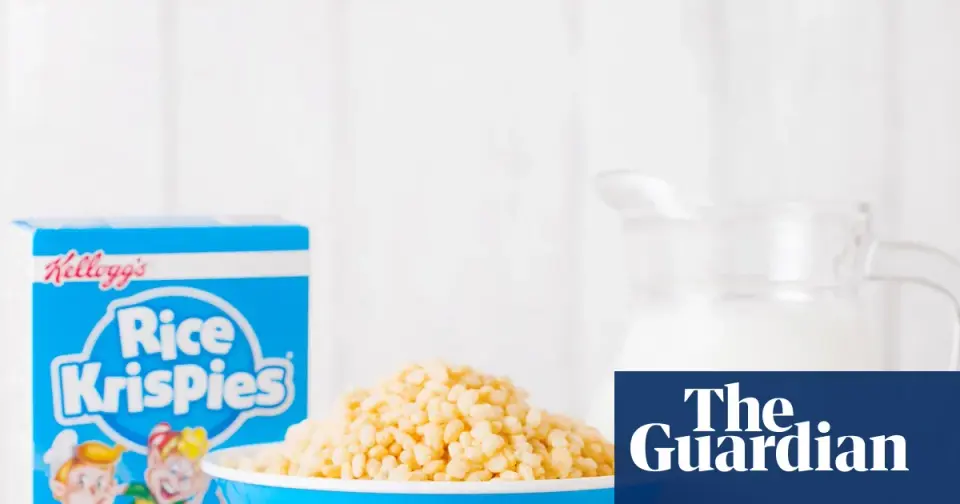
Kellogg’s has reformulated Rice Krispies and Coco Pops in European markets, replacing whole rice with a blend of rice and corn flour due to supply disruptions from changing weather conditions. While the company maintains the nutritional profile remains unchanged, consumers report a noticeable loss of the iconic 'snap, crackle, and pop' sound and altered texture, prompting widespread online criticism.
Key points
- Kellogg’s replaced whole rice grains with rice and corn flour in Rice Krispies and Coco Pops across European markets to ensure consistent quality amid supply chain issues.
- The company attributes the change to 'changing weather conditions' that have reduced the availability and quality of specific rice varieties, citing extreme weather events in Spain in 2022 and 2023.
- Kellogg’s admits the new recipe may result in a quieter 'snap, crackle, and pop' sound, though they assert the core experience remains intact.
- The reformulation introduces wheat gluten as an ingredient, requiring new allergen labeling, whereas previous versions only carried a 'may contain gluten' warning due to shared manufacturing facilities.
- Nutritional content, including fiber, Vitamin D, and iron, remains unchanged, and the products retain their non-HFSS (high in fat, salt, or sugar) status.
- No changes are being made to Rice Krispies products in the US and Canada, which are operated by separate entities.
Background
This reformulation follows a broader trend of ingredient adjustments in major food brands, such as sugar reductions in cereals in 2018 and salt reductions in the 1990s. The current changes are driven by climate-related supply chain pressures, particularly the impact of El Niño on global rice production, which is expected to intensify through 2027. The original Kellogg company split in 2023, with Kellanova (owned by Mars) handling global snacks and cereals, and WK Kellogg’s (owned by Ferrero) operating in North America.
How outlets are covering it
The Guardian emphasizes the technical details of the reformulation, noting the shift to rice and corn flour and the resulting allergen labeling changes, while also highlighting declining sales figures from industry surveys. The BBC focuses on the consumer backlash, detailing online complaints about the loss of the iconic sound and altered taste, with Kellogg’s acknowledging the 'pop' may be quieter. Both sources agree on the climate-driven rationale but differ in emphasis: The Guardian frames it as a business and regulatory issue, while the BBC highlights the cultural and sensory impact on consumers.
Why it matters
This case illustrates the tangible impact of climate change on global food supply chains, forcing major corporations to alter long-standing recipes to maintain product availability. It also highlights the sensitivity of consumers to even minor changes in familiar products, as well as the regulatory implications of ingredient substitutions, such as new allergen declarations. The situation underscores the growing pressure on food manufacturers to balance consistency, quality, and sustainability in a volatile climate environment.
What to watch
Kellogg’s plans to continue monitoring consumer feedback and exploring ways to improve its products. The company has not indicated any plans to revert to the original recipe, suggesting the new formulation may be permanent. The ongoing El Niño weather pattern is expected to further strain global rice supplies, potentially leading to more ingredient adjustments in the food industry.
- Snap and crackle but no pop: Rice Krispies reformulated due to lack of rice The Guardian
- Kellogg's admits snap, crackle and pop is quieter after uproar over Rice Krispies recipe change BBC
- Rice Krispies will continue to be made with real rice in Canada, Kellogg’s says CTV News
- Kellogg's Rice Krispies changed its U.K. recipe, muffling its iconic snap, crackle and pop CBC
- Kellogg’s removes rice from Rice Krispies due to climate changes Yahoo
Want the full story? Read the original reporting
Read on The Guardian