
Musk’s $450M Bet Fails as Democratic Texas Wins Threaten AI Empire
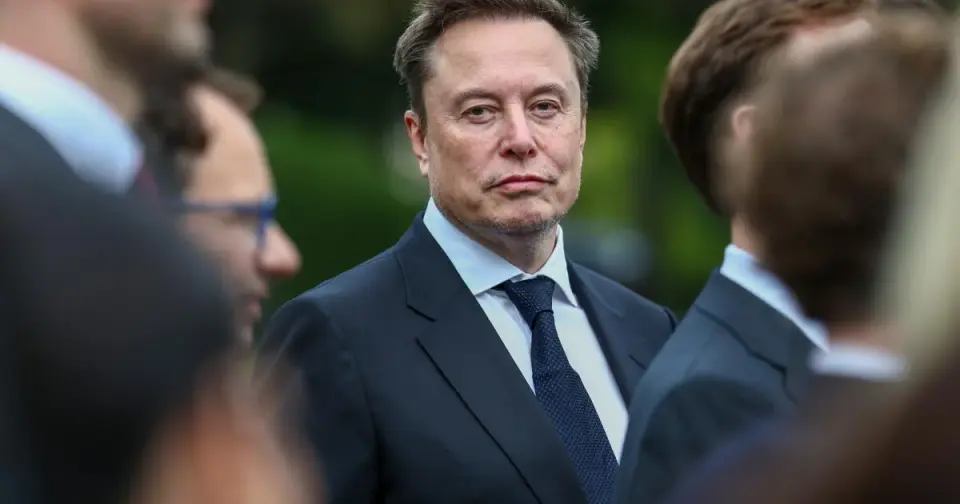
Elon Musk’s nearly $450 million investment in Republican candidates failed to prevent a historic Democratic landslide, including key wins in Texas. The shift threatens his business empire, as new Democratic leaders in Texas and Congress plan to regulate AI data centers and scrutinize SpaceX and Tesla. Shares in both companies dropped significantly following the election results.
Key points
- Musk spent approximately $450 million on GOP candidates, including $45 million for Ken Paxton in Texas, but Democrats won the state and national control.
- Texas governor-elect Gina Hinojosa campaigned on halting data center construction, directly targeting SpaceX’s planned 'Colossal 3' facility and AI expansion.
- SpaceX shares fell 3.8% to $135.92, and Tesla dropped 3.3% to $385.19, with broader tech stocks also declining due to regulatory fears.
- Democrats now control congressional committees, potentially leading to hearings on Musk’s role in DOGE and scrutiny of SpaceX’s military contracts.
- Tesla’s robotaxi expansion faces potential regulatory hurdles in Texas, where it currently operates in only four cities compared to rivals' broader reach.
Background
Musk had previously donated over $445 million to Republican causes, including $276 million to aligned groups, in an effort to influence the 2026 midterms. Earlier warnings from Democratic leaders suggested that despite massive Republican spending, voter dissatisfaction with the economy and redistricting efforts would drive a Democratic surge. The recent election results confirmed this trend, with Democrats seizing 28 governorships and both chambers of Congress.
How outlets are covering it
The Los Angeles Times emphasizes the broad regulatory threat to Musk’s entire business empire, including potential congressional hearings on his DOGE role and antitrust concerns regarding a possible Tesla-SpaceX merger. CNN focuses specifically on the Texas political shift, highlighting how governor-elect Hinojosa’s data center moratorium and attorney general Nathan Johnson’s planned investigation into Starlink broadband grants pose direct operational risks. BBC highlights the immediate market reaction, noting that SpaceX shares plunged over 7% in early trading as investors reacted to fears of AI industry regulation and a potential bubble correction. While all sources agree on the financial impact, the LA Times and CNN stress long-term regulatory scrutiny, whereas BBC focuses on the immediate stock market volatility and industry-wide communication failures regarding data centers.
Why it matters
The election results signal a shift in the political landscape that could fundamentally alter the regulatory environment for AI and technology companies. Musk’s failure to secure Republican control in key states like Texas exposes the limits of mega-donor influence and suggests that future Democratic administrations may prioritize stricter oversight of AI development, data center construction, and autonomous vehicle regulations. This could impact not only Musk’s companies but the broader tech industry's growth strategies and investment decisions.
What to watch
Investors and analysts expect increased scrutiny of Musk’s companies in the coming months. Hinojosa is expected to implement her data center moratorium, potentially halting SpaceX’s expansion plans. Congress may hold hearings on Musk’s DOGE role and SpaceX’s government contracts. Tesla may face stricter regulations on its robotaxi service. The industry is also likely to face pressure to improve community engagement regarding data center construction, as acknowledged by tech leaders like Greg Brockman of OpenAI.
- What the Democratic landslide means for GOP booster Elon Musk and his businesses Los Angeles Times
- Opinion | Elon Musk’s Very Bad Night The New York Times
- Shares in Musk's SpaceX plunge as tech and AI stocks fall BBC
- Musk bet big on keeping Texas red. What happens to his business empire now? CNN
- Elon Musk Deletes Midterm Posts After Stunning Election Losses Forbes
Want the full story? Read the original reporting
Read on Los Angeles Times