
Rising Scams and AI Fraud Threaten Vacation Rental Trust
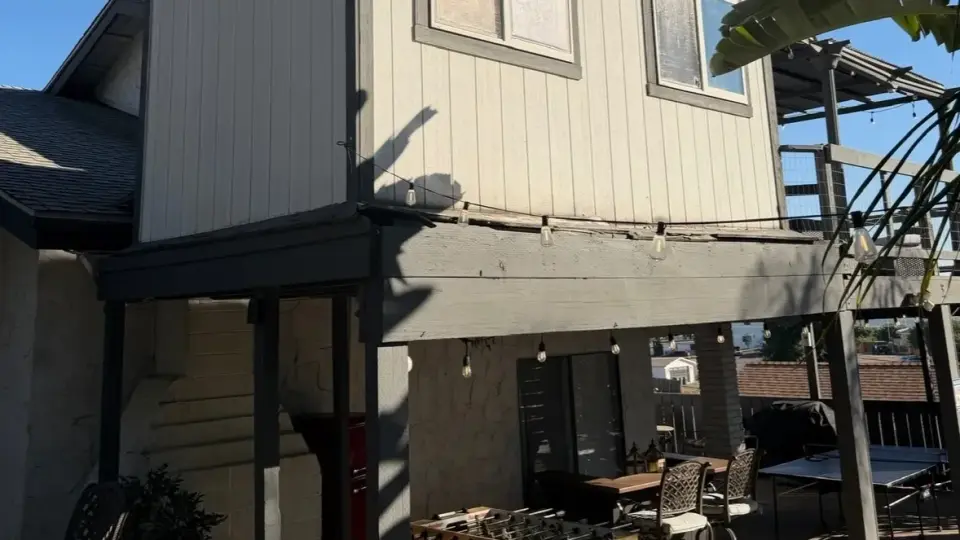
A family’s disastrous San Diego vacation rental highlights a growing trend of fraudulent listings on short-term rental platforms. The property, which featured rusty nails, broken furniture, and duct-taped stairs, bore no resemblance to its online photos, which the traveler suspected were AI-generated. Despite a month-long dispute, the family eventually received a full refund from Airbnb, which removed the listing. This incident reflects broader industry concerns, with recent data showing a 30-fold increase in scam mentions on dark-web forums. Experts warn that platforms like Airbnb, Vrbo, and Booking.com are vulnerable to sophisticated fraud, including fake reviews and bait-and-switch tactics. While companies employ anti-fraud technology and offer refund protections, travelers remain at risk of financial loss or physical harm. Industry advocates recommend using reverse image searches and Google Street View to verify properties before booking, as traditional listing checks are often insufficient to detect modern scams.
Key points
- A family in San Diego encountered a rental with safety hazards, including exposed nails and broken stairs, that did not match the listing photos, which they believed were AI-generated.
- Airbnb confirmed it removed the specific listing and issued a full refund after a month-long complaint process, citing quality standard violations.
- A September 2026 survey by Landing found that 52% of American respondents have booked a rental that looked significantly different from its images, with over 25% shifting to hotels to avoid uncertainty.
- Data from Saily and NordStellar indicates a 30-fold increase in Airbnb scam mentions on dark-web forums compared to early 2023, driven by AI-generated content and fake reviews.
- Airbnb blocked over 265,000 suspicious listings in 2025 using anti-fraud technology, while Vrbo and Booking.com offer automatic refund protections and AI-driven detection systems for fake listings.
- Experts advise travelers to verify properties using Google Street View and reverse image searches, as platform verification processes are often optional or easily bypassed by scammers using fake IDs.
Background
Short-term rental platforms have expanded rapidly, creating a market where individual hosts list properties without the standardized oversight of traditional hotel brands. This growth has outpaced regulatory frameworks, leaving many listings without enforced safety or quality standards. Previous incidents have highlighted the risks of unregulated accommodations, including injuries and crimes, prompting legal experts to note an uptick in vacation-rental liability cases. The reliance on user-generated content for listings and reviews mirrors social media dynamics, making it difficult for consumers to distinguish genuine properties from fraudulent ones.
Why it matters
The proliferation of AI-generated images and fake reviews undermines the trust model that underpins the sharing economy. As scammers exploit platform loopholes to create non-existent or unsafe properties, travelers face increased financial risk and potential physical danger. The inability of current verification systems to fully prevent fraud means that consumers must take on the burden of due diligence, shifting the cost of safety from platforms to individuals. This trend threatens the viability of vacation rentals as a reliable travel option and may drive a return to traditional hotel bookings where standards are more consistent.
What to watch
Travelers are likely to adopt more rigorous verification methods, such as reverse image searches and street view checks, before booking. Platforms may face pressure to strengthen mandatory verification protocols and improve real-time fraud detection. Legal frameworks may evolve to hold platforms more accountable for misrepresented listings, particularly if off-platform payments are involved. Continued collaboration between platforms and law enforcement may be necessary to combat the rising sophistication of scam networks targeting the vacation rental market.
Want the full story? Read the original reporting
Read on usatoday.com