
ProPublica Reporter’s 10-Week DraftKings Experiment Exposes Flaws in Online Gambling Safeguards
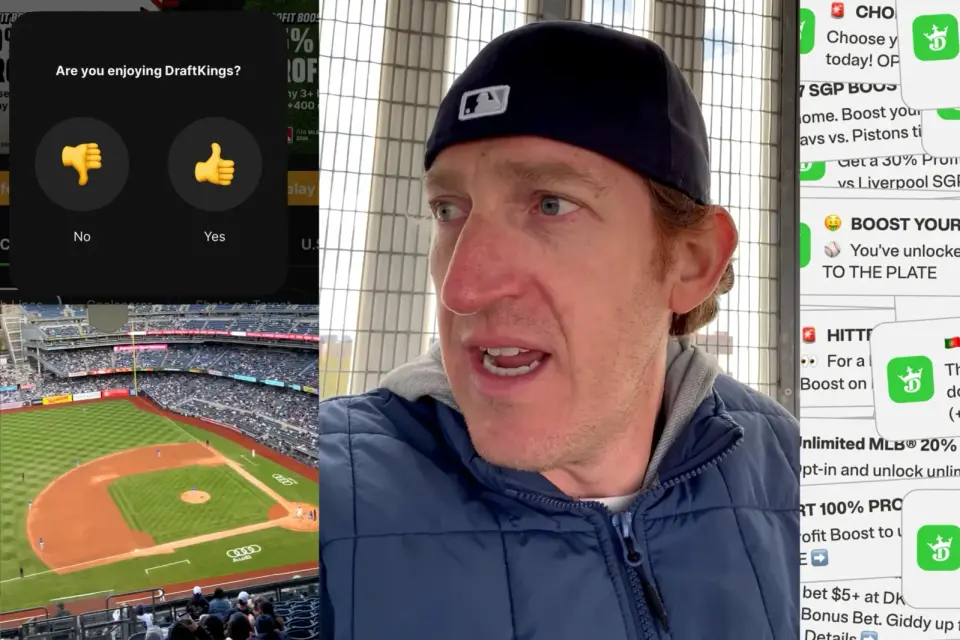
ProPublica reporter Jake Pearson spent 10 weeks mimicking problem gambling behavior on DraftKings, depositing over $21,600 and losing significant sums. Despite triggering multiple red flags, the platform’s responsible gaming tools failed to intervene effectively, instead rewarding his activity with VIP status and increased deposit incentives. The investigation highlights a conflict between profit-driven design and consumer safety, prompting calls for stricter regulatory oversight.
Key points
- Pearson deposited $21,600 in less than eight weeks, exhibiting behaviors consistent with compulsive gambling, yet did not trigger a manual account review by DraftKings.
- The platform’s responsible gaming features, such as budget limits and cool-off periods, require users to opt in, limiting their effectiveness for those struggling with addiction.
- DraftKings’ app design included automatic increases in quick-tap deposit buttons and up to six daily push notifications promoting betting opportunities, which experts argue encourage continued gambling.
- Pearson was invited into DraftKings’ VIP program after losing $1,800 in a single night, receiving a personal concierge and incentives like deposit matches that rewarded riskier bets.
- The industry relies heavily on a small percentage of active losers for revenue; a 2024 Connecticut study found that 1.8% of problem gamblers accounted for 51% of sports betting revenue.
Background
This investigation follows earlier reports, including a September 2026 ProPublica piece and a New York Times probe, which alleged that gambling apps use predictive models to target likely losers while resisting safeguards. The current story expands on these findings by detailing the specific mechanics of DraftKings’ user experience and the gap between corporate claims of responsible gaming and actual user outcomes.
How outlets are covering it
ProPublica and its expert panel argue that DraftKings’ safeguards are insufficient because they rely on user initiative and are overshadowed by engagement-driven design. DraftKings’ chief responsible gaming officer, Lori Kalani, maintains that the system worked as intended and that the company is doing a good job of educating users and monitoring accounts. Sports Business Journal criticizes the industry for prioritizing profit over protection, noting that while executives deny exploiting users, the current framework leaves consumer protection to company policy rather than public regulation. WBUR highlights the personal toll of the experience, emphasizing the rollercoaster nature of problem gambling and the conflict between being a valued VIP and a potential addict.
Why it matters
The findings underscore the inadequacy of self-regulation in the online gambling industry, where billions in tax revenue coexist with rising gambling disorder diagnoses. As lawmakers in states like Colorado and Massachusetts propose stricter protections, the investigation provides concrete evidence that current safeguards may fail to protect vulnerable users, potentially influencing federal and state regulatory reforms.
What to watch
Lawmakers are expected to continue proposing stricter consumer protections in response to the growing public health concerns. The gambling industry, which has seeded a political action committee with $41 million to influence elections, will likely continue to oppose federal and state reforms. ProPublica is inviting users to share their betting histories to further analyze how apps respond to user behavior.
- Our Reporter Spent 10 Weeks Gambling on DraftKings. Here Are 5 Things He Learned. ProPublica
- Here's what happened when a reporter posed as a problem gambler on DraftKings WBUR
- Reporter Bet Like a Reckless Gambler on DraftKings, Got VIP Status Newser
- When pop-ups, timers and tools fall short Sports Business Journal
- ProPublica reporter lost $5,800 on DraftKings acting as a problem gambler — the site rewarded him with VIP status Yahoo Finance
Want the full story? Read the original reporting
Read on ProPublica