
Washington State Ferries Halt 72% of Service After 23 Engineers Call Out Sick
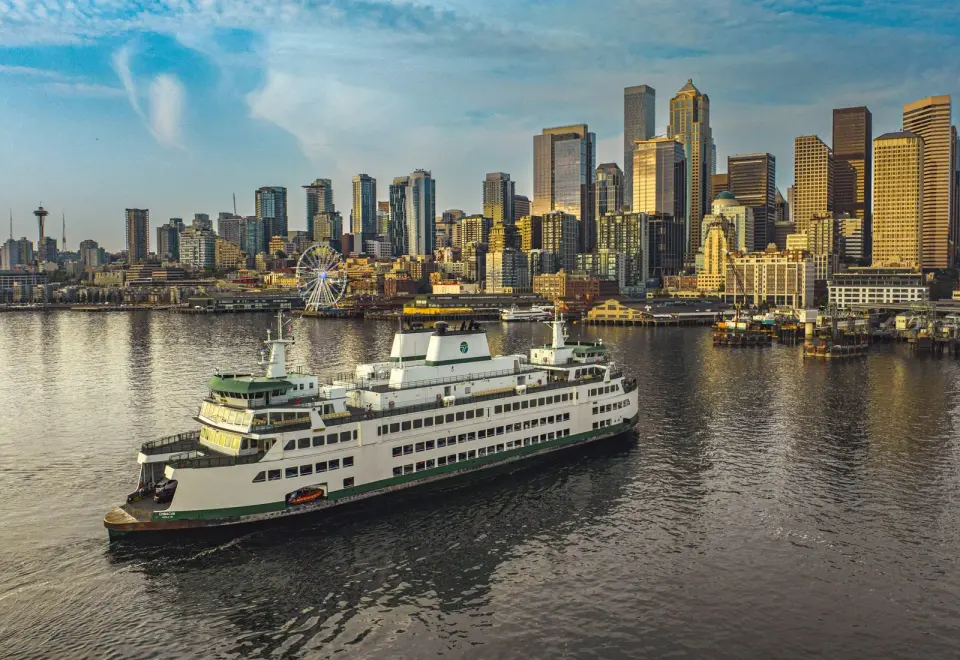
On Monday, October 5, 2026, Washington State Ferries (WSF) suspended 13 of its 18 vessels after 23 engine room employees called in sick and remaining qualified staff refused to cover shifts. The disruption caused massive delays across Puget Sound, with Governor Bob Ferguson demanding full service restoration by Tuesday morning, which was largely achieved. The incident highlights chronic staffing shortages, excessive overtime, and wage disparities between above-deck and below-deck workers, though the union denied coordinating the absence.
Key points
- 23 engine room employees called out sick, and all other qualified staff refused to fill the vacancies, leaving 13 of 18 ferries out of service.
- The disruption caused significant delays, including a two-hour minimum delay on the busiest Mukilteo-Clinton route and total suspensions on other corridors.
- Governor Bob Ferguson met with union representatives and demanded full operational status by Tuesday morning, which was mostly achieved with minor residual delays.
- The Marine Engineers’ Beneficial Association (MEBA) denied authorizing or coordinating the absence, stating it was not a collective bargaining action.
- Chronic issues include excessive overtime (often exceeding 1,500 hours annually), a 20-25% wage gap between above-deck and below-deck workers, and a 2027-2029 contract dispute resulting in a zero percent raise for 2027.
Background
WSF has faced severe staffing shortages since 2020, relying heavily on overtime to maintain operations. In June 2026, MEBA held a press conference highlighting low morale, with over 60% of engine room staff likely to retire or seek other employment. A July 2026 arbitration resulted in a zero percent wage increase for 2027, despite MEBA seeking a 20% raise to close the wage gap with above-deck workers. The current incident follows these long-term tensions and a summer dispute between a captain and a chief engineer.
How outlets are covering it
The Stranger and KUOW emphasize the human impact on commuters and the systemic issues of understaffing and wage disparity, noting that the union denied coordinating the sick-out. FOX 13 Seattle focuses on the immediate logistical disruptions and WSF’s investigation into the callouts, while MyNorthwest.com highlights the timing of a planned Edmonds/Kingston route suspension coinciding with the crisis. WSF maintains that employees are entitled to sick leave but is investigating the widespread refusal to cover shifts, whereas MEBA frames the event as a response to chronic burnout and poor management.
Why it matters
The incident exposes the fragility of WSF’s reliance on a small pool of overworked engineers, where a single absence can ground a vessel. It underscores the risks of unresolved labor disputes and wage disparities in critical public infrastructure, potentially leading to further service disruptions if staffing and compensation issues are not addressed.
What to watch
WSF must resolve long-term staffing shortages, wage disparities, and retention challenges. The 2027-2029 contract includes a wage reopener in 2028, which may revisit pay issues. Continued monitoring of service stability and potential future labor actions will be critical as the state addresses the underlying causes of the crisis.
- Twenty-Three Washington State Ferry Engineers Called in Sick Monday TheStranger.com
- Washington State Ferries to suspend Edmonds/Kingston route MyNorthwest.com
- Commuters scramble to navigate a day without Washington State Ferries KUOW
- Crew sick calls cancel several Washington State Ferry routes FOX 13 Seattle
- Most ferry routes resuming regular service, but some are still canceled The Seattle Times
Want the full story? Read the original reporting
Read on TheStranger.com