
Indonesia Abolishes Rp50 Stock Floor to Combat Liquidity Crisis and MSCI Downgrade Threat
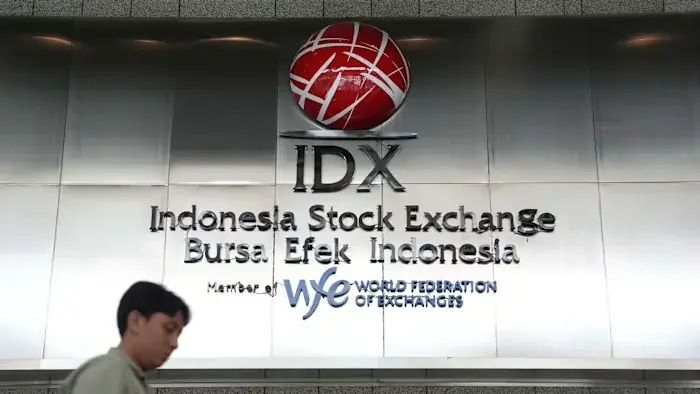
Indonesia’s stock exchange has slashed the minimum share price from Rp50 to Rp1 to revive liquidity in the world’s worst-performing market. The move aims to prevent an MSCI downgrade and restore price discovery, though analysts warn of heightened volatility and potential selling pressure for distressed firms.
Key points
- The Indonesia Stock Exchange (IDX) lowered the minimum trading price from Rp50 to Rp1 effective September 28, 2026.
- The change targets 291 stocks currently priced below one US cent, including ride-hailing giant GoTo, which fell 14% on the first day.
- Regulators aim to improve liquidity and avoid a potential downgrade by MSCI, which has already removed several Indonesian firms from its indices.
- Auto-rejection limits for stocks priced between Rp1 and Rp10 are set at Rp1 per day until December 31, 2026, before becoming symmetric in 2027.
- Analysts caution that low nominal prices do not equate to cheap valuations and warn of increased volatility for retail investors.
Background
Indonesia’s benchmark index has lost over 25% of its value in 2026, driven by concerns over shareholding transparency, price manipulation, and President Prabowo Subianto’s fiscal policies. MSCI issued a downgrade warning in January, leading to the removal of GoTo and other tycoon-linked companies from global indices. The Jakarta Composite Index closed at 6,241.89 on September 25, down 3.09% for the week, amid significant foreign net selling.
How outlets are covering it
The Financial Times frames the move as a critical effort to boost liquidity and prevent an MSCI downgrade, noting that GoTo’s price was previously stuck at the Rp50 floor. BNP Paribas’ Ernest Chew suggests the change allows distressed stocks to trade at levels reflecting fundamentals, though it may increase volatility. Lombard Odier’s Homin Lee believes the likelihood of a frontier market downgrade is low, citing concerted regulatory efforts. In contrast, Allspring Global Investments’ Gary Tan views the liquidity improvement as modest and largely one-off, noting that most affected stocks are distressed with limited appeal to international investors. Indonesian outlets like InvestorTrust and Aktualita.co emphasize the mechanical shift in trading rules, warning that the removal of the Rp50 floor exposes retail investors to severe percentage swings and potential liquidity traps, while stressing that nominal price does not indicate valuation.
Why it matters
The policy shift signals a structural overhaul of Indonesia’s capital markets to address deep liquidity issues and restore investor confidence. It highlights the tension between regulatory intervention to prevent index downgrades and the risks of increased volatility for retail investors. The outcome may influence foreign capital flows and the broader perception of emerging market transparency in Southeast Asia.
What to watch
Investors will monitor whether the new Rp1 floor triggers a wave of selling in previously frozen stocks, particularly GoTo and other tycoon-linked firms. The phased auto-rejection rules will take effect in stages, with symmetric limits introduced on January 1, 2027. MSCI’s final decision on Indonesia’s index status is expected in November, which will be a key indicator of whether the regulatory changes have successfully restored market credibility.
- World’s worst-performing market slashes minimum price for stocks Financial Times
- GoTo Shares Plunge After Stock Exchange Removes Price Floor Bloomberg
- Indonesia Stocks Extend Slide as Oil Climbs, Floor Rule Axed TradingView
- JCI and 'Gocap' Stocks Enter New Era: Rp1 Minimum Price Starts Today Aktualita.co
- Bourse Scraps Rp 50 Price Floor to Revive Frozen Penny Stocks as Analysts Warn of Volatility Traps InvestorTrust
Want the full story? Read the original reporting
Read on Financial Times