
Lapse of Tax Exemption Turns Student Loan Forgiveness into IRS Liability for Millions
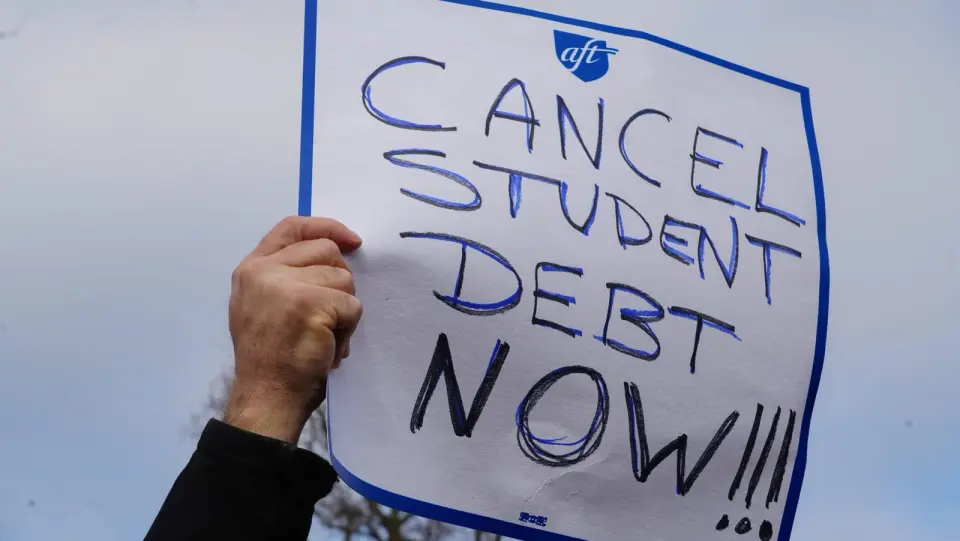
The expiration of a 2021 tax exemption means canceled federal student loans are now taxable income, potentially increasing tax bills by $6,000 to $12,000 for millions of borrowers.
Key points
- Congress’s 2021 provision exempting canceled federal student debt from federal income tax expired at the end of 2025, making such balances taxable starting in 2026.
- A study by the nonprofit Protect Borrowers estimates that up to 3 million middle- and working-class families will face significantly higher tax burdens over the next decade.
- Nearly 13 million Americans, representing almost half of all federal student loan borrowers in repayment, are enrolled in income-driven repayment (IDR) plans that lead to potential debt cancellation.
- IDR forgiveness could result in additional federal tax liabilities ranging from $6,000 to nearly $12,000, depending on income, tax status, and family size.
- Low-income families face the steepest impact; a typical family of four earning $40,000 could see their tax liability grow to more than 11 times its usual amount due to lost credits and additional taxes.
- Experts note that while the tax bill is substantial, it is typically far smaller than the original loan balance, making forgiveness financially advantageous compared to full repayment.
Background
This development follows recent regulatory changes, including the Department of Education’s extension of the autopay interest discount deadline to December 31, 2026, and a class-action lawsuit alleging that forgiven loans are still reported as active debt to credit bureaus. These issues highlight ongoing challenges in the student loan repayment landscape, where borrowers face complex interactions between debt relief, credit reporting, and tax obligations.
Why it matters
The reinstatement of tax liability on forgiven student debt creates a significant financial shock for millions of borrowers, particularly those in lower-income brackets who rely on tax credits. This shift forces individuals to manage a sudden, large tax bill that can offset the benefits of debt cancellation, potentially leading to new forms of debt to the IRS if they cannot pay the lump sum. Understanding this change is crucial for borrowers planning for IDR forgiveness, as it requires proactive financial planning to avoid penalties and interest accrual on unpaid tax liabilities.
What to watch
Borrowers expecting IDR forgiveness in 2026 should consult tax preparers to estimate their liability and begin saving funds. The IRS offers payment plans for those unable to pay the full amount, though interest and penalties may accrue. Policymakers may face pressure to reintroduce tax exemptions for student loan forgiveness, while borrowers must navigate the new tax rules to avoid financial hardship.
- Student loan forgiveness is a ticking tax bomb again, study warns USA Today
- Student Loan Repayment Plan Changes Impact 13 Million Borrowers Forbes
- Louisiana borrowers to face biggest ‘tax bomb’ from student loan forgiveness Louisiana Illuminator
- Student loan IDR forgiveness tax bomb warning 2026 Quartz
- How I’m Talking to Clients About the New Federal Student Loan Rules Investopedia
Want the full story? Read the original reporting
Read on USA Today