
Common Cents Act awaits Trump's signature as focus shifts to nickel cost cuts
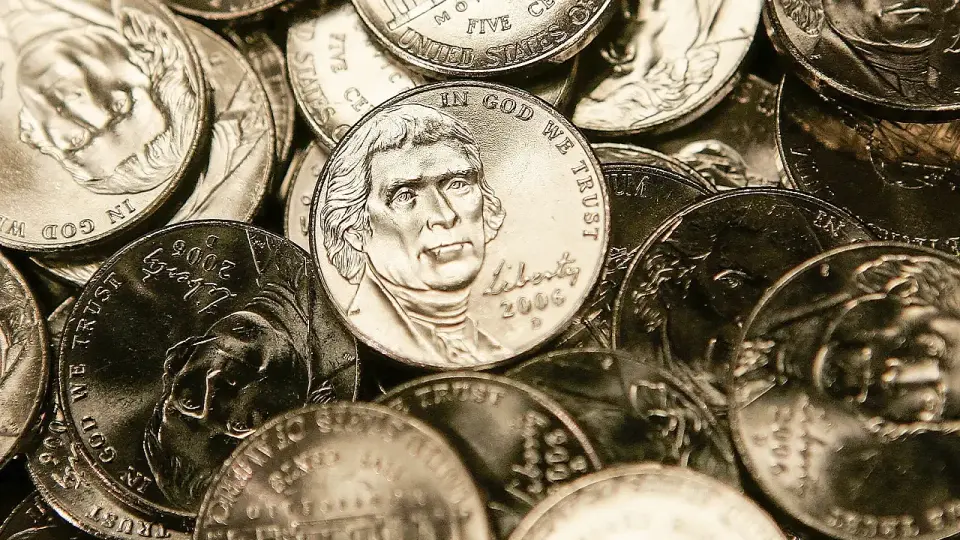
The bipartisan Common Cents Act has cleared both chambers of Congress and now awaits President Donald Trump's signature. The legislation formally ends penny production, mandates cash rounding to the nearest five cents, and directs the Treasury to study cheaper materials for nickels. While the penny ceased circulation in late 2025, the bill aims to secure these changes permanently and address the high cost of producing nickels, which currently costs taxpayers roughly 13 cents per coin.
Key points
- The Common Cents Act passed the House and Senate unanimously but has not yet been signed into law by President Trump.
- The bill formally ends penny production, though existing pennies remain legal tender, and establishes a nationwide framework for rounding cash transactions to the nearest nickel.
- Legislation directs the Treasury to evaluate lower-cost materials for nickels, which currently cost approximately 13.31 cents to produce, a significant loss for taxpayers.
- The bill includes safeguards to prevent future administrations from reversing the decision to stop minting pennies, addressing concerns about policy reversibility.
- Electronic payments are exempt from the new rounding rules, allowing retailers to charge exact amounts via debit or credit cards.
Background
The U.S. Mint ceased producing pennies for circulation in November 2025, citing production costs that exceeded three times the coin's face value. This move followed years of debate over the penny's economic viability. The Common Cents Act builds on this administrative decision by codifying the end of production into law and introducing a rounding system for cash transactions. Previous legislative efforts had stalled, but the current bipartisan measure includes provisions to protect businesses from liability when following the new rounding rules and to assess impacts on low-income groups.
How outlets are covering it
Fox News emphasizes the fiscal responsibility aspect, quoting lawmakers who argue that producing a five-cent coin at a 13-cent cost is wasteful. They highlight the need for permanent legislative action to prevent future reversals. U.S. News Money provides a historical and consumer perspective, noting that while the penny is gone, the nickel's future is less certain due to its higher value and the potential for inflation to erode its purchasing power over time. They suggest the nickel may remain for decades. Forvis Mazars focuses on the technical and legal implications, detailing the specific rounding rules for cash transactions and the exemption for electronic payments, ensuring businesses are protected from local or state regulations that might conflict with the federal act.
Why it matters
The passage of the Common Cents Act marks a significant shift in U.S. monetary policy, moving away from the one-cent unit for cash transactions. This change aims to save taxpayers approximately $56 million annually by eliminating penny production and potentially reducing costs for nickels. It also impacts daily commerce by introducing a rounding system for cash, which could affect consumer transactions and business accounting. The bill's permanence clause ensures that these changes are not easily reversed by future administrations, providing stability to the new monetary framework.
What to watch
The primary next step is President Trump's signature on the Common Cents Act, which would make the end of penny production permanent and enforce the cash rounding rules. The Treasury Department is expected to begin studying alternative materials for nickels to reduce production costs. Additionally, the implementation of the rounding rules will require coordination with retailers and financial institutions to ensure compliance and prevent legal disputes over transaction amounts.
- Congress killed the penny — now it's coming for the 13-cent nickel Fox News
- Opinion | Congress just changed how you pay in cash MS NOW
- What to Know About the Penny’s Final Days | Family Finance U.S. News Money
- From the Hill: October 6, 2026 Forvis Mazars US
- 'Common Cents Act' could change how cash purchases are rounded WBIR
Want the full story? Read the original reporting
Read on Fox News