
Common Cents Act Reaches Trump’s Desk After Bipartisan Passage
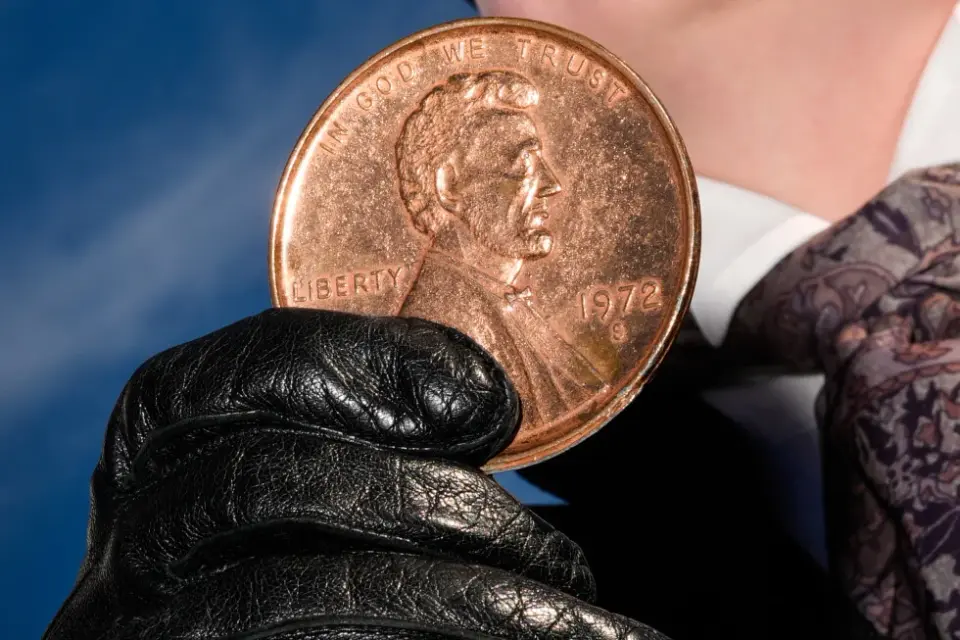
The U.S. Senate passed the Common Cents Act by unanimous consent on September 29, sending the bill to President Donald Trump for signature. The legislation formally ends penny production, mandates cash rounding to the nearest nickel, and authorizes cheaper zinc in nickel manufacturing. The House had approved the measure on September 14, with projected annual savings of $56 million.
Key points
- The Senate approved the Common Cents Act (H.R. 10167) on September 29, 2026, via unanimous consent.
- The bill directs the Treasury Department to cease minting pennies, a process that effectively halted in November 2025.
- Legislation requires cash transactions to round to the nearest five cents when exact change is unavailable, while electronic payments remain exact.
- The measure allows the use of zinc in the inner layer of nickels to reduce production costs as pennies are phased out.
- The House passed the bill with bipartisan support on September 14, 2026.
- The bill projects approximately $56 million in annual savings for the federal government.
Background
The penny phaseout has been a subject of congressional debate for years, with production costs exceeding the coin's face value. Earlier in 2026, the Senate approved the bill, and the House followed suit in September. The legislation builds on previous efforts to address the economic inefficiency of minting pennies, which cost nearly 4 cents to produce. The move also follows a period where the Trump administration had already stopped minting pennies in late 2025, citing cost concerns.
How outlets are covering it
AP News highlights the bipartisan support for the bill and the projected savings, emphasizing the legislative process. Bloomberg Law News focuses on the immediate next step, noting that the bill now heads to President Trump for signature, and mentions the Trump administration's prior decision to stop minting pennies. Texas Border Business, a regional outlet, frames the story in terms of business adjustments, noting that businesses are already adapting to the penny phaseout. All three sources agree on the core facts of the bill's passage and its provisions, but they emphasize different aspects: AP on the legislative process, Bloomberg on the presidential signature, and Texas Border Business on the practical impact on businesses.
Why it matters
The Common Cents Act represents a significant shift in U.S. currency policy, moving away from the penny and toward a nickel-based rounding system. This change could have practical implications for cash transactions, potentially saving the government money and reducing the burden on retailers who struggle with exact change. The bill also reflects a broader trend of cost-cutting in federal operations, as the government seeks to reduce the expenses associated with minting low-value coins.
What to watch
The bill now awaits President Trump's signature. If signed, it will become law, formally ending penny production and implementing the cash rounding rules. The Treasury Department will also begin assessing the impacts of the phaseout on low-income and other affected groups, as mandated by the bill. The next step will be to monitor how businesses and consumers adapt to the new rounding rules and whether the projected savings are realized.
- Congress votes to end production of the penny after 234 years, sending a bill to Trump AP News
- Common Cents Act would impact pennies, nickels and cash transactions. It may soon become law The Hill
- Penny Rounding Bill Heads to Trump as Retailers See Shortages Bloomberg Law News
- Congress Sends Common Cents Act to Trump as Businesses Adjust to Penny Phaseout Texas Border Business
- Senate sends penny bill supported by banks to Trump's desk American Banker
Want the full story? Read the original reporting
Read on AP News