
Eric Cantor to Lead PhRMA as Pharma Faces Pricing and AI Scrutiny
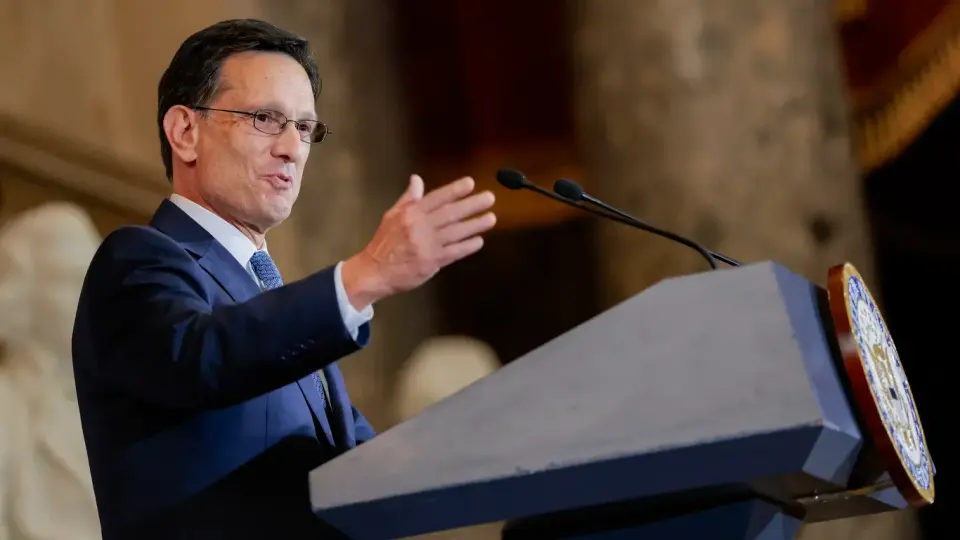
Former House Majority Leader Eric Cantor has been appointed president and CEO of the Pharmaceutical Research and Manufacturers of America (PhRMA), effective November 9. He will succeed Steve Ubl, who is stepping down after 11 years. Cantor, a former Virginia Republican and current Moelis & Company executive, will lead the industry’s top lobbying group amid intense scrutiny over drug pricing, AI integration, and regulatory changes.
Key points
- Cantor takes over from Steve Ubl, who will remain as a strategic adviser until mid-January 2027.
- The role carries a high salary; Ubl earned $7.6 million in 2024, placing the position at the top of the Washington lobbying pay scale.
- PhRMA’s lobbying spending reached a record $38 million last year, up 22% from 2024, driven by member companies like Eli Lilly and Johnson & Johnson.
- Cantor’s legislative history includes backing the 21st Century Cures Act and Medicare Part D, which expanded drug coverage and NIH funding.
- The appointment occurs as the industry navigates Trump administration pricing deals, FDA regulatory shifts, and potential Democratic control of the House after November midterms.
Background
PhRMA is one of the most powerful lobbying groups in Washington, representing branded drugmakers. Steve Ubl, who led the group since 2015, oversaw efforts to protect intellectual property and regulatory frameworks during the Biden administration’s Inflation Reduction Act. Cantor previously served as House Majority Leader from 2011 to 2014 before losing a primary election to tea party candidate Dave Brat. He has since worked in investment banking and frequently appears on financial media.
How outlets are covering it
Axios and U.S. News & World Report emphasize Cantor’s bipartisan legislative record and his ability to navigate policy at the highest levels, highlighting his role in passing the 21st Century Cures Act. Politico focuses on the political risk of hiring a prominent Republican as Democrats may regain House control, noting that pharma’s relationship with Republicans has shifted under the Trump administration. Fierce Pharma highlights the industry’s turbulent environment, including FDA changes under HHS Secretary Robert F. Kennedy Jr. and the need to leverage AI for drug discovery. All sources agree that Cantor’s business and political experience is a key asset, but they differ on the political implications of his partisan background.
Why it matters
Cantor’s appointment signals a strategic shift for PhRMA as it faces mounting pressure to lower drug prices and adapt to new regulatory and technological landscapes. His leadership will be critical in shaping the industry’s response to bipartisan scrutiny, AI integration, and potential changes in congressional power dynamics following the November midterms.
What to watch
Cantor will assume his role on November 9, with Ubl assisting in the transition until mid-January. The industry will closely watch how PhRMA navigates Trump administration pricing deals, FDA regulatory changes, and potential Democratic-led investigations into drug pricing practices.
- Eric Cantor, former House leader, named PhRMA president and CEO Axios
- Pharma's new top lobbyist is former Majority Leader Eric Cantor Politico
- US Drug Lobby Group PhRMA Names Former House Leader Cantor as CEO U.S. News & World Report
- Exclusive: PhRMA picks Eric Cantor as next chief Endpoints News
- PhRMA locks in former House majority leader Cantor as next CEO Fierce Pharma
Want the full story? Read the original reporting
Read on Axios