
Trump’s July Disclosure Reveals 1,156 Trades in Tech, Defense, and Oil
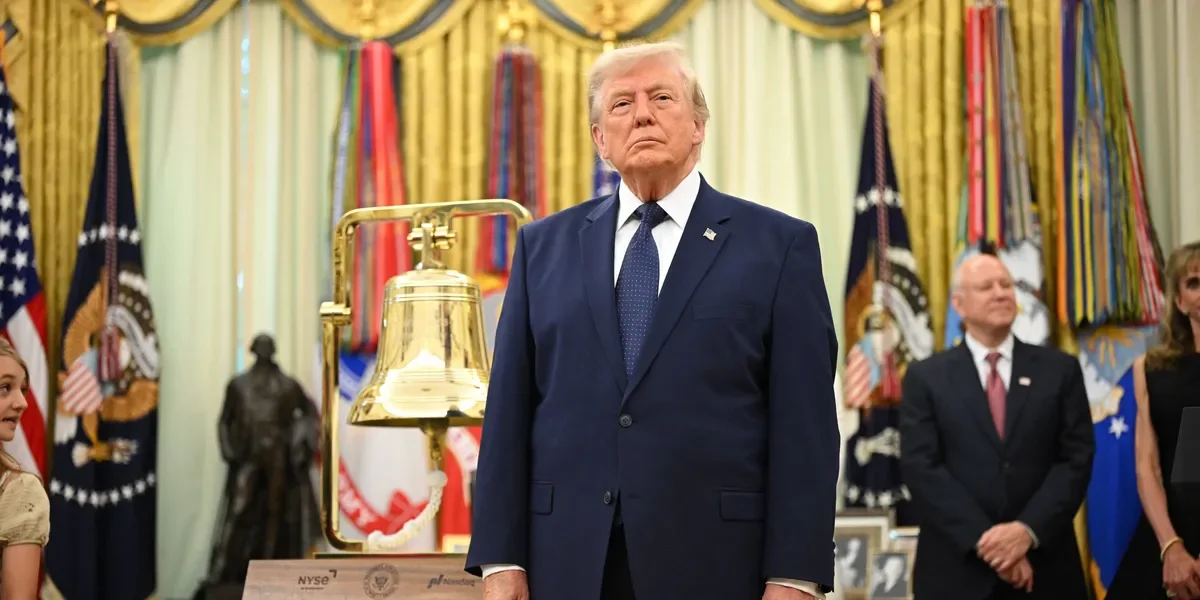
President Donald Trump disclosed 1,156 securities transactions in July, totaling between $79 million and $270 million. The trades involved major technology, defense, and oil companies, with the largest sales being Microsoft and Amazon shares. Critics argue the volume and timing of these trades raise conflict-of-interest concerns, while the White House maintains the portfolio is managed by independent third parties.
Key points
- Trump’s July financial disclosure lists 1,156 transactions, including purchases of at least $43.6 million and sales of at least $35.6 million.
- The largest transactions were sales of Microsoft and Amazon stock, each valued between $5 million and $25 million, on July 20.
- Trades included stocks in defense contractors like Northrop Grumman and Lockheed Martin, as well as oil giants Chevron and ExxonMobil.
- Some trades were disclosed more than 45 days after they occurred, potentially violating the Stop Trading on Congressional Knowledge Act.
- The White House stated that Trump’s portfolio is managed by independent financial institutions using automated model portfolios, with no input from the president or his family.
Background
This disclosure follows a pattern of heavy trading by Trump since his return to office in 2025. Bloomberg reported that Trump made nearly 28,700 transactions between January 2025 and June 2026, exceeding the combined total of all members of Congress. Earlier this year, annual financial disclosures showed Trump earned at least $2.2 billion, with a significant portion from cryptocurrency ventures. The current disclosure adds to ongoing debates about the ethics of presidential stock trading and the effectiveness of existing disclosure laws.
How outlets are covering it
CNBC and The Guardian focused on the sheer volume and value of the trades, highlighting the significant sales of Microsoft and Amazon. Common Dreams emphasized the potential conflicts of interest, linking trades in defense and oil companies to Trump’s executive orders and the ongoing war with Iran. The Washington Sun pointed out that some trades were disclosed late, violating federal law. The White House, through spokesperson Davis Ingle, dismissed these concerns, asserting that the portfolio is managed by independent third parties and that there are no conflicts of interest. Critics, including Senator Elizabeth Warren, argued that the president should not be allowed to trade individual stocks at all.
Why it matters
The disclosure raises questions about the transparency and ethics of presidential financial activities. The volume of trades and the involvement of companies with federal contracts or policy ties suggest potential conflicts of interest. The late disclosure of some trades may violate federal law, further complicating the issue. This situation highlights the ongoing debate over the need for stricter regulations on stock trading for public officials.
What to watch
The Senate has not yet acted on the Stop Insider Trading Act, which would ban stock trading for lawmakers but not the president or vice president. Critics are likely to continue pushing for broader legislation to address conflicts of interest. The White House may face further scrutiny from Congress and watchdog groups over the timing and nature of the trades. Future disclosures will be closely monitored for any additional violations or conflicts.
- 'It Should Be Illegal': Trump's 1,156 July Stock Trades Involved AI, Big Oil, Weapons-Makers, and More Common Dreams
- Trump discloses more than 1,100 July trades, including up to $25 million each in sales of Microsoft, Amazon CNBC
- Trump sells tens of millions in AI, tech shares, led by Microsoft South China Morning Post
- President Trump’s money managers made more than 1,100 trades in July CNN
- Trump made over 1,000 July stock trades worth up to $270m, filings reveal The Guardian
Want the full story? Read the original reporting
Read on Common Dreams