
OpenAI Engineer Arrested for Hiding Audio Recorder in Executive Conference Room
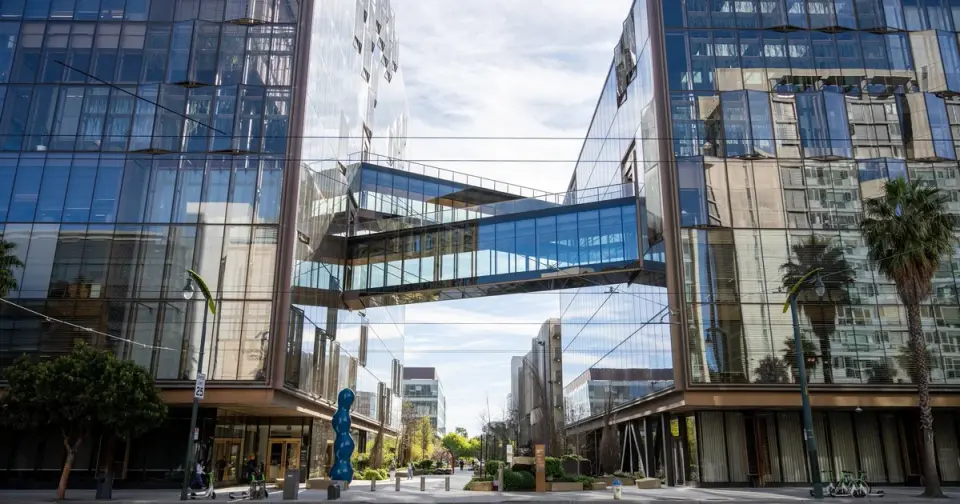
Abdulrahman Alfozan, a 35-year-old Saudi national and OpenAI engineer, was arrested on suspicion of placing a hidden audio recording device in an executive conference room at the company’s San Francisco headquarters. Federal prosecutors allege he used a productivity tool to map out meeting schedules and locations, then installed a sophisticated, encrypted recorder behind a television. OpenAI discovered the device on September 30, leading to Alfozan’s termination and arrest on October 9. The case is being treated as a national security matter, with prosecutors noting that the room hosted confidential discussions on proprietary research and government engagements. Alfozan faces up to five years in prison if convicted.
Key points
- Abdulrahman Alfozan, an OpenAI engineer since July 2025, was arrested on October 9 and charged with intercepting oral communications.
- A recording device was found plugged into a USB port behind a television in an executive conference room, concealed within toilet paper.
- The device contained encrypted data and was designed to evade detection, with capabilities for continuous audio monitoring and remote data transfer.
- Prosecutors allege Alfozan used a productivity tool to query OpenAI’s building layouts, meeting calendars, and leadership locations before installing the device.
- A chatbot account linked to Alfozan’s spouse submitted prompts about building and encrypting recording devices between September 24 and 30.
- OpenAI stated it has no evidence that Alfozan accessed model weights, source code, or customer data, but confirmed he intended to place additional devices in sensitive areas.
Background
This incident follows a series of high-profile security breaches and espionage cases involving technology firms and government agencies in 2026. In August, Apple accused an ex-engineer of stealing secrets from OpenAI, while in September, executives of Oxygen Forensics were arrested for concealing Russian ownership from U.S. agencies. Additionally, a Department of Energy engineer was arrested in October for alleged support of the Houthis. These cases highlight a growing trend of counterintelligence concerns within the tech sector and government infrastructure.
Why it matters
The arrest underscores the escalating risks of insider threats in the artificial intelligence industry, where proprietary research and strategic information are critical assets. The use of AI tools to plan and execute the surveillance attempt demonstrates a sophisticated level of threat that challenges traditional security measures. As AI companies become central to national security and economic competitiveness, the potential for espionage and data theft increases, prompting heightened scrutiny from federal agencies like the FBI and the Department of Justice.
What to watch
A detention hearing for Abdulrahman Alfozan is scheduled for October 19 before U.S. Magistrate Judge Alex G. Tse. OpenAI and the FBI are expected to continue their investigation to determine if additional recording devices were installed or if other sensitive data was compromised. The case may also lead to increased security protocols and AI-driven surveillance countermeasures within tech companies to prevent similar breaches.
Want the full story? Read the original reporting
Read on The San Francisco Standard