
Alfozan's Flight Plans and Saudi Ties Deepen OpenAI Espionage Case
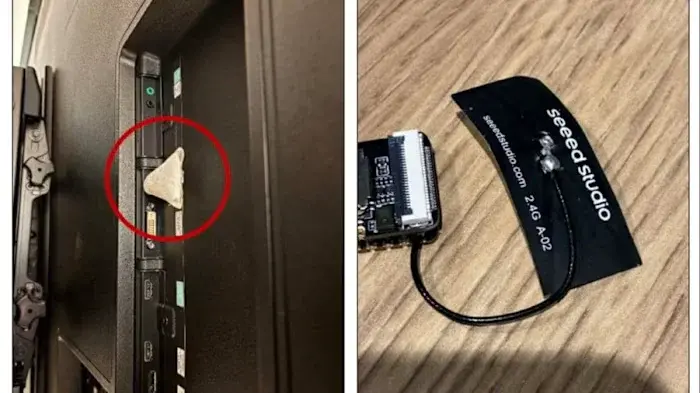
Abdulrahman Alfozan, a Saudi national and OpenAI engineer, faces federal charges for planting a hidden recording device in an executive conference room. Newly unsealed court documents reveal he booked a one-way ticket to Saudi Arabia for October 12, three days after his October 9 arrest. While OpenAI confirms no core data was stolen, the case highlights growing concerns about state-sponsored industrial espionage in the AI sector.
Key points
- Alfozan was arrested by the FBI on October 9 after a recording device was found in an OpenAI conference room.
- Court filings show Alfozan, his wife, and a family member booked one-way flights to Saudi Arabia for October 12.
- The device, a cheap Chinese-made unit, was concealed in toilet paper behind a television.
- Alfozan is a venture partner at Raed Ventures, a Saudi firm linked to the royal family.
- OpenAI states there is no evidence that model weights, source code, or customer data were exfiltrated.
Background
This incident follows a broader pattern of security concerns in the AI industry. In early October 2026, OpenAI also accused a former employee of leaking device secrets to Apple, highlighting the intense competition and potential for trade secret theft among major tech firms. The current case adds to a narrative of foreign nations seeking to gain an edge in the global AI race through industrial espionage.
How outlets are covering it
The Financial Times emphasizes the flight tickets as evidence of flight risk, while CNBC highlights Alfozan's ties to Raed Ventures, a Saudi venture capital firm described by a former CIA official as a 'state organ.' Fox News focuses on the FBI's counterintelligence priorities, whereas the Yahoo source provides limited additional detail. All outlets agree on the core facts of the arrest and the device, but differ in their emphasis on the geopolitical implications and the nature of Alfozan's Saudi connections.
Why it matters
The case underscores the vulnerability of leading AI companies to sophisticated espionage, even from close allies like Saudi Arabia. It raises questions about the security of sensitive technical information and the potential for foreign state actors to leverage private sector connections to access proprietary technology. The incident may lead to stricter security protocols and increased scrutiny of foreign nationals in the AI industry.
What to watch
Alfozan is scheduled for a detention hearing on October 19, where his lawyer may argue for release on bond. If convicted, he faces up to five years in prison and a $250,000 fine. OpenAI and the FBI will likely continue to investigate the extent of the espionage and any potential data breaches, while the case may set a precedent for prosecuting industrial espionage in the AI sector.
- OpenAI employee accused of bugging office booked one-way ticket to Saudi Arabia Financial Times
- OpenAI bugging suspect booked one-way ticket to Saudi Arabia with family before arrest CNBC
- F.B.I. Arrests OpenAI Employee Accused of Planting Bug in Office The New York Times
- OpenAI engineer arrested after recording device found at San Francisco office Fox News
- Alleged OpenAI security breach "underscores how big the challenge is" to foil espionage: tech editor Yahoo
Want the full story? Read the original reporting
Read on Financial Times