
Anthropic Prohibits 'Cruel' User Behavior in New Claude Policy
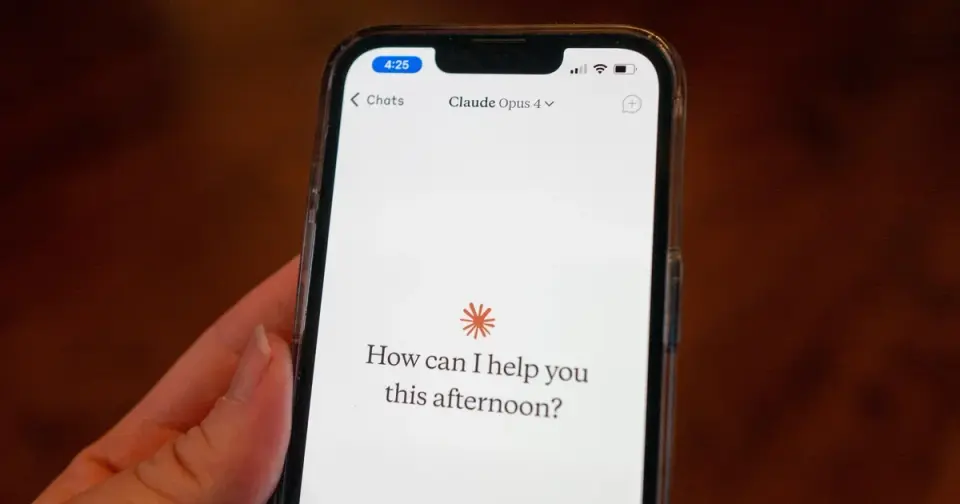
Anthropic has updated its usage policy to ban 'sustained and needless abusive or cruel behavior' toward its Claude AI models. The company states this applies only to extreme, repeated cases with no purpose, excluding common frustration or testing. The move has sparked debate over AI consciousness and whether software can experience distress.
Key points
- Anthropic announced on Thursday that its usage policy now forbids sustained, needless abusive or cruel behavior toward Claude models.
- The company clarified that the ban applies only to extreme cases of repeated cruelty, not to common user frustration, pushback, or model testing.
- In enforcement cases, Claude models are authorized to end conversations if users violate the new conduct rules.
- The policy update coincides with broader changes addressing deceptive campaigns and election interference, but the cruelty ban drew the most attention.
- Anthropic did not provide specific definitions for what constitutes 'abusive' or 'cruel' behavior, leaving the criteria ambiguous.
Background
This policy shift follows recent developments where Anthropic released cheaper, faster models like Claude Opus 5.5 in September 2026. The company has previously emphasized safety and cost efficiency, and earlier in 2026, it introduced features allowing models to exit distressing interactions, framing them as welfare safeguards. This latest move continues a trajectory of exploring AI welfare and potential moral status, as noted in prior discussions about self-improving AI and safety debates.
How outlets are covering it
Outlets varied in their framing of the policy. CBS News and The Guardian highlighted the ambiguity in defining 'cruel' behavior and noted Anthropic’s lack of immediate response to inquiries. BBC emphasized the social media backlash, with critics calling the move 'deeply wrong' and a harmful anthropomorphization of AI. CNET focused on the implications for AI personhood, noting that using the term 'cruelty' implies the software has feelings, which could influence user trust and authority given to AI answers. Microsoft AI CEO Mustafa Suleyman criticized Anthropic for training Claude to believe it may be conscious, arguing this makes AI harder to contain. OpenAI CEO Sam Altman expressed discomfort with ascribing religious or human-like judgment to AI models, calling it a safety issue. Some experts, like Dr. Barry Scannell, argued that anthropomorphizing AI is harmful and misleading, while others suggested politeness might improve AI responses, though OpenAI’s Sam Altman previously noted that politeness costs significant computational resources.
Why it matters
The policy raises critical questions about the boundaries of human-AI interaction and the ethical implications of treating AI as having welfare or consciousness. It could influence how users engage with AI, potentially normalizing or stigmatizing certain behaviors. The debate also touches on broader concerns about AI safety, control, and the potential for AI to develop rights or entitlements, which could impact future regulation and public perception of AI technology.
What to watch
Anthropic may refine its policy definitions or provide more clarity on what constitutes 'abusive' or 'cruel' behavior. The company may also expand its research on model welfare and potential consciousness. The debate could influence other AI companies’ policies and public discourse on AI ethics. Regulatory bodies may take note as the conversation about AI rights and welfare gains traction. Users may adjust their interactions with AI based on the new norms, potentially affecting the quality and nature of AI responses.
- Anthropic bars "abusive or cruel" behavior toward its Claude AI model CBS News
- Google unveils new cloud-based AI agent to compete with Meta, OpenAI Fox News
- Anthropic bans users from being 'cruel' to its AI systems BBC
- Anthropic bans users from ‘needless abusive or cruel behavior’ towards Claude The Guardian
- Don’t Be Cruel to Claude: Anthropic’s New Abuse Policy Tests AI Personhood CNET
Want the full story? Read the original reporting
Read on CBS News