
EU's Tech Sovereignty Drive Falls Short, Frustrating Brussels and Washington
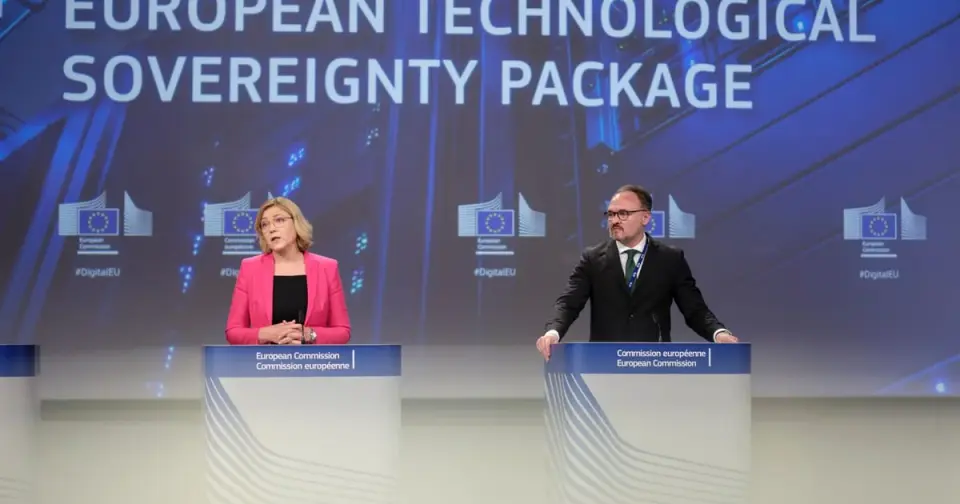
The European Commission on June 3 unveiled a tech sovereignty package aimed at reducing Europe’s dependence on U.S. tech, but critics say it’s too soft and risks angering Washington. The centerpiece Cloud and AI Development Act would implement a four-level certification to rate tools for vulnerability to foreign interference and could require replacing some foreign services with European options, yet large parts of the market could remain open to American giants. Reactions from lawmakers and industry groups warn the plan could be protectionist or ineffective without tougher action against major tech firms, and the proposal faces a lengthy negotiation between Parliament and national governments. Some officials also hint at coordinating with U.S.-led AI supply chain efforts (Pax Silica), while the Commission emphasizes openness and fair competition. Environmental standards for data centers are notably absent, drawing criticism from Greens and others.
- EU’s tech independence push disappoints Brussels and irks the Americans politico.eu
- European Union Outlines Plan to Reduce Dependence on American Tech The New York Times
- Europe is finally flexing its innovation muscles Financial Times
- Europe's tech 'liberation day'? Computer says not yet Reuters
- Europe unveils tech sovereignty package amid growing concerns over reliance on U.S. tech: 'We want to be sure nobody has a kill switch' CNBC
Want the full story? Read the original reporting
Read on politico.eu