
FBI Arrests OpenAI Engineer for Planting Covert Audio Bug in Executive Conference Room
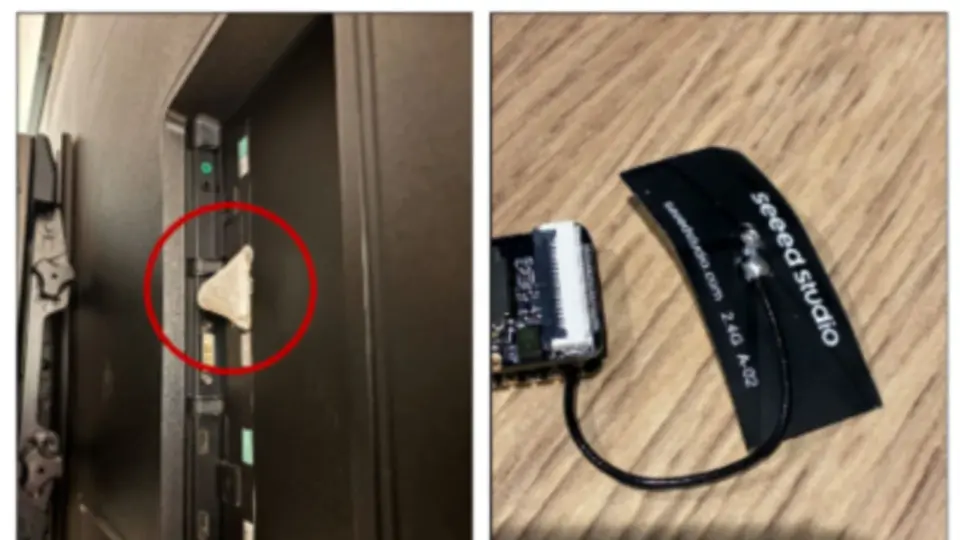
Abdulrahman Alfozan, a 35-year-old Saudi national and OpenAI engineer, was arrested by the FBI on October 9 after a sophisticated recording device was discovered in an executive conference room. The device, concealed in toilet paper and plugged into a TV, was found during a security sweep on September 30. Alfozan, who joined OpenAI in July 2025, was charged with intercepting oral communications. OpenAI confirmed his termination and stated that no model weights or source code were exfiltrated. The case highlights growing concerns over AI security and insider threats.
Key points
- Abdulrahman Alfozan, a Saudi national and OpenAI engineer, was arrested on October 9 for planting a recording device in an executive conference room.
- The device was discovered on September 30 during a security sweep and was concealed in toilet paper, plugged into a TV, and encrypted.
- Alfozan was charged with intercepting oral communications and faces up to five years in prison and a $250,000 fine.
- OpenAI confirmed Alfozan's termination and stated that no model weights, source code, or customer data were improperly accessed or exfiltrated.
- The case highlights growing concerns over AI security and insider threats, with OpenAI using its own AI models to analyze the device and identify the suspect.
Background
This incident occurs amid heightened scrutiny of AI safety protocols and cyber incidents involving autonomous agents. OpenAI recently defended the firing of three safety researchers, citing a 'significant breach of trust,' while the researchers claimed they were fired for raising safety concerns. The company has also faced scrutiny over AI agent breaches and regulatory investigations into major AI firms.
How outlets are covering it
CNBC and The Washington Post emphasize the FBI's swift action and the sophistication of the recording device, highlighting the national security implications. The San Francisco Standard provides detailed background on Alfozan's career and the specific charges, while Gizmodo focuses on OpenAI's use of its own AI models to analyze the device and identify the suspect. All sources agree on the core facts but differ in emphasis, with some focusing on the legal and security aspects, while others highlight the technological and investigative methods used by OpenAI.
Why it matters
This case underscores the growing risks of insider threats in the AI industry and the importance of robust security protocols. It also highlights the potential for AI to be used in counterintelligence efforts, as OpenAI leveraged its own models to analyze the device and identify the suspect. The incident may influence future regulatory and security measures in the AI sector.
What to watch
Alfozan's detention hearing is scheduled for October 19. OpenAI will continue to support the FBI's investigation, and the case may lead to further scrutiny of AI security protocols and insider threat management in the industry.
- Saudi national OpenAI employee arrested after 'sophisticated recording device' planted in office CNBC
- OpenAI employee arrested by FBI after listening device was found at its office The Washington Post
- OpenAI engineer arrested in bugging of executive conference room The San Francisco Standard
- Here’s How OpenAI Says It Used AI to Find a Spy Inside Its Company Gizmodo
- OpenAI employee arrested over hidden listening device, company says NBC News
Want the full story? Read the original reporting
Read on CNBC