
OpenAI engineer faces espionage charges after hidden camera found in executive room
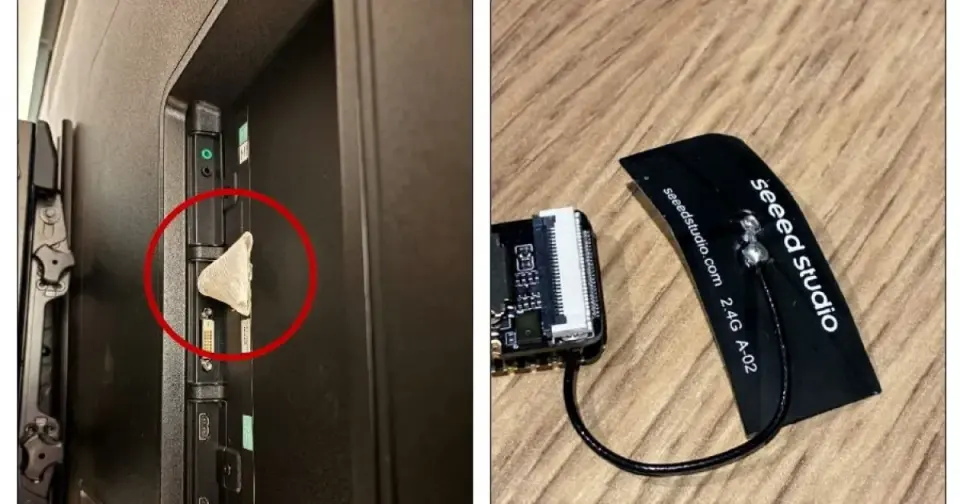
Abdulrahman Alfozan, a former OpenAI engineer and Saudi national, was arrested by the FBI on October 9 after prosecutors alleged he planted a covert recording device in an executive conference room at the company’s San Francisco headquarters. The device, a Seeed Studio board concealed in toilet paper, was discovered during a security sweep on September 30. Alfozan, who had been terminated by OpenAI, faces charges for intercepting oral communications, carrying a maximum penalty of five years in prison and a $250,000 fine. Prosecutors revealed he had booked a one-way flight to Saudi Arabia via Istanbul for October 12, citing flight risk as a reason to seal the initial complaint. While OpenAI states no proprietary data was stolen, the case has intensified concerns about industrial espionage in the AI sector, with similar security warnings reported at Google and Anthropic.
Key points
- Alfozan, 35, is charged with using an electronic device to intercept oral communications, a federal offense punishable by up to five years in prison.
- The recording device, which included a microphone and camera, was hidden behind a TV in a conference room reserved for executives and government briefings.
- Prosecutors alleged Alfozan used AI productivity tools to research meeting schedules and building layouts before the incident.
- OpenAI confirmed no evidence suggests Alfozan accessed model weights, source code, or customer data, though he was terminated from the company.
- Alfozan’s lawyer, William Pernik, argues the allegations are out of character and emphasizes his client’s status as a long-term US resident and immigrant.
Background
This incident follows a broader trend of security concerns in the AI industry, where rapid hiring and high valuations have increased the risk of insider threats. In January 2026, a former Google engineer was convicted of stealing AI trade secrets for China, and in 2022, a former Twitter employee was jailed for spying for Saudi Arabia. The current case echoes earlier debates over the FBI’s handling of Saudi nationals, such as Omar al-Bayoumi, though Alfozan’s case is strictly a criminal matter regarding unauthorized surveillance rather than terrorism or state-sponsored espionage as alleged in historical contexts.
How outlets are covering it
Al Jazeera and CNBC focus on Alfozan’s ties to Saudi Arabia, highlighting his role as a venture partner at Raed Ventures, a firm linked to the Saudi royal family, and his planned flight to Riyadh. The Times of India emphasizes the industry-wide implications, noting that Google and Anthropic have issued similar security warnings to employees about 'honey traps' and spies. The Washington Post frames the arrest as part of a larger debate on Silicon Valley’s reliance on foreign talent and the potential national security risks associated with it. While all outlets agree on the basic facts of the arrest and the device, they differ in emphasis: some view it as a potential state-sponsored espionage attempt, while others, including Alfozan’s defense, view it as a case of an individual violating a recording statute without evidence of trade secret theft.
Why it matters
The case underscores the growing vulnerability of AI companies to insider threats and industrial espionage, as the value of proprietary AI models and data continues to rise. It highlights the tension between the global nature of the tech workforce and national security concerns, potentially leading to stricter vetting and security protocols in the AI sector. The incident also raises questions about the use of AI tools for surveillance and the effectiveness of current security measures in preventing such breaches.
What to watch
Alfozan is scheduled for a detention hearing on October 19, where his lawyer may argue for his release on bond. The case will proceed through the US District Court in San Francisco, with the defense planning to contest the criminal allegations. OpenAI and other AI companies may review and enhance their security protocols in response to the incident, while the broader tech industry may face increased scrutiny regarding insider threats and foreign espionage.
- OpenAI bugging suspect allegedly booked one-way trip to Saudi Arabia Al Jazeera
- The Engineer Accused of Bugging OpenAI’s Top-Secret Conference Room WSJ
- How OpenAI's office spy case 'proves' that spying is not Sam Altman's problem alone and why Google, Anthropic and other AI companies too should be worried The Times of India
- An FBI arrest revives fears that U.S. tech companies are hiring spies The Washington Post
- OpenAI bugging suspect booked one-way ticket to Saudi Arabia with family before arrest CNBC
Want the full story? Read the original reporting
Read on Al Jazeera