
Robotics Bring Narrow Gains, Not a Quick Fix to U.S. Housing Shortage
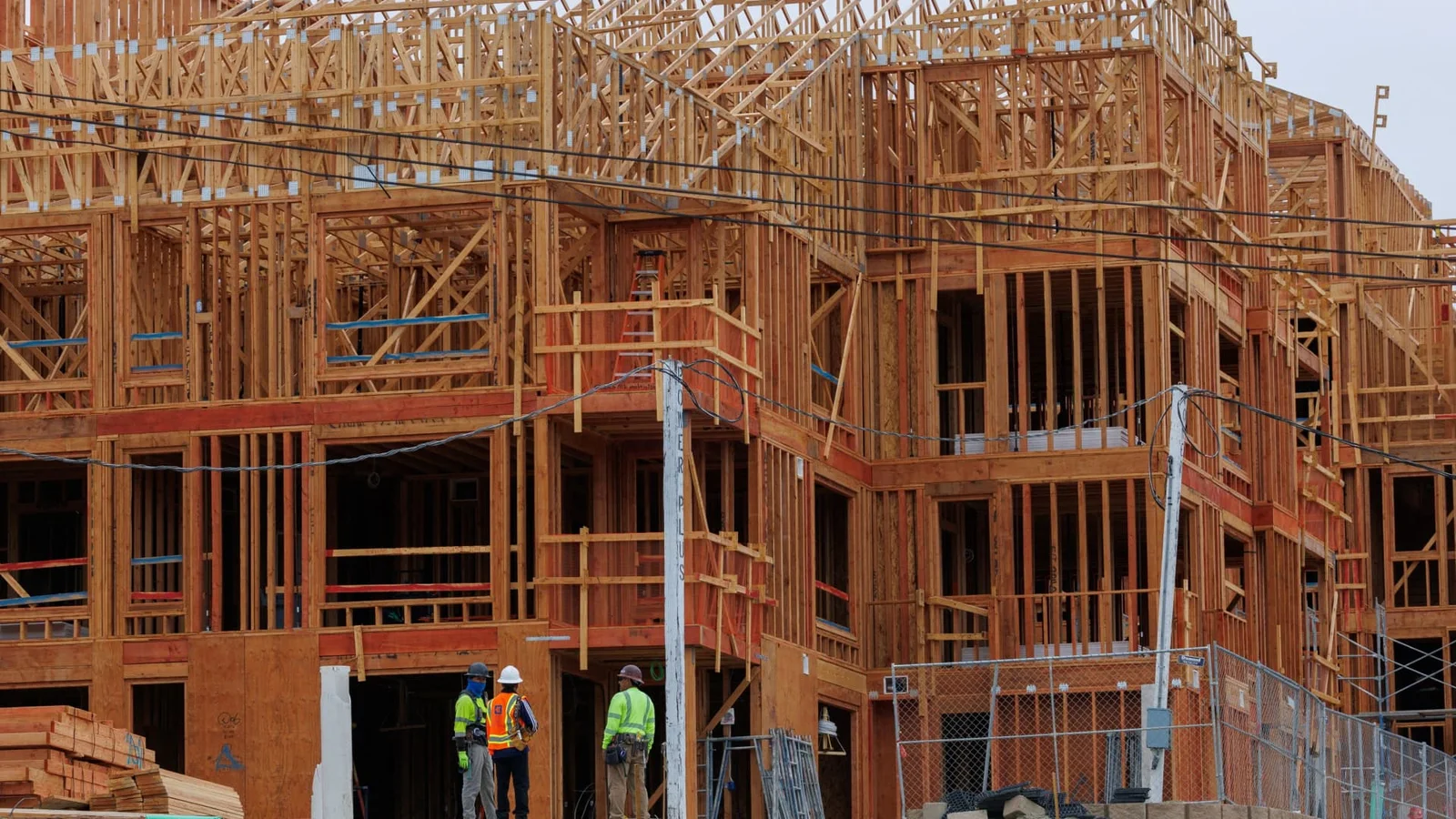
Robotics can help the U.S. address its housing shortage, but gains so far are limited to specific, repetitive tasks and better coordination, not a wholesale labor replacement. With about 1.2 million homes lacking and roughly 300,000 construction jobs open, the industry needs about 740,000 workers annually. Robots excel in standardized, high-volume tasks—layout, drilling, material handling—and in off-site fabrication, as seen with Dusty Robotics’ FieldPrinter and prefab systems that cut rework and shell construction time. However, site variability, design changes, and cross-trade coordination limit scalability; the biggest near-term gains are expected from factory automation and prefabrication, as demonstrated by Japan’s model, while human workers remain essential on site for the foreseeable future.
- Construction robots are tackling America's housing shortage, but we're a long way from humanoid homebuilders CNBC
- One brick at a time: How Monumental uses robotics to build walls The Robot Report
- Robotics speeds up certain stages of housing construction in the US but does not replace workers UA.NEWS
- What bricklaying has taught Monumental about robots in construction The Robot Report
Reading Insights
0
8
7 min
vs 8 min read
93%
1,503 → 111 words
Want the full story? Read the original article
Read on CNBC