
EU threatens higher tariffs on Chinese hybrids after import surge
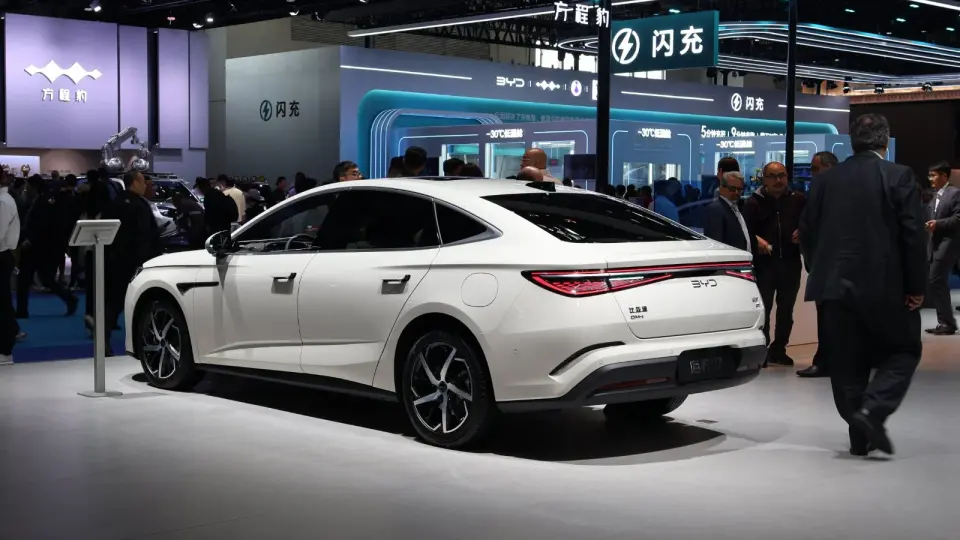
The European Union is demanding China voluntarily limit hybrid vehicle exports to prevent a potential tariff hike. Imports of Chinese hybrids to the EU surged from 3,800 in late 2024 to 50,000 in mid-2026, outpacing battery electric vehicle growth. Brussels seeks a negotiated deal by October to avoid 'deindustrialisation' and address a €1 billion daily trade deficit.
Key points
- EU imports of Chinese hybrid vehicles rose from 3,800 in October 2024 to 50,000 in July 2026, while average prices fell.
- The EU is requesting voluntary export restraints from China; failing this, Brussels may impose tariffs higher than the current 10% rate on hybrids.
- Trade Commissioner Maroš Šefčovič is scheduled to visit Beijing in early October to secure 'credible' outcomes before the Trade and Investment Council meeting.
- China exported 1.01 million vehicles in August, up 65.3% year-on-year, with new energy vehicles accounting for over half of total exports.
- The EU aims to use trade pressure to encourage Chinese automakers to invest in Europe or partner with local manufacturers, mirroring historical Japanese strategies.
Background
This escalation follows the EU’s October 2024 imposition of anti-subsidy duties on Chinese battery electric vehicles, which faced tariffs up to 45%. In September 2026, Brussels set an October deadline for tangible results in trade talks to address a widening deficit. Recent archive coverage highlights Beijing’s tightening of exit controls to prevent tech talent and capital flight, reflecting broader tensions over technology transfer and global expansion.
How outlets are covering it
CnEVPost and the Financial Times emphasize the specific surge in hybrid imports as the primary driver for new EU action, noting that BEV shipments have grown only modestly since 2024. Euronews frames the issue within the broader context of the EU-China Trade and Investment Council, highlighting that Brussels is seeking 'credible' outcomes to avoid falling back on unilateral trade defense instruments. While all sources agree on the urgency of the October deadline, CnEVPost focuses on the automotive sector's reliance on overseas demand, whereas Euronews highlights the leverage China holds through rare earth export controls.
Why it matters
The potential tariff hike on hybrids could significantly disrupt China’s auto export strategy, which has shifted toward hybrid models to bypass existing BEV tariffs. For the EU, this move is critical to protecting its domestic auto industry from layoffs and 'deindustrialisation.' A failure to reach a voluntary agreement by October could lead to a broader trade war, affecting not just vehicles but also chemicals and critical minerals, given the EU’s €1 billion daily trade deficit with China.
What to watch
Trade Commissioner Maroš Šefčovič is expected to visit Beijing in the second week of October to co-chair the second session of the Trade and Investment Council. EU leaders are scheduled to meet in October to review the progress of these negotiations. If no 'deliverable' results are achieved, the EU may implement stricter trade defense instruments, including higher tariffs on hybrids and other sectors, as well as a diversification tool to reduce reliance on Chinese critical minerals.
- EU seeks curbs on Chinese hybrid exports or may raise tariffs CnEVPost
- EU said to seek curbs on China’s hybrid car exports to avert trade dispute Automotive News
- EU Says It’s Ready to Get Tough Against Chinese Trade Imbalances Bloomberg.com
- Britain can’t risk tariffs on Chinese cars, Reynolds says The Telegraph
- Brussels seeks 'credible' outcome in EU-China talks after key negotiators’ call Euronews.com
Want the full story? Read the original reporting
Read on CnEVPost