
Mamdani Launches 'Opera for All' to Distribute 70,000 Free Met Tickets
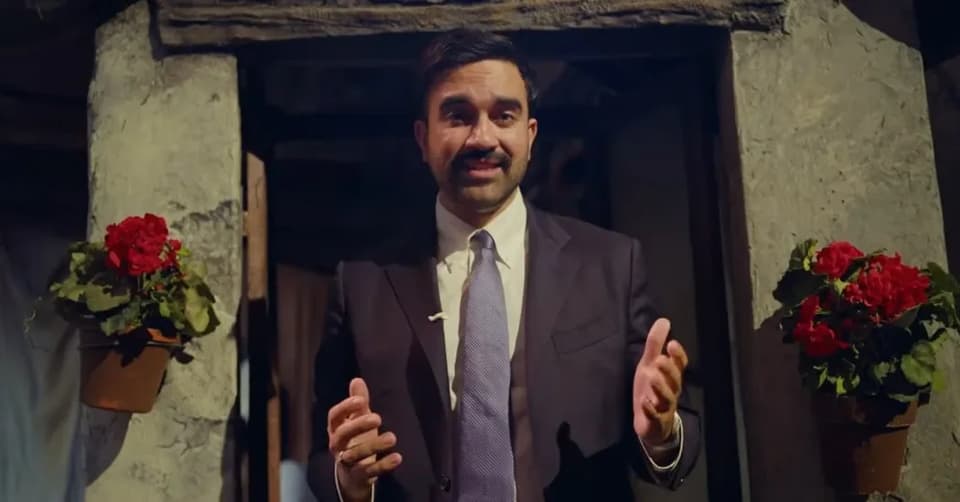
New York City Mayor Zohran Mamdani has partnered with the Metropolitan Opera to launch 'Opera for All,' a program distributing 70,000 free tickets to residents who have not purchased Met tickets since 2019. The initiative, announced via a video filmed on the opera house stage, aims to make high culture accessible regardless of income, aligning with Mamdani’s broader populist agenda of free public services. The Met, facing financial challenges, welcomed the move as a vital boost to its community relevance and fundraising efforts.
Key points
- The 'Opera for All' program will release 10,000 free tickets monthly during the 2026-27 season, totaling 70,000 tickets, which represents approximately 10% of the Met’s total seasonal inventory.
- Eligibility is restricted to New Yorkers who have not bought a Met ticket since 2019; tickets are available in all seating sections except standing room, and winners are selected via a monthly lottery.
- Mayor Mamdani announced the initiative in a video recorded on the Met’s stage during a 'La Bohème' rehearsal, explicitly linking the program to the legacy of Mayor Fiorello La Guardia’s 1940s 'people’s opera' initiatives.
- The Met’s general manager, Peter Gelb, stated that the partnership is beneficial for the financially struggling institution, coinciding with the launch of a $1.5 billion fundraising campaign.
- City agencies, including NYCHA, CUNY, and public libraries, will help promote the lottery to ensure broad reach among diverse populations, including students and low-income residents.
Background
This initiative follows Mamdani’s earlier efforts to democratize arts access, such as providing 2,100 free Broadway tickets to high school students in August 2026. It contrasts with the limited cultural engagement of his predecessors, Eric Adams and Bill de Blasio, who were rarely seen at Lincoln Center. The move aligns with Mamdani’s populist platform, which includes free child care and bus transit, and reflects a broader trend of mayors using cultural institutions to signal economic justice and community inclusion.
How outlets are covering it
The New York Times frames the announcement as a significant shift for a mayor previously uninterested in classical music, highlighting the Met’s financial relief and the symbolic value of Mamdani’s presence. NYC.gov emphasizes the logistical details, eligibility criteria, and the involvement of multiple city agencies in distribution. CBS News focuses on the lottery mechanics and the mayor’s statement that art should not be reserved for the wealthy. Timeout.com highlights the ease of entry and the historical precedent of La Guardia, noting that the program removes barriers for first-time attendees. All sources agree on the core facts but differ in emphasis: the Times focuses on the political and financial implications, while city and local outlets focus on accessibility and participation.
Why it matters
The program addresses the perception of opera as an exclusive, elite art form by removing financial barriers for a significant portion of the population. It strengthens the Met’s public standing and fundraising potential while advancing Mamdani’s agenda of economic justice and cultural inclusivity. The initiative may set a precedent for other cities to use public-private partnerships to expand access to high culture, potentially influencing future arts policy and funding models.
What to watch
The first monthly lottery for free tickets will open in September 2026, with subsequent draws occurring each month through the 2026-27 season. The Met has committed to continuing the program in future seasons, and the city plans to introduce additional pathways for direct ticket distribution beyond the lottery in the coming months. Mamdani is expected to attend a New York Philharmonic performance, as he promised in a recent call with conductor Gustavo Dudamel, further signaling his administration’s commitment to classical music.
- A New Advocate for Opera Takes the Met Stage: Mayor Mamdani The New York Times
- Mayor Mamdani Launches “Opera for All,” Bringing 70,000 Free Metropolitan Opera Tickets to New Yorkers NYC.gov
- Mayor Mamdani announces 70,000 free Met Opera tickets for NYC residents CBS News
- The Met is giving away 70,000 free opera tickets timeout.com
- Met Opera to give New Yorkers free tickets in affordability push Yahoo
Want the full story? Read the original reporting
Read on The New York Times