
Kingsolver’s 'Partita' Sparks Debate Over Rural Grief vs. Urban Idealism
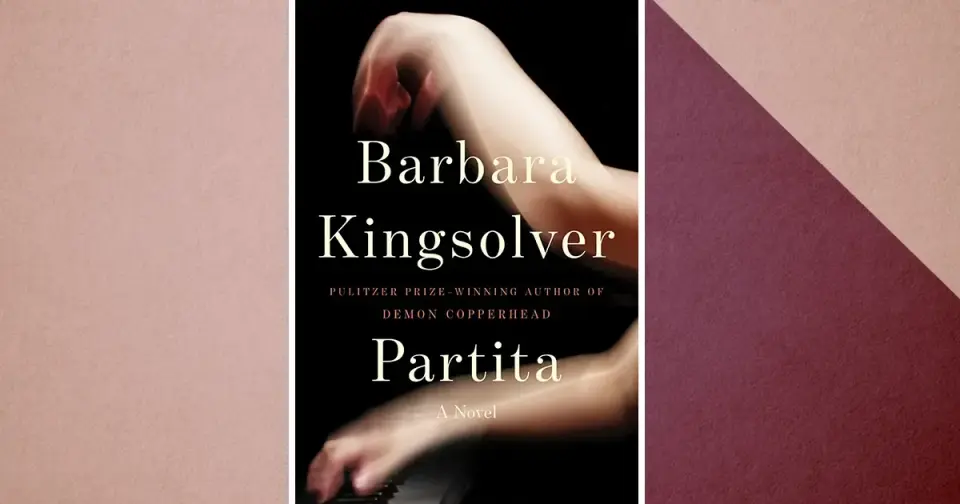
Barbara Kingsolver’s new novel, 'Partita,' explores the tension between rural conservatism and urban idealism through a pianist’s past. Critics are divided: some praise its emotional depth, while others criticize its lack of political nuance.
Key points
- Published October 6, 2026, 'Partita' follows Livia, a pianist from East Tennessee, and her past affair with a union organizer, Sigurd.
- The narrative alternates between Livia’s youth and her present-day grief after her mother’s death, using musical terms like 'sarabande' and 'al fine' to structure chapters.
- Kingsolver, a former pianist, uses the book to explore class barriers and the accessibility of classical arts in working-class communities.
- The novel is Kingsolver’s 19th, following the 2023 Pulitzer Prize winner 'Demon Copperhead.'
- Critics note the book’s intimate scale contrasts with her previous large-scale historical works.
Background
Kingsolver has been a prominent figure in American literature since the 1990s, known for works like 'The Poisonwood Bible' and 'Demon Copperhead.' Her 2023 Pulitzer Prize for 'Demon Copperhead' highlighted her focus on Appalachian life and the opioid crisis. 'Partita' continues her exploration of rural versus urban dynamics, a theme present in her 2018 novel 'Unsheltered.'
How outlets are covering it
Vulture’s Sam Worley criticizes 'Partita' for its 'sour' tone and lack of political depth, arguing Kingsolver conflates class with cultural conservatism. He notes the book’s failure to address broader systemic issues, unlike her earlier works. The New York Times’ Jeff Giles offers a more positive view, calling it a 'sexy novel about life’s what-ifs' that explores the pain of unfulfilled ambitions. The Conversation’s Jenni Ramone praises the book’s musical structure and its exploration of art’s role in healing, highlighting its 'touching' narrative. The New Yorker’s Casey Cep describes the book as a 'nesting box' of love letters, emphasizing its intimate scale and Kingsolver’s personal connection to the subject.
Why it matters
The debate over 'Partita' reflects broader cultural tensions between rural and urban perspectives in American literature. Kingsolver’s ability to blend personal narrative with social commentary continues to influence contemporary fiction, making this release significant for readers interested in class, art, and identity.
What to watch
Readers can purchase 'Partita' from Harper starting October 6, 2026. Kingsolver may discuss the book in upcoming interviews, potentially following her 2026 profile in The New Yorker.
- Barbara Kingsolver Has a Grudge Against the Coastal Elites Vulture
- Book Review: ‘Partita,’ by Barbara Kingsolver The New York Times
- What Barbara Kingsolver Is Reading newyorker.com
- Barbara Kingsolver strikes all the right chords in her latest novel Yahoo
- Partita by Barbara Kingsolver: the touching story of a musician striving to bring the movements of her life together The Conversation
Want the full story? Read the original reporting
Read on Vulture