
Keffe D Sentenced to Life for Tupac Murder After 30-Year Cold Case
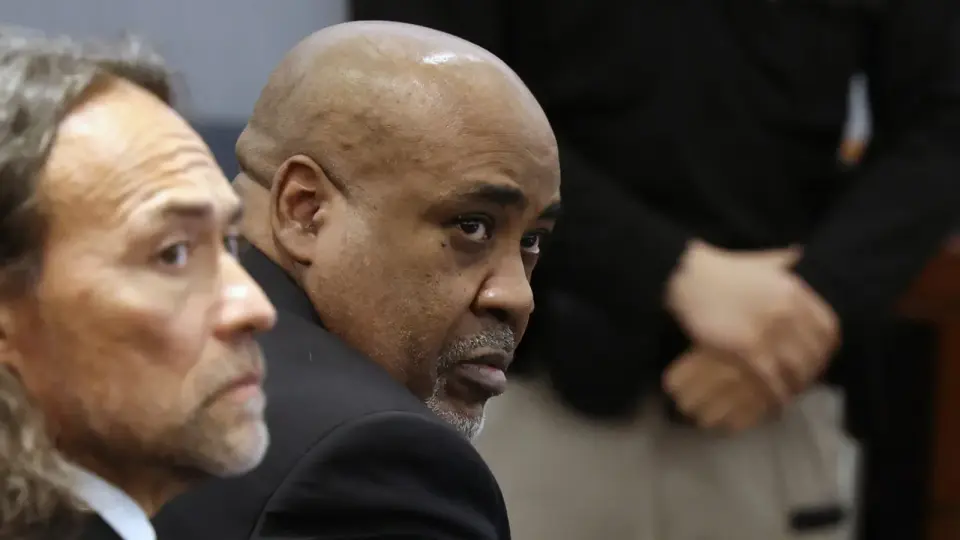
Duane 'Keffe D' Davis was sentenced to 40 years to life in prison for orchestrating the 1996 murder of rapper Tupac Shakur. The verdict concludes a three-decade investigation, though Davis maintains his innocence and plans to appeal.
Key points
- Nevada District Court Judge Carli Kierny sentenced 63-year-old Duane Davis to 40 years to life on October 13, 2026, following an August conviction by a Las Vegas jury.
- Prosecutors argued Davis orchestrated the drive-by shooting as retaliation for an earlier attack on his nephew, Orlando Anderson, by Death Row Records co-founder Suge Knight and others.
- Key evidence included a 2008 recorded interview where Davis admitted to handing a .40-caliber Glock to a backseat passenger, which he later publicized in a BET interview and his memoir.
- Davis refused to testify in his own defense, claiming investigators failed to prove he was in Las Vegas at the time of the shooting.
- The judge rebuked Davis for claiming he had left gang life behind, stating that taking a life cannot be undone by later personal changes.
Background
This case closes one of hip-hop's most notorious cold cases, which had remained unsolved since September 7, 1996. Previous coverage noted that Davis was arrested in 2023 and convicted in August 2026 after jurors took only three hours to reach a verdict. The 1997 murder of Christopher Wallace (Notorious B.I.G.) remains unsolved, continuing to haunt the public narrative about the era's gang violence.
How outlets are covering it
Rolling Stone and The New York Times emphasize the finality of the 30-year investigation and the emotional impact on Shakur's family, particularly his sister Sekyiwa 'Set' Shakur. Court TV highlights Davis's defiant demeanor, noting he rolled his eyes at the judge and argued about time served in unrelated cases. CNN focuses on the legal mechanics, noting the mandatory sentencing laws that guarantee Davis will die in prison. All sources agree that the case relied heavily on Davis's own admissions rather than physical evidence or direct witnesses.
Why it matters
The sentencing resolves a decades-old mystery that captivated the public and hip-hop community. It also highlights the complexities of cold-case prosecutions relying on delayed admissions and the ongoing impact of 1990s gang violence on the music industry.
What to watch
Davis has vowed to appeal the conviction, claiming his civil rights were violated. He remains in custody without bail. The case may also influence how similar cold cases involving delayed admissions are handled in the future.
- Duane ‘Keffe D’ Davis Sentenced to 40 Years to Life for Murder of Tupac Shakur Rolling Stone
- Tupac Shakur Murder Conviction Lands Man 40 Years to Life in Prison The New York Times
- Ex-gang leader sentenced to 40 years to life in prison for Tupac Shakur murder Yahoo
- Duane Davis sentenced to 40 years to life for the death of Tupac Shakur CNN
- ‘Anything else you want to say?’: Duane Davis rolls his eyes at judge during sentencing for Tupac’s murder Court TV
Want the full story? Read the original reporting
Read on Rolling Stone