
Keffe D Sentenced to 40 Years for Tupac Shakur Murder
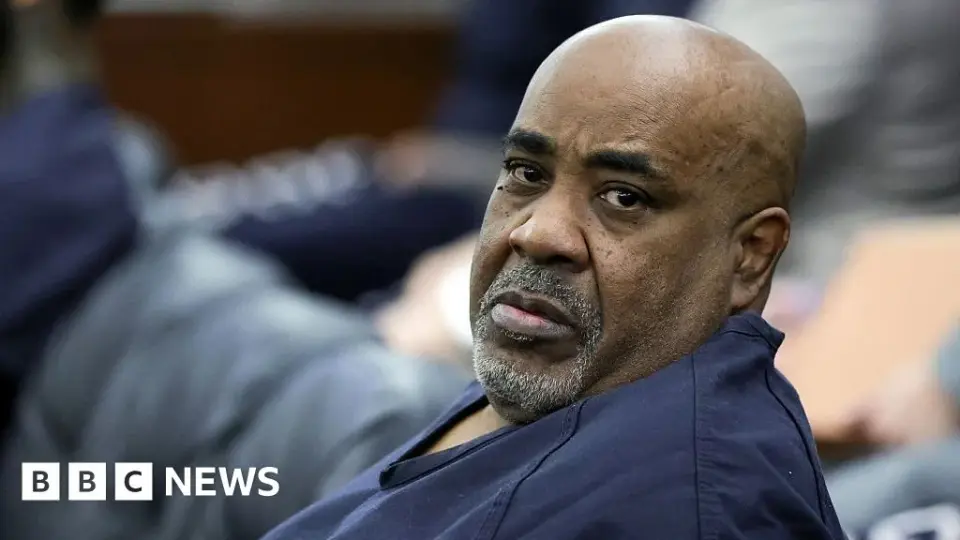
Duane 'Keffe D' Davis was sentenced to 40 years in prison for orchestrating the 1996 murder of rapper Tupac Shakur. The conviction, based largely on Davis's own admissions, closes a decades-old cold case, though he plans to appeal.
Key points
- Duane 'Keffe D' Davis, 63, received a 40-year prison sentence for the 1996 drive-by shooting that killed Tupac Shakur in Las Vegas.
- A jury convicted Davis in September on one count of first-degree murder with a deadly weapon, finding he orchestrated the attack despite not firing the gun.
- Prosecutors relied on Davis's 2008 police interview and 2019 memoir, 'Compton Street Legend,' where he admitted providing the weapon and being inside the vehicle.
- Davis has stated he will appeal the verdict, claiming innocence and alleging that his memoir was not written by him.
- This is the first conviction in the case, which had remained unsolved for nearly 30 years due to gang rivalry and lack of physical evidence.
Background
The murder of Tupac Shakur in September 1996 became one of hip-hop's most notorious cold cases, fueled by the East Coast-West Coast rap rivalry and the feud between Death Row Records and Bad Boy Records. Investigations stalled for decades, with no one charged until Davis's public admissions in 2019. The 1997 murder of Notorious B.I.G. remains unsolved, continuing to haunt the public narrative of that era.
How outlets are covering it
BBC and NBC News confirm the 40-year sentence and Davis's plan to appeal. NBC News highlights the judge's emphasis on Davis's profiting from the murder and the victim impact statement from Shakur's sister, Sekyiwa. CNN's source was inaccessible due to a technical error, so no perspective could be extracted. The Republic News source was unrelated to the story. All available sources agree on the core facts of the conviction and sentencing, with NBC providing additional detail on the courtroom proceedings and family reactions.
Why it matters
The sentencing marks a historic resolution to a case that captivated hip-hop fans and true-crime enthusiasts for nearly three decades. It validates the use of a suspect's own admissions as primary evidence in a cold case where physical evidence and witnesses were scarce. However, the planned appeal and the unsolved status of the Notorious B.I.G. murder leave lingering questions about the full scope of the 1990s gang violence and law enforcement failures.
What to watch
Davis's legal team will file an appeal, likely challenging the admissibility of his 2008 proffer statements and the authenticity of his 2019 memoir. The case will continue to draw attention to the unresolved murder of Notorious B.I.G. and the broader context of 1990s hip-hop gang violence.
- Duane "Keffe D" Davis sentenced in rapper Tupac Shakur's murder BBC
- Duane Davis sentenced to 40 years to life for the death of Tupac Shakur CNN
- Duane ‘Keffe D’ Davis sentenced to 40 years in connection to Tupac Shakur’s 1996 murder NBC News
- Take Your Best Shot: Dana Parks The Republic News
- TODAY: Duane Davis receives sentence for murder of Tupac Shakur KSNV
Want the full story? Read the original reporting
Read on BBC