
Merriam-Webster Updates Dictionary with 1,400 New Terms, Including 'Trash Panda' and 'Cuffing Season'
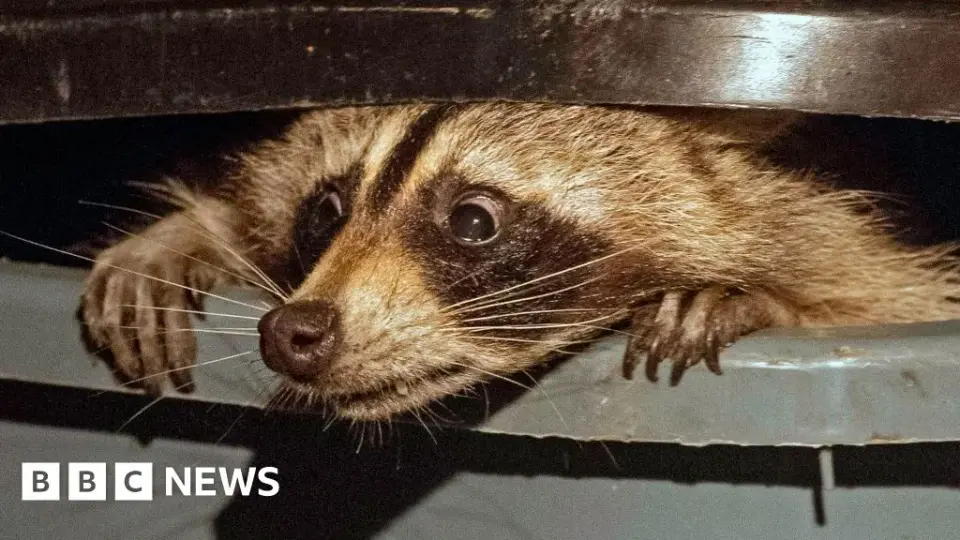
Merriam-Webster has added 1,400 new words and definitions to its online dictionary, reflecting widespread usage in modern English. Notable additions include 'trash panda' (a nickname for raccoons), 'cuffing season' (the period when single people seek romantic partners for winter), and 'looksmaxxing.' The update also includes culinary terms like 'bao' and 'superfood,' as well as tech-related phrases such as 'meme coin' and 'vibe coding.'
Key points
- Merriam-Webster, America's oldest dictionary publisher, announced the addition of 1,400 new words and definitions on September 16, 2026.
- New entries include 'trash panda,' 'glow-up,' 'looksmaxxing,' 'meme coin,' 'cuffing season,' 'superfood,' 'bao,' and 'cake pop.'
- The publisher stated that new words are added based on evidence of widespread and meaningful usage over time, without a formal committee or advocacy process.
- Some terms, like 'whack-a-mole' and 'Mandela effect,' are already familiar to many, while others, such as 'California sober' and 'uncanny valley,' may be less known.
- The 2025 Word of the Year was 'slop,' defined as low-quality digital content produced by AI; the 2026 Word of the Year has not yet been announced.
Background
Merriam-Webster, based in Springfield, Massachusetts, traces its origins to 1843 when the Merriam brothers acquired rights to Noah Webster's 1841 dictionary. The company regularly updates its dictionary to reflect evolving language use. In 2025, 'slop' was named Word of the Year, highlighting the impact of AI-generated content on language and culture. This latest update continues the tradition of capturing contemporary usage, including terms related to technology, food, and social behavior.
How outlets are covering it
BBC emphasized the cultural and seasonal relevance of new terms like 'trash panda' and 'cuffing season,' highlighting how the dictionary captures everyday language. The New York Times focused on the breadth of new entries, including 'shapewear' and 'chili crisp,' and noted the company's history and editorial process. NBC News highlighted the inclusion of AI-related terms like 'uncanny valley' and 'vibe coding,' connecting the update to current technological trends. All sources agree on the 1,400-word expansion but differ in emphasis: BBC on cultural trends, NYT on variety and history, and NBC on technology and AI.
Why it matters
The addition of 1,400 new words reflects how language evolves in response to cultural, technological, and social changes. Terms like 'cuffing season' and 'looksmaxxing' capture contemporary social behaviors, while 'meme coin' and 'vibe coding' reflect the influence of technology and digital culture. This update provides insight into how language adapts to modern life and how dictionaries serve as records of societal shifts.
What to watch
Merriam-Webster has not yet announced its 2026 Word of the Year, which is typically revealed in the final quarter of the year. The company continues to monitor language usage for future updates, ensuring that its dictionary remains a dynamic reflection of contemporary English.
- Merriam-Webster dictionary adds 1,400 words, including trash panda BBC
- Merriam-Webster adds 1,400 new words and definitions to dictionary website WWLP
- Merriam-Webster Dictionary Is Wordsmaxxing With 1,400 New Definitions The New York Times
- 'Looksmaxxing' to 'Cuffing Season': Merriam-Webster Adds 1.4K Words Newser
- Merriam-Webster gives its dictionary a ‘glow-up’ with 1,400 new words and definitions nbcnews.com
Want the full story? Read the original reporting
Read on BBC