
Oprah Winfrey's 40-Year Legacy: How Small Shifts Created a Cultural Atomic Bomb
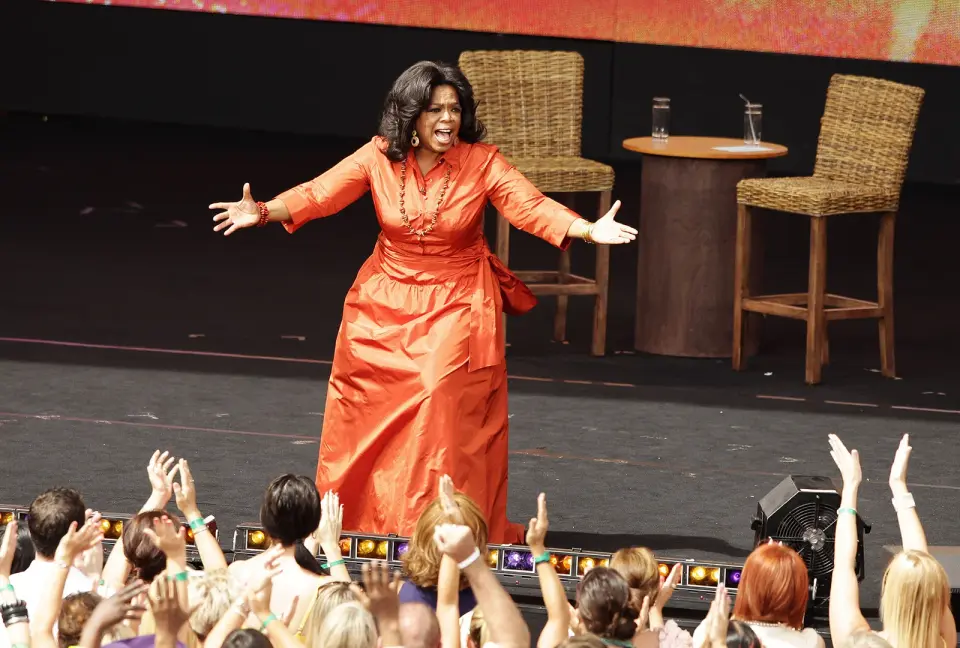
Salon argues that Oprah Winfrey functions as America's cultural Oppenheimer, having initiated a gradual, atomic transformation of media and consumer habits over four decades. Her 1986 launch of 'The Oprah Winfrey Show' established a model of 'Change Your Life TV' that normalized self-help, literacy, and wellness products. While this influence democratized access to ideas and empowered women, it also inadvertently launched the careers of Dr. Mehmet Oz and Dr. Phil McGraw. Their subsequent alignment with Donald Trump’s administration, including roles in the Centers for Medicare & Medicaid Services and the Religious Liberty Commission, highlights the unpredictable consequences of Winfrey’s early endorsements. Although Winfrey has publicly distanced herself from them, the article suggests her legacy persists through modern influencers who replicate her formula of combining personal branding with commercial endorsements.
Key points
- Winfrey’s 1986 show pioneered 'atomic change' in media, using small, daily adjustments to reshape American culture over 25 years and 4,561 episodes.
- Her endorsement of Dr. Oz and Dr. Phil as wellness experts inadvertently facilitated their entry into the Trump administration, despite her current political divergence from them.
- The concept of 'atomic change' is applied to Winfrey’s influence, suggesting that minor, consistent actions can lead to significant, irreversible societal transformations.
- Modern influencers on platforms like Instagram and TikTok are described as inheriting Winfrey’s model, blending self-help messaging with product sales.
- Winfrey’s 2025 interview with Eric Deggans confirms she views her past support for Oz and Phil as well-intentioned but distinct from their current political paths.
Background
This analysis builds on previous coverage regarding the complex relationship between Oprah Winfrey and the political trajectories of Dr. Phil McGraw and Dr. Mehmet Oz. Earlier reports noted Winfrey’s public distancing from these figures due to their pro-Trump stances, while this piece explores the deeper cultural mechanisms that allowed their rise. It also connects to broader discussions about America’s cultural canon and the enduring impact of media figures on public behavior and consumerism.
Why it matters
The article illustrates how media influence operates as a long-term, compounding force that can outlast the original platform. It highlights the ethical complexities of celebrity endorsement, showing how early support for individuals can have unforeseen political and societal consequences. Furthermore, it demonstrates the evolution of 'influencer culture,' tracing its roots to Winfrey’s integration of personal branding, self-help, and commerce, a model now standard in digital media.
What to watch
The article suggests that the cultural shifts initiated by Winfrey are permanent, with no possibility of reversal. As modern influencers continue to replicate her strategies, the focus will likely remain on the tension between personal empowerment messaging and the commercial or political outcomes that result from such endorsements. The ongoing debate about the responsibility of media figures for the actions of those they promote will likely persist as new generations of influencers emerge.
Want the full story? Read the original reporting
Read on Salon.com