
Tarantino Admits Guilt Over Abandoning Cliff Booth Sequel, Cedes Direction to Fincher
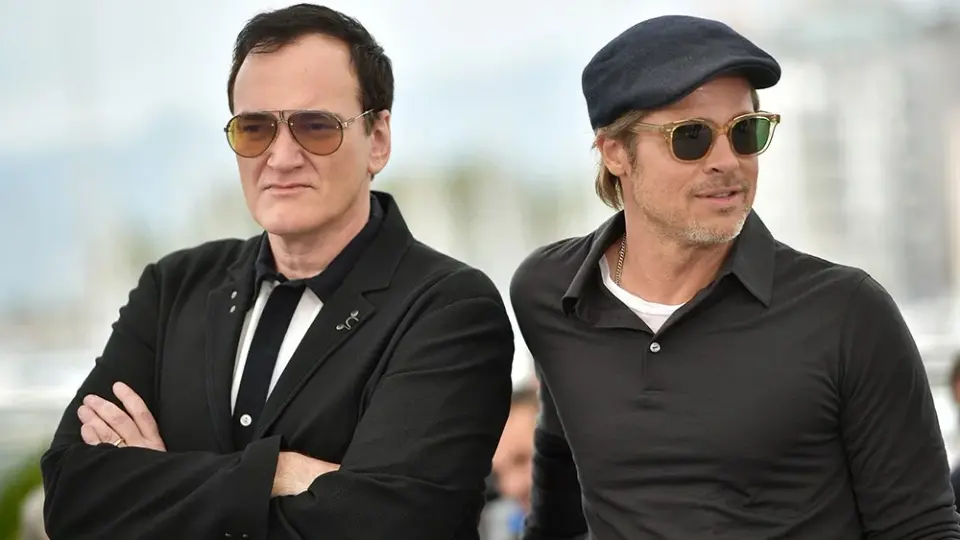
Quentin Tarantino has admitted he felt guilty for stepping away from directing the sequel to 'Once Upon a Time in Hollywood,' a decision that left Brad Pitt disappointed. Tarantino wrote the script for 'The Further Mis-Adventures of Cliff Booth' but decided it would not be his tenth and final film as a director. David Fincher subsequently took over the project, which premieres in IMAX theaters on November 25, 2026, before streaming on Netflix on December 23. The film shifts the timeline from 1969 to 1977, depicting Cliff Booth as a Hollywood fixer rather than a stuntman.
Key points
- Tarantino stated in an interview with Empire that Pitt was the person he felt he was 'really letting down' by not directing the sequel.
- Fincher, who previously directed Pitt in 'Seven' and 'Fight Club,' accepted the project after Pitt expressed interest, describing the initial handoff as a mutual permission process.
- The script was originally 230 pages, which Fincher compressed into a 2-hour, 18-minute film, a cut Tarantino initially questioned but ultimately accepted.
- The film features a new cast including Elizabeth Debicki, Scott Caan, and Yahya Abdul-Mateen II, with Pitt reprising his Oscar-winning role.
- Theatrical distribution is limited; Regal and Cinemark have declined to show the film in IMAX due to Netflix's shortened theatrical window, while other IMAX venues will screen it on November 25.
Background
Our archive indicates that 'The Further Mis-Adventures of Cliff Booth' has remained highly secretive, with no industry screenings prior to its release. A surprise 17-minute preview was shown at AFI Fest in October 2026, confirming the shift from a character study to a crime narrative. The film’s release strategy has sparked debate, with major chains refusing the title due to the two-week theatrical window before its December 23 streaming debut.
How outlets are covering it
Variety and Yahoo emphasize Tarantino’s personal guilt and his relief that Fincher, a director he admires, took on the material, validating his screenwriting skills. Empire provides a deeper look at the collaborative process, highlighting the daily interactions between Tarantino and Fincher and the compression of the script. Vulture focuses on the logistical aspects, noting the 'Finchtino' tag team dynamic and the specific IMAX exclusivity issues with Regal and Cinemark. While all sources agree on the core facts, Empire and Vulture offer more detail on the creative differences, such as Fincher’s shorter runtime versus Tarantino’s preference for longer films, whereas Variety and Yahoo focus primarily on the emotional and professional relationship between the writers and actors.
Why it matters
This story highlights the rare collaboration between two major auteurs, Tarantino and Fincher, and the impact of streaming models on theatrical releases. The refusal by major chains to screen the film underscores the ongoing tension between traditional cinema and streaming platforms regarding release windows. Additionally, it marks a significant moment for Tarantino, who has long planned this as his final directorial effort, now ceding control to another filmmaker while retaining the writing credit.
What to watch
The film will premiere in select IMAX theaters on November 25, 2026. It will become available on Netflix on December 23, 2026. No further industry screenings are planned, and the film’s reception will likely be driven by its limited theatrical debut and subsequent streaming release.
- Quentin Tarantino Thought He Was ‘Letting Down’ Brad Pitt by Not Directing Cliff Booth Sequel: ‘I Felt Bad About That’ Variety
- Quentin Tarantino and David Fincher explain how they made their Cliff Booth sequel (Exclusive) Empire
- The Further Mis-Adventures of Cliff Booth Is a Finchtino Tag Team Vulture
- Quentin Tarantino Admits He Felt Guilty About Letting Brad Pitt Down Yahoo
- How Fincher and Tarantino Carved Down a 230-Page Script for ‘Cliff Booth’ No Film School
Want the full story? Read the original reporting
Read on Variety