
Kolb’s Physical Confrontation with Protesters Dominates New York Fashion Week Recap
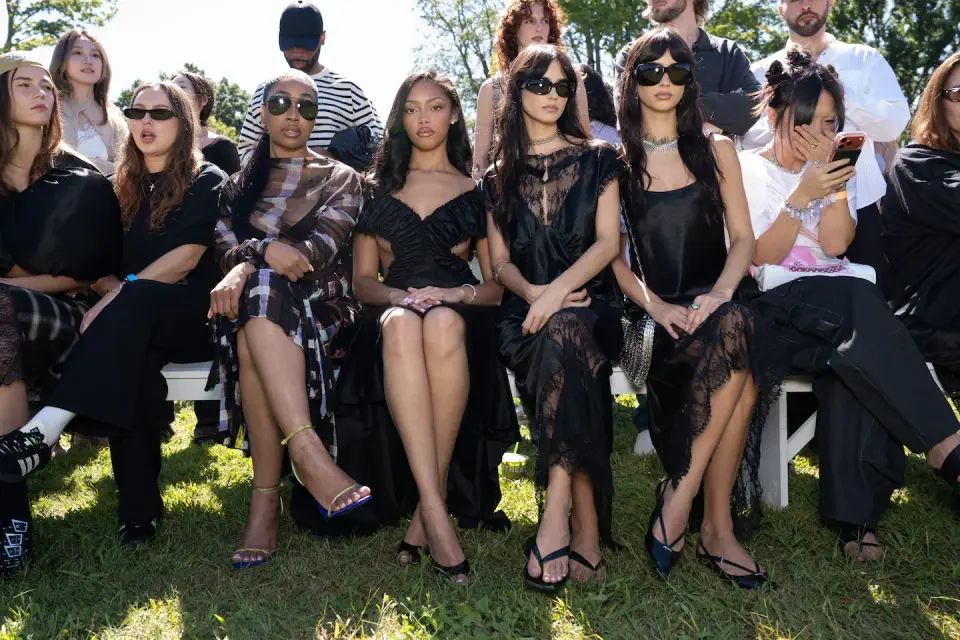
The 2026 New York Fashion Week cycle was defined less by runway trends and more by a physical altercation involving Steven Kolb, the CEO of the Council of Fashion Designers of America. Kolb was placed on leave after restraining two protesters during a Cos show. While fashion critics noted standout moments like 'stripper shoes' and a lost supermodel, the industry’s focus shifted to governance and safety. The event highlighted a growing tension between traditional fashion institutions and activist interventions, with Kolb’s removal from his role pending investigation marking a significant disruption to the industry’s leadership.
Key points
- Steven Kolb, CEO of the Council of Fashion Designers of America, was placed on leave after physically restraining two protesters at a Cos runway show.
- The incident occurred during the 2026 New York Fashion Week, which also featured notable runway moments including 'stripper shoes' and a missing supermodel.
- The Washington Post characterized the Kolb incident as the primary news of the week, overshadowing fashion trends.
- The event raised questions about security and protest protocols at major fashion events.
Background
This incident follows a period of increased scrutiny on fashion industry leadership and event security. Previous coverage of fashion events, such as the Venice Film Festival 2026, highlighted the intersection of celebrity presence and public perception, but the Kolb incident marks a shift toward direct physical confrontation within the industry’s governance structure. The archive does not provide specific background on Kolb’s tenure, but his role as CFDA CEO places him at the center of the industry’s regulatory and promotional framework.
How outlets are covering it
The Washington Post emphasized the Kolb incident as the dominant story, framing it as a disruption to the industry’s leadership and a symbol of broader tensions. Puck.news, in its coverage of 'The Designers Who Won New York Fashion Week,' likely focused on the creative achievements of designers, potentially downplaying the Kolb controversy in favor of fashion outcomes. Air Mail’s coverage, titled 'Bridget Foley Delivers an Unsparing Assessment of New York Fashion Week,' suggests a critical perspective on the week’s overall impact, possibly including the Kolb incident as part of a broader critique of the industry’s direction. The outlets differ in emphasis: The Washington Post prioritized the governance and safety implications, while Puck.news and Air Mail may have focused more on the fashion content and critical assessments, respectively.
Why it matters
The Kolb incident signals a potential shift in how fashion industry leaders handle public dissent and security at high-profile events. It may lead to revised protocols for protests and physical altercations at fashion weeks, impacting future event planning and industry governance. The incident also highlights the growing influence of activist interventions in fashion, challenging traditional power structures within the industry.
What to watch
The investigation into Kolb’s actions will likely determine his future role in the CFDA and potentially influence industry-wide policies on event security and protest management. Fashion weeks may see increased security measures and clearer guidelines for handling protests. The industry may also face broader discussions on the balance between creative expression and public order at major events.
- The best, worst and weirdest of New York Fashion Week The Washington Post
- Fashion Always Knows First New York Social Diary
- NYFW Winners & Sinners puck.news
- Video Highlights from fashion week ABC News - Breaking News, Latest News and Videos
- Bridget Foley Reviews New York Fashion Week 2026 Air Mail
Want the full story? Read the original reporting
Read on The Washington Post