
Judge Sentences First Music Streaming Fraud Convict to 18 Months
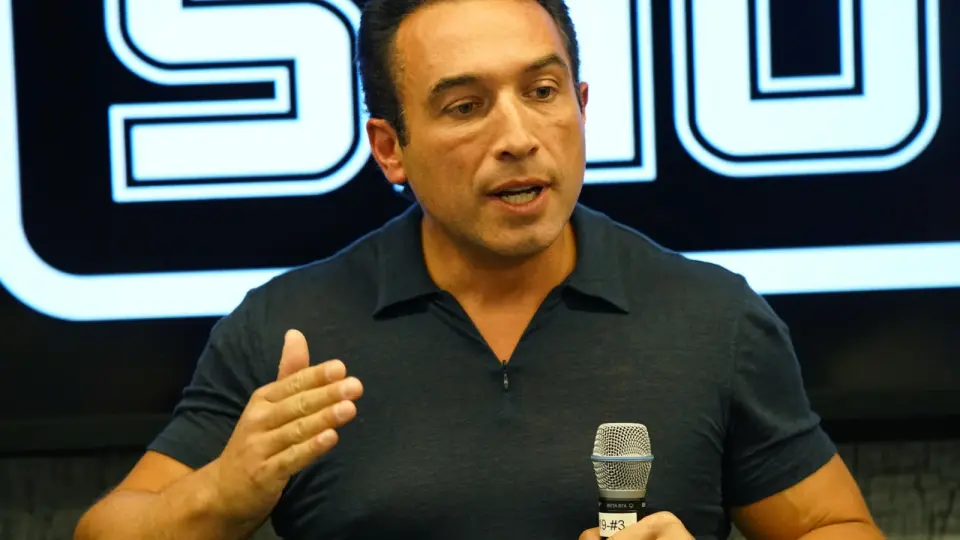
Michael Smith, the first individual federally charged for music streaming fraud, was sentenced to 18 months in prison on October 6, 2026. Smith, a North Carolina musician, pleaded guilty in March to conspiracy to commit wire fraud after using bots and AI-generated songs to generate over $8 million in fake royalties between 2017 and 2024. Judge John G. Koeltl imposed the sentence, which is significantly lower than the 46 months sought by prosecutors but higher than the probation requested by Smith’s defense. Smith must also forfeit $8.09 million. The case highlights the growing threat of AI-assisted fraud in the music industry, though industry groups argue structural reforms are needed beyond individual prosecutions.
Key points
- Smith was sentenced to 18 months in prison and two years of supervised release by Judge John G. Koeltl in Manhattan.
- Smith agreed to forfeit $8,091,843.64 as part of his guilty plea in March 2026.
- Prosecutors sought 46 months, while defense attorneys requested probation, arguing the harm to individual artists was negligible.
- The scheme involved using bots to stream AI-generated and original music on platforms like Spotify, Apple Music, and YouTube Music.
- Smith admitted to turning his love of music into a 'perverse business model' during his court statement.
Background
This case follows a broader industry push against streaming fraud, including the IFPI's Streaming Integrity Initiative launched in September 2026. The initiative aims to establish anti-fraud standards across digital service providers. Smith’s case is distinct from other recent fraud cases, such as the pandemic loan fraud conviction of Tiawana Brown, as it specifically targets the manipulation of music royalty pools through automated means.
How outlets are covering it
Rolling Stone and Billboard report that the sentence was a compromise between the prosecution's demand for 46 months and the defense's request for probation. Billboard notes that prosecutors emphasized the need for deterrence, while defense attorneys argued that the legal boundaries around bot streaming were unsettled when Smith began his scheme. Law Commentary highlights the scale of the fraud, noting that Smith’s catalog generated 80.9 million streams in April 2023, compared to 9.3 million for Taylor Swift’s entire catalog among the same subscribers. Music Business Worldwide provides technical context on how pro-rata royalty systems allow such fraud to occur, suggesting that specific rule changes could have prevented the scheme. All sources agree that while the conviction is a milestone, industry leaders like the RIAA and Music Fights Fraud Alliance emphasize that one case is insufficient to stop widespread fraud.
Why it matters
The sentencing of Michael Smith marks the first federal criminal conviction for music streaming fraud, setting a precedent for prosecuting AI-assisted manipulation of royalty pools. It signals that the justice system is beginning to treat large-scale streaming fraud as a serious financial crime, potentially influencing future legal standards and platform policies in the music industry.
What to watch
Smith will serve his 18-month sentence followed by two years of supervised release. Industry stakeholders, including the RIAA and Music Fights Fraud Alliance, will continue to advocate for structural reforms and cross-platform collaboration to prevent similar schemes. The case may also influence how platforms like Spotify and Apple Music update their terms of service and anti-fraud detection systems.
- Music Streaming Fraudster Sentenced to 18 Months in Prison Rolling Stone
- AI Music Streaming Fraudster Sentenced to 1.5 Years in Prison for $8M Royalties Scam Billboard
- North Carolina Man Gets 18-Month Prison Sentence For $8 Million AI Music Streaming Fraud Forbes
- Prosecutors Want Nearly 4 Years in Prison for Man Behind $8M AI Music Streaming Scam Law Commentary
- An $8M streaming fraud, two plays a day. Here’s the pro-rata math behind the bot scheme – and the rule change that would have killed it. Music Business Worldwide
Want the full story? Read the original reporting
Read on Rolling Stone