
Weinstein Sentenced to 15 Years in New York After Decade-Long Legal Saga
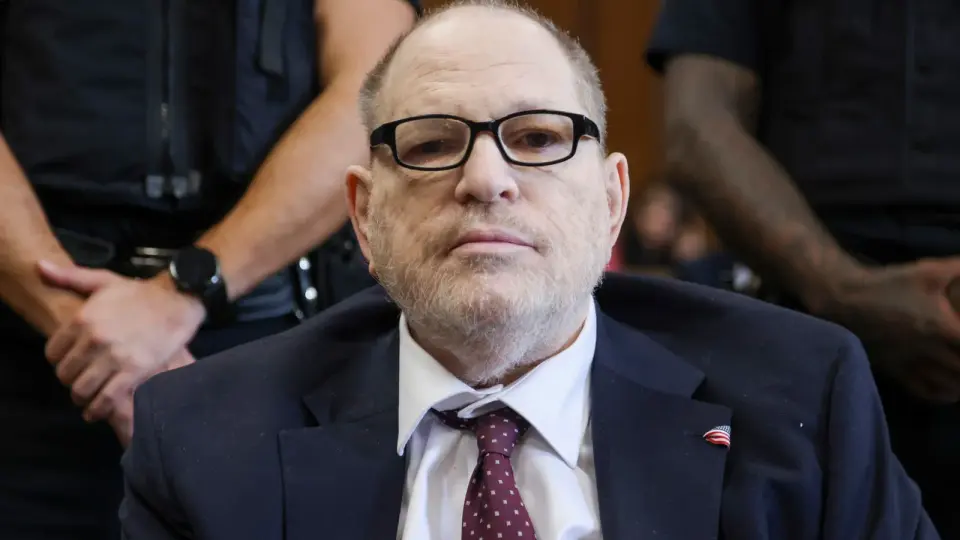
Harvey Weinstein was sentenced to 15 years in prison on September 23, 2026, for the 2006 sexual assault of Miriam Haley. Judge Curtis Farber rejected the prosecution’s request for 20 years and the defense’s plea for nine, citing Weinstein’s lack of remorse. The sentence includes five years of supervised release and sex offender registration. Weinstein, 74, appeared in a wheelchair, denying the allegations while apologizing for harm caused. He faces a separate California conviction and remains hospitalized due to health issues, including bone marrow cancer and heart disease. The case concluded a six-year legal saga that began with his 2018 arrest, a pivotal moment in the #MeToo movement.
Key points
- Judge Curtis Farber sentenced Weinstein to 15 years in prison, plus five years of supervised release and mandatory sex offender registration.
- The sentence followed a retrial in June 2025 after Weinstein’s 2020 conviction was overturned by New York’s highest court in 2024.
- Victim Miriam Haley testified twice, describing the 2006 assault at Weinstein’s SoHo apartment and the emotional toll of the legal process.
- Weinstein denied guilt but apologized for the negative impact of his actions, stating he is not a violent man.
- Weinstein faces a separate resentencing in California for a 2013 rape conviction, with no date set for that hearing.
- Weinstein has been hospitalized six times since 2025 due to blood cancer, heart failure, and kidney issues, and is currently housed at Bellevue Hospital.
Background
Weinstein’s downfall began in 2017 after exposés in The New York Times and The New Yorker detailed allegations from over 80 women. His 2018 arrest became a catalyst for the global #MeToo movement. The current sentencing concludes the New York chapter of a nine-year legal saga, following multiple retrials and hung juries involving other accusers like Jessica Mann and Kaja Sokola.
How outlets are covering it
CNBC and NBC News emphasized the legal odyssey and the judge’s criticism of Weinstein’s lack of responsibility. Variety highlighted Weinstein’s complaints about prison conditions and his desire to advocate for inmates, while noting the prosecution’s argument that he showed no remorse. amNewYork focused on the emotional impact on victim Miriam Haley, who described the process as a 'trial by fire' and expressed hope that this is the final time she must testify. All sources agreed on the 15-year sentence but differed in emphasis on Weinstein’s health, his denial of guilt, and the broader implications for the #MeToo movement.
Why it matters
The sentencing marks a significant endpoint in the #MeToo movement’s legal reckoning, demonstrating the long-term consequences for powerful figures accused of sexual misconduct. It also highlights the challenges faced by victims in pursuing justice through multiple trials and appeals. Weinstein’s ongoing health issues and pending California resentencing add complexity to the case, raising questions about the practical enforcement of his sentences.
What to watch
Weinstein is expected to appeal the New York sentence and will face a separate resentencing in California for his 2013 rape conviction. He will remain in a hospital ward due to health issues before transfer to a state prison. The case may continue to draw attention to prison conditions and the treatment of elderly inmates with serious health problems.
- Harvey Weinstein is sentenced to 15 years in prison for 2006 sex crime in New York CNBC
- Harvey Weinstein Sentenced to 15 Years in Prison WSJ
- Harvey Weinstein sentenced to 15 years on New York sex crime conviction NBC News
- Harvey Weinstein Sentenced to 15 Years in Prison for Sexual Assault After New York Retrial Variety
- ‘It doesn’t go away’: Harvey Weinstein victim speaks out after disgraced mogul sentenced to 15 years amNewYork
Want the full story? Read the original reporting
Read on CNBC