
Santa Cruz Otter Confronts Youth Surfers in Viral Standoff
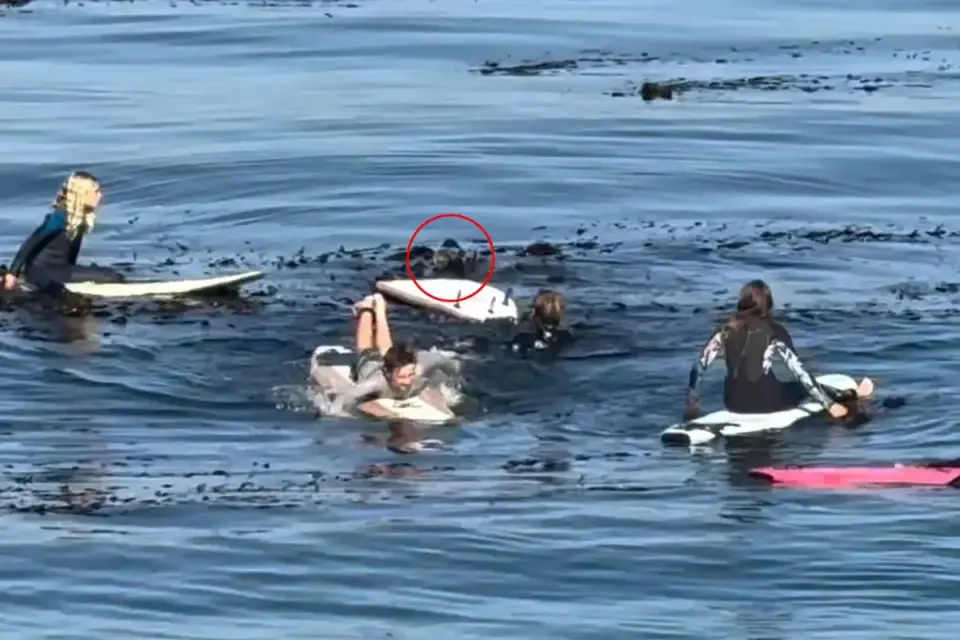
A sea otter approached a group of young surfers at Steamer Lane in Santa Cruz in late September, climbing onto a surfboard in a tense but non-injurious encounter. The incident adds to a growing list of aggressive marine mammal interactions along the California coast, including a recent sea lion attack on a paddleboarder in Santa Cruz. Experts note that domoic acid poisoning from harmful algal blooms may be causing unpredictable behavior in local marine mammals.
Key points
- An otter approached a youth surf club at Steamer Lane in Santa Cruz in late September and climbed onto a surfer's board.
- A witness described the otter's behavior as appearing aggressive, though no injuries were reported.
- In a separate incident in September, a sea lion attacked paddleboarder Heather Gray near Pleasure Point, biting her arm, hand, and feet.
- Gray received tetanus and rabies shots after the attack and noted the sea lion followed her to shore.
- The Marine Mammal Center links unpredictable behavior in sea lions and fur seals to domoic acid poisoning from harmful algal blooms in Monterey Bay.
Background
This incident follows a pattern of unusual wildlife interactions in California. In late September, a woman swimming at Lake Tahoe was attacked by a sea otter, requiring 38 stitches. Additionally, earlier this year, Hurricane Marie brought elevated surf and rip currents to the California coast, potentially altering marine animal habitats and behaviors. The current otter encounter highlights ongoing concerns about human-wildlife conflicts in coastal recreational areas.
Why it matters
These incidents underscore the increasing frequency and unpredictability of marine mammal encounters in popular recreational areas. The potential link between algal bloom toxins and aggressive behavior suggests that environmental changes may be driving these interactions, posing safety risks for surfers and other water users along the California coast.
What to watch
Authorities and marine biologists will likely continue monitoring domoic acid levels and marine mammal behavior in Monterey Bay. Public safety advisories may be issued for coastal recreational areas if aggressive encounters continue. The Marine Mammal Center is expected to provide further updates on the causes of unpredictable animal behavior.
Want the full story? Read the original reporting
Read on New York Post