
Coalition Files Emergency Motion to Block Paramount-WBD Merger Amid Court Hearing
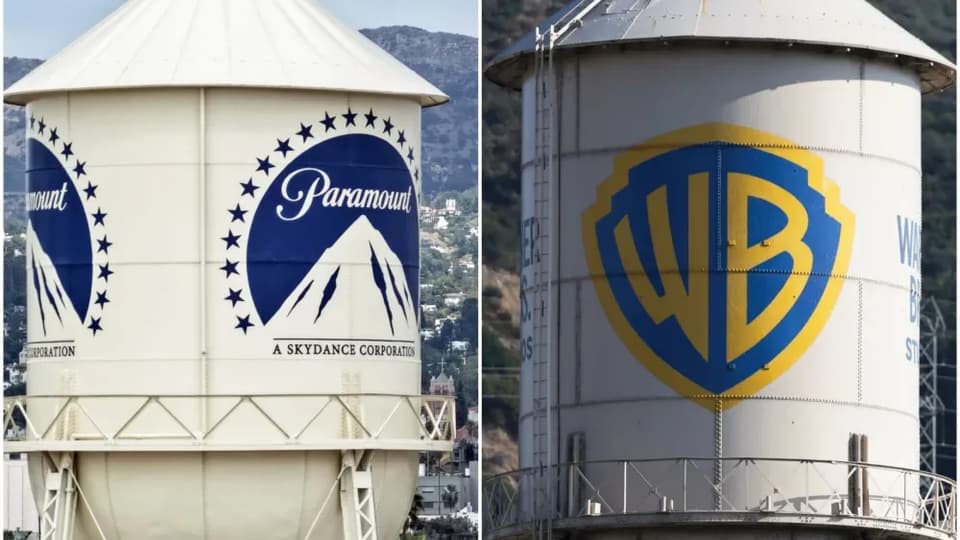
A coalition of media and press freedom groups has filed an emergency legal motion in California federal court to oppose the $111 billion Paramount-Warner Bros. Discovery merger. The filing challenges a recent settlement between Paramount and 12 state attorneys general, which the coalition calls weak and unenforceable. Judge Araceli Martínez-Olguín is scheduled to address the merger and the motion in a hearing today. Meanwhile, Warner Bros. staff report uncertainty and anxiety as the deal is expected to close within 10 days, with Paramount CEO David Ellison promising $6 billion in synergy savings.
Key points
- The Block the Merger Coalition, including Free Press and the International Documentary Association, filed an amicus brief request to oppose the Paramount-WBD merger.
- The coalition is challenging a settlement reached Monday between Paramount and 12 state attorneys general, which included commitments to release 30 movies annually and maintain California studio lots for five years.
- Judge Araceli Martínez-Olguín is set to hold a hearing at 11am to address outstanding questions about the merger and potentially rule on the coalition’s motion.
- Warner Bros. executives told 500 senior staffers that the deal is expected to close in about 10 days, though they admitted limited visibility into the new company’s plans.
- Paramount CEO David Ellison has stated the merger will yield $6 billion in synergy savings, but Warner Bros. staff remain skeptical about job security and the future of the Warner Bros. brand.
Background
The Paramount-WBD merger has faced significant regulatory and labor opposition since mid-2026. In August, the Teamsters and Writers Guild of America demanded concrete commitments from Paramount regarding domestic production and worker benefits. A $1.88 billion bond tied to the merger was pushed to September 24, with potential daily fees of $7 million if the deal stalled. California Attorney General Rob Bonta and other state officials had filed an antitrust lawsuit, originally set for a March 2027 trial, which was resolved through a settlement last week. The merger has also sparked controversy, including a recent open letter from Jewish artists defending Mark Ruffalo against antisemitism accusations linked to his critique of the deal.
How outlets are covering it
Variety reports that the Block the Merger Coalition is formally opposing the settlement as 'weak and unenforceable,' with Free Press co-CEO Jessica J. González stating that the public deserves a day in court. Deadline highlights the internal turmoil at Warner Bros., where staff are skeptical of Paramount’s promises and concerned about the survival of the Warner Bros. brand, with some executives already leaving for competitors like Netflix and Amazon. The New York Times opinion section argues that Hollywood has surrendered to David Ellison’s 'empire,' criticizing the settlement as a performative compromise that prioritizes economic threats over consumer and worker protections. While Variety and Deadline focus on the legal and operational realities of the merger, The New York Times frames the settlement as a capitulation to corporate power.
Why it matters
The outcome of this hearing could determine whether the $111 billion merger proceeds as planned or faces further legal delays. The settlement with state attorneys general was intended to resolve antitrust concerns, but the coalition’s challenge suggests that consumer and press freedom advocates remain unsatisfied. The merger’s closure will also impact thousands of jobs in California and the broader entertainment industry, with Paramount promising $6 billion in savings but facing skepticism from Warner Bros. staff. The future of the Warner Bros. brand and its integration into Paramount’s structure remains uncertain, with potential implications for content production, distribution, and the competitive landscape of the entertainment industry.
What to watch
Judge Araceli Martínez-Olguín will rule on the coalition’s motion and address outstanding questions about the merger in a hearing today. If the merger proceeds, it is expected to close within 10 days, with the new company’s name and leadership structure to be announced beforehand. Paramount will inherit 39 Warner Bros. theatrical releases, including 'Digger' and 'Dune: Part Three,' and will need to navigate duplications in marketing and distribution. The coalition may continue to pursue legal challenges if the court does not grant their request for an amicus brief. The industry will also watch for potential job cuts and structural changes as the merger integrates the two companies.
- Block the Merger Coalition Files Legal Request to Oppose Paramount-Warner Bros. Deal Variety
- Sturm Und Drang At Warner Bros Amid Paramount Merger Has Insiders Wondering If The Brand Survives Deadline
- Opinion | Hollywood Surrenders to the Ellison Empire The New York Times
- L.A. Comes to Grips With a Studio Merger Many Didn’t Want WSJ
- Citigroup Sets Up Paramount Loan Calls as Banks Prepare to Sell Debt Bloomberg.com
Want the full story? Read the original reporting
Read on Variety