
Spencer Links Sussex Media Scrutiny to Diana's 'Cancerous' Past
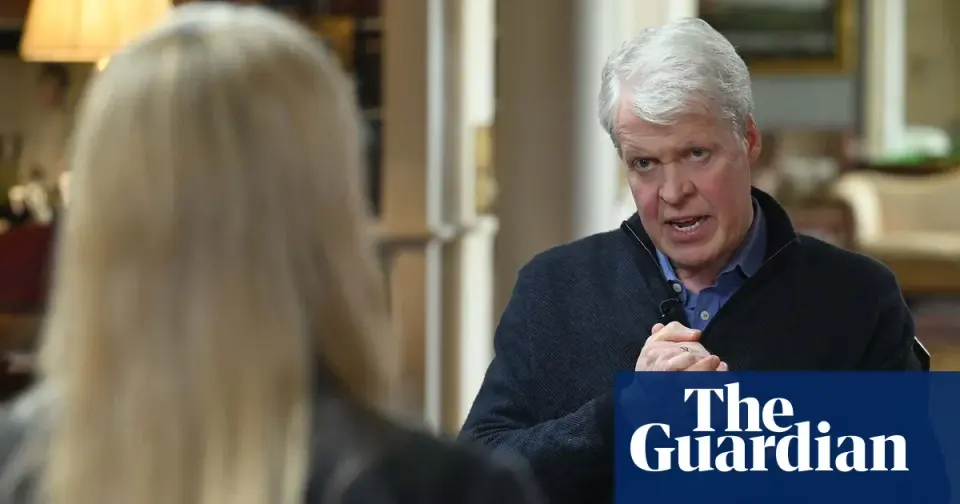
Earl Spencer has drawn a direct parallel between the media treatment of Prince Harry and Meghan Markle and the press coverage that contributed to the death of his sister, Princess Diana. In a BBC interview, Spencer described the current scrutiny of the Sussexes as a 'cancerous influence' and urged the public to learn from Diana's tragic example. This statement follows a week of intense conflict between Spencer and Buckingham Palace regarding his new memoir, 'Swan Song: Diana, My Sister,' in which he alleges King Charles III expressed elation after Diana's 1997 death. While the Palace dismissed these claims as distorted by grief, Spencer has doubled down on his accusations, calling the royal response an act of gaslighting. The controversy coincides with the Sussexes' recent return to the UK, reigniting debates about the toxic nature of British tabloid journalism and its impact on royal family members across generations.
Key points
- Earl Spencer stated that tabloid coverage of Harry and Meghan 'echoes' the treatment Diana received, calling it a 'cancerous influence' on their lives.
- Spencer emphasized that he is not speaking for the Sussexes but is concerned for anyone 'destroyed' by daily media attacks, similar to the pressure Diana faced.
- The comments follow Spencer's release of excerpts from his memoir 'Swan Song: Diana, My Sister,' which alleges King Charles said 'we'll forget her soon enough' after Diana's death.
- Buckingham Palace responded by stating that 'the pain of fraternal grief can cloud reason,' a statement Spencer criticized as an attempt to gaslight him without denying the specific quotes.
- The Sussexes returned to the UK in August 2026 after stepping back from royal duties in 2020, a move they attributed to a 'toxic environment' created by the press.
- Spencer's memoir is scheduled for publication next week, expected to contain further critical assessments of the Royal Family's conduct during Diana's final years.
Background
This development occurs amidst a broader resurgence of tension between the Royal Family and the press, following the Sussexes' return to the UK in August 2026. Previous coverage noted that Earl Spencer's memoir had already sparked a 'royal fallout' with Buckingham Palace, with earlier excerpts alleging Charles behaved like a 'lottery winner' after Diana's death. The current dispute is part of a larger narrative regarding the 'enduring popularity' of Diana and the perceived resentment within the Palace, as highlighted in recent media segments. The Sussexes' 2021 interview with Oprah Winfrey previously cited a 'toxic environment' of control and fear, a sentiment Spencer now explicitly links to the current treatment of his nephew and niece-in-law.
How outlets are covering it
The Guardian and BBC present Earl Spencer's comments as a direct comparison between the media's historical treatment of Diana and its current focus on Harry and Meghan, emphasizing the 'cancerous' nature of such scrutiny. Page Six highlights the personal dimension, noting Spencer's insistence that he is 'on his deceased sister's sons' side' and detailing his refusal to back down from his claims about Charles's behavior. CTV News frames the situation as a 'challenge for the king,' noting that Charles is currently undergoing cancer treatment, and contextualizes the dispute within the broader 'royal rift' caused by the memoir. While all sources agree on the content of Spencer's interview, the BBC and Guardian focus more on the media parallel, whereas Page Six and CTV News give greater weight to the ongoing legal and personal battle between Spencer and the Palace regarding the validity of his memoir's claims. The Palace's official stance, as reported by all outlets, remains that grief distorts memory, a position Spencer rejects as evasive.
Why it matters
The comparison between Diana and the Sussexes underscores the enduring impact of British tabloid culture on the Royal Family, suggesting that the 'toxic environment' cited by Harry in 2021 has not abated. Spencer's public alignment with the Sussexes' grievances, combined with his aggressive stance against the Palace, signals a deepening fracture within the royal family that may have long-term implications for the monarchy's public image. The dispute also highlights the ongoing legal and ethical debates surrounding press freedom and privacy, as evidenced by the Sussexes' recent lawsuits against major publishers. For the King, the controversy adds to a period of personal and institutional strain, potentially complicating his efforts to restore stability within the family and with the public.
What to watch
The full publication of Earl Spencer's memoir, 'Swan Song: Diana, My Sister,' is expected next week, which may introduce further allegations regarding the Royal Family's conduct during Diana's final years. Buckingham Palace is likely to continue its strategy of dismissing specific claims as distortions of memory, while Spencer may pursue further legal or public avenues to validate his accounts. The Sussexes, having returned to the UK, may face increased media scrutiny, potentially leading to further legal actions against tabloid publishers. The ongoing dispute could also influence public opinion regarding the monarchy, particularly as the King continues his cancer treatment and navigates a period of heightened family tension.
- Earl Spencer says media treatment of Harry and Meghan ‘echoes’ Diana’s experience The Guardian
- Harry and Meghan's media treatment echoes what happened to Diana, Earl Spencer tells BBC BBC
- Prince Harry and Meghan Markle’s experience ‘echoes’ what happened to Princess Diana, says Charles Spencer Page Six
- Meghan Markle, Prince Harry’s Treatment Echoes Princess Diana Criticism, Charles Spencer Says people.com
- ‘Cancerous’: Diana’s brother compares media treatment of Harry, Meghan to sister CTV News
Want the full story? Read the original reporting
Read on The Guardian