
King Charles Covers Renovation Costs as Andrew Moves to Sandringham
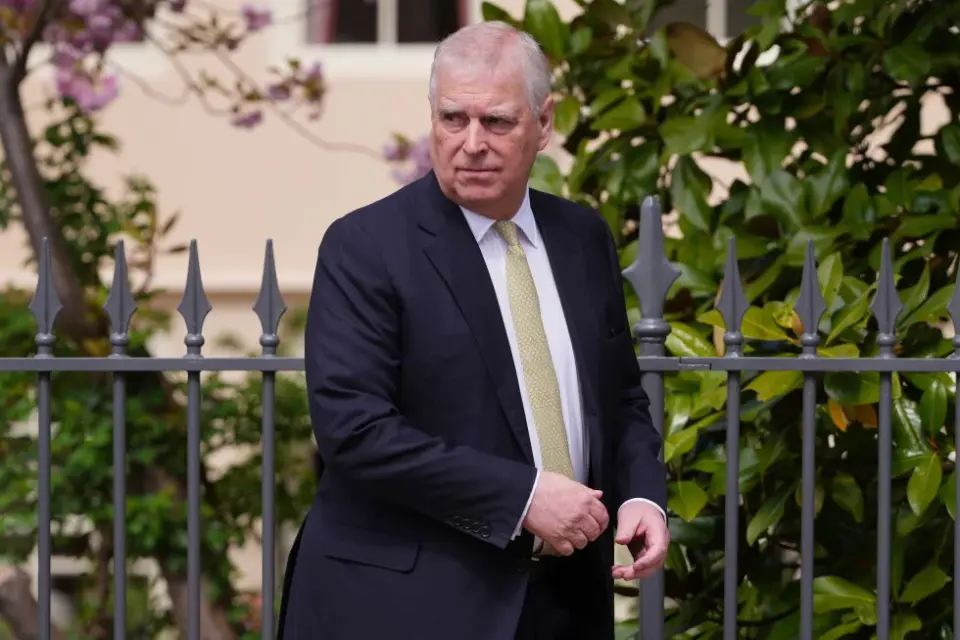
King Charles III paid for the renovation of Royal Lodge to facilitate Prince Andrew's departure, ensuring the former prince received compensation for his improvements. Andrew moved to a home on the Sandringham Estate shortly before his arrest on suspicion of misconduct in public office. A High Court judge has since ruled the search warrants used in his arrest were unlawful, though police maintain their investigation continues.
Key points
- King Charles III covered the renovation expenses for Royal Lodge to allow Prince Andrew to surrender his lease within the first 25 years, entitling him to compensation from the Crown Estate.
- Prince Andrew moved from Royal Lodge to a residence on the privately owned Sandringham Estate in eastern England in February.
- Days after moving, Andrew was arrested on suspicion of misconduct in public office related to allegations that he shared sensitive information with Jeffrey Epstein during his tenure as trade envoy.
- Police conducted an 11-hour questioning session and searched both Royal Lodge and his new Sandringham home.
- A High Court judge ruled on Thursday that the search warrants were unlawful, with further proceedings to determine which evidence will be excluded from potential prosecution.
- Thames Valley Police stated their investigation into the alleged misconduct remains ongoing despite the lack of formal charges.
Background
This development follows a series of legal challenges by Prince Andrew regarding the February 2026 police raids. In early October, Andrew launched a judicial review to quash the search warrants, with King Charles explicitly barring the use of private royal funds to support this legal battle. The current ruling on the unlawfulness of the warrants is the latest outcome of that judicial review process.
Why it matters
The financial settlement and subsequent legal rulings highlight the complex intersection of royal protocol, private property rights, and criminal investigations involving senior royals. The compensation for renovations underscores the Crown Estate's role in managing royal assets, while the court's ruling on the warrants sets a precedent for the admissibility of evidence in high-profile misconduct cases.
What to watch
Further court proceedings will determine which evidence seized during the unlawful searches can be excluded from any potential prosecution. Thames Valley Police will continue their investigation into the alleged misconduct in public office.
Want the full story? Read the original reporting
Read on AP News