
First US Streaming Fraud Conviction: Michael Smith Sentenced to 18 Months for AI Bot Scheme
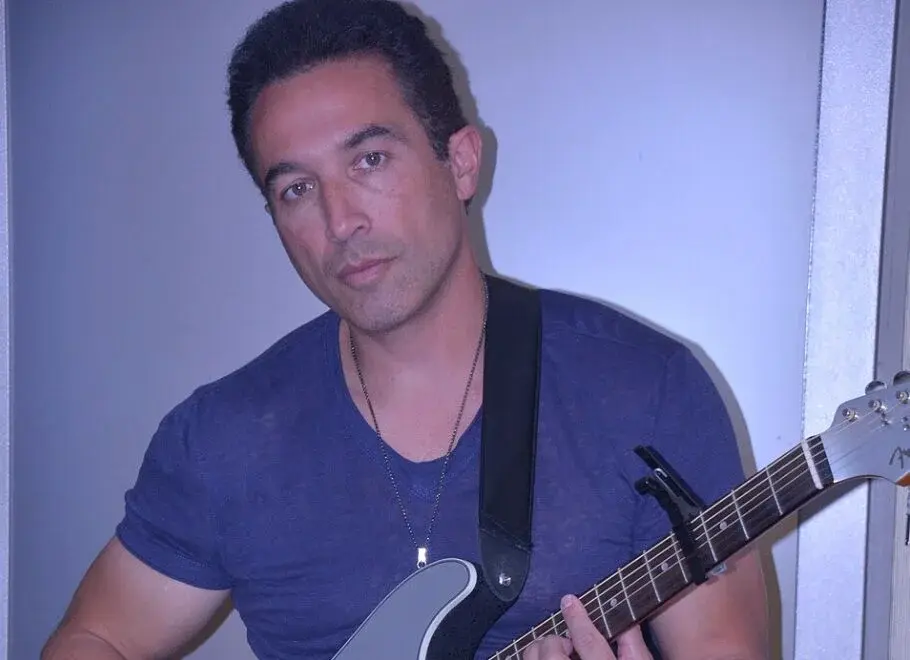
Michael Smith, a 54-year-old North Carolina musician, was sentenced to 18 months in federal prison and ordered to forfeit $8.1 million for the first-ever US prosecution of music streaming fraud. From 2017 to 2024, Smith used AI-generated songs and thousands of bot accounts to generate billions of fake streams, siphoning royalties from legitimate artists. The case prompted the US Copyright Office to launch a formal inquiry into AI-driven streaming fraud, with public comments due in November 2026.
Key points
- Michael Smith pleaded guilty to conspiracy to commit wire fraud in March 2026 and was sentenced by Judge John G. Koeltl in the Southern District of New York.
- Smith is required to forfeit $8,091,843.64 in fraudulently earned royalties and will serve 18 months in prison followed by two years of supervised release.
- The scheme involved creating up to 10,000 fraudulent accounts using stolen debit cards and streaming hundreds of thousands of AI-generated songs via bots.
- In April 2023, Smith’s bot accounts generated 80.9 million streams on YouTube Music family plans, compared to 9.3 million for Taylor Swift’s entire catalog.
- The US Copyright Office opened an inquiry into streaming fraud on October 7, 2026, following a letter from Rep. Scott Fitzgerald, with public comments due November 23, 2026.
Background
This case marks the first federal criminal prosecution for music streaming fraud in the US. Prior to this, industry efforts to combat fraud were primarily internal, such as the Music Fights Fraud Alliance (MFFA) and the International Federation of the Phonographic Industry’s (IFPI) Streaming Integrity Initiative. The recent rise of generative AI has exacerbated the problem, with reports indicating that up to 85% of streams on fully AI-generated tracks in 2025 were fraudulent. The Copyright Office’s inquiry follows a similar 2025 probe into performance rights organizations, which concluded without action.
How outlets are covering it
The US Department of Justice (DOJ) and US Attorney Jamie McDonald emphasized the need for deterrence, stating that Smith’s sophisticated scheme robbed genuine artists and fans of millions. In contrast, Smith’s legal team argued that the sentence was punitive and that Smith should have received probation, noting that he did not personally pocket the $8 million and had secured a job in audio production. Ars Technica highlighted the disparity in streaming numbers, while WUNC News detailed the logistical aspects of the fraud, including the use of co-conspirators abroad to register accounts. Billboard focused on the broader industry response, linking the sentencing to the Copyright Office’s new inquiry into AI’s role in streaming fraud.
Why it matters
This conviction sets a legal precedent for AI-assisted streaming fraud, signaling that the US government will pursue criminal charges for such schemes. The concurrent Copyright Office inquiry may lead to new legislation or regulations to protect royalty pools and ensure the integrity of music streaming platforms, which are increasingly vulnerable to automated fraud.
What to watch
Public comments on the Copyright Office’s streaming fraud inquiry are due by November 23, 2026. The outcome of this inquiry could influence future Congressional legislation on AI and digital service provider fraud. Smith’s forfeiture of $8.1 million will likely be distributed to affected rights holders, though the process may take time.
- US Man Given Prison Sentence for Bot-Farming Music Streams The Quietus
- A.I. Music Fraudster Who Drew Millions in Royalties Is Sentenced to 18 Months The New York Times
- Fraudster jailed for using 10K bots and AI songs to outstream Taylor Swift Ars Technica
- NC man receives 18-month sentence in first-ever music stream fraud case WUNC News
- U.S. Copyright Office Opens Music Streaming Fraud Inquiry, Probing Prevalence & ‘Potential Solutions’ Billboard
Want the full story? Read the original reporting
Read on The Quietus