
Social Media Giants Block Ads for Critical Elon Musk Documentary
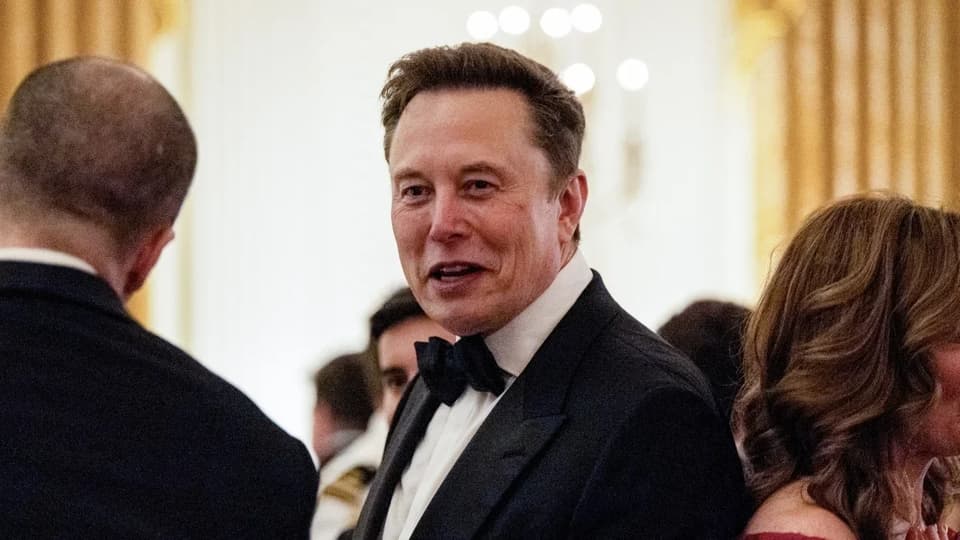
Major social media platforms have refused to run paid advertisements for Alex Gibney’s new documentary 'Musk,' citing political content policies. The film, which opens in theaters on October 9, has faced significant promotional hurdles, including a refusal from X, which is owned by the subject of the documentary. While YouTube, TikTok, and Meta have rejected the trailer, the distributor Bleecker Street is appealing the decisions, raising concerns about free speech and platform control.
Key points
- YouTube, TikTok, and Meta have all refused to run paid ads for the 'Musk' documentary, citing 'political content' policies.
- X, owned by Elon Musk, has refused to engage with Bleecker Street regarding the film or accept advertising for its other upcoming releases.
- Bleecker Street has appealed the decisions from YouTube, TikTok, and Meta, with Meta already rejecting the appeal.
- The documentary, which runs for four hours, has received rave reviews at the Venice International Film Festival and is set to open in theaters on October 9.
- Universal Pictures, which is distributing the film internationally, initially considered backing away from the release but has since reaffirmed its commitment.
Background
The 'Musk' documentary, directed by Alex Gibney, has been a topic of significant discussion since its premiere at the Venice International Film Festival. The film, which is a four-hour deep dive into Elon Musk's life and influence, has been described as a 'nonfiction horror movie' by Rolling Stone. The documentary has faced various challenges, including a refusal from Universal Pictures to distribute the film internationally, which was later reversed. The film's release has been met with mixed reactions, with Musk himself calling the project a 'hit piece' and threatening legal action.
How outlets are covering it
The refusal of major social media platforms to run paid ads for the 'Musk' documentary has raised concerns about free speech and the control exerted by tech companies over artistic expression. The Hollywood Reporter highlights the irony of the situation, noting that the film's message about the concentration of power is being undermined by the platforms' actions. Rolling Stone, on the other hand, focuses on the content of the documentary, describing it as an 'incisive look' at Musk's controversies and power. The Atlantic, meanwhile, questions whether the documentary has done Musk a favor by drawing attention to his actions, while also noting the legal threats from Musk's lawyer. The differing perspectives highlight the complex relationship between media, technology, and free speech in the modern era.
Why it matters
The refusal of major social media platforms to run paid ads for the 'Musk' documentary highlights the growing power of tech companies over the dissemination of information and the potential for censorship. The situation raises important questions about free speech, the role of social media in promoting artistic expression, and the influence of tech companies on public discourse. The documentary's release, despite the promotional hurdles, underscores the ongoing debate about the concentration of power and the need for scrutiny of influential figures in society.
What to watch
Bleecker Street is continuing to appeal the decisions from YouTube, TikTok, and Meta, hoping to change their minds. The film's release in theaters on October 9 will be a key moment to see how the documentary performs despite the lack of paid advertising. The ongoing legal threats from Musk's lawyer and the potential for further platform restrictions will also be closely watched as the film's release approaches.
- Social media platforms refuse to run paid ads for 'Musk' documentary Mashable
- The Major Social Media Platforms Are All Rejecting Paid Ads for Alex Gibney’s ‘Musk’ (Exclusive) hollywoodreporter.com
- Elon Musk Is in the Business of Selling Dreams in Trailer for New Doc Rolling Stone
- Meta and YouTube say they will run ads for ‘Musk’ documentary after all TechCrunch
- Maybe Alex Gibney Did Elon Musk a Favor The Atlantic
Want the full story? Read the original reporting
Read on Mashable