
Tech Giants Block Ads for Critical Musk Documentary, Sparking Free Speech Debate
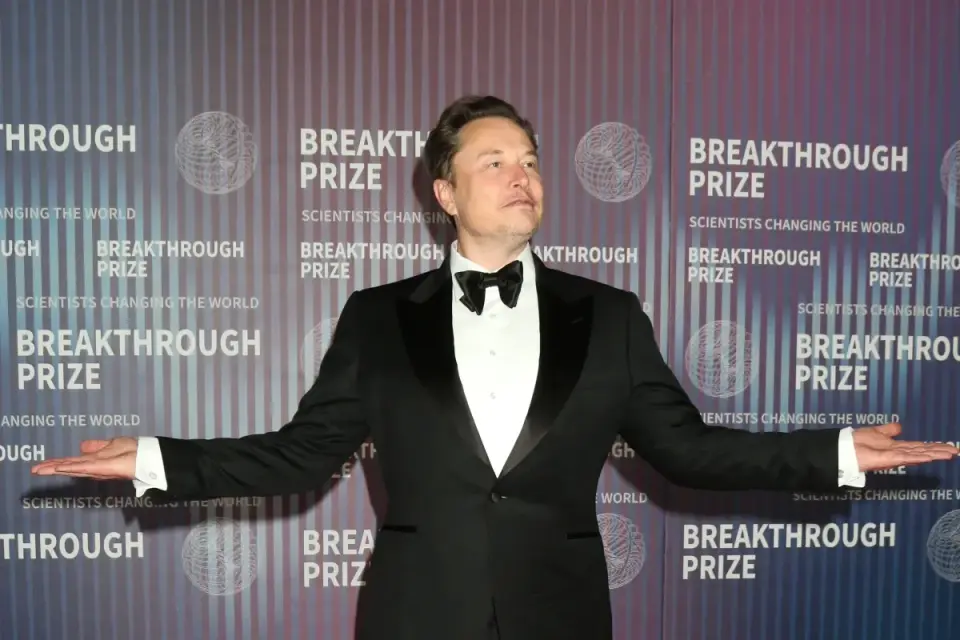
Major social media platforms have refused to run paid advertisements for Alex Gibney's new documentary 'Musk,' citing political content policies. The film, which opens in theaters on October 9, has faced significant promotional hurdles, including a refusal from X, which is owned by the subject of the documentary. While YouTube, TikTok, and Meta have rejected the trailer, the distributor Bleecker Street is appealing the decisions, raising concerns about free speech and platform control.
Key points
- YouTube, TikTok, and Meta (Facebook/Instagram) rejected the 'Musk' trailer, citing 'political content' rules.
- X, owned by Elon Musk, refused to accept ads for the film or other Bleecker Street releases.
- Bleecker Street appealed the decisions; Meta rejected the appeal, while YouTube and TikTok are reviewing it.
- The documentary, a four-hour critical look at Musk, premieres in theaters on October 9.
- Musk has threatened legal action, calling the film a 'hit piece' and accusing it of bias.
Background
Alex Gibney's documentary 'Musk' has been in development for over three years and premiered at the Venice Film Festival in September 2026. The film, which spans nearly four hours, chronicles Elon Musk's life from his upbringing in South Africa to his rise as a tech entrepreneur and political figure. Musk has publicly opposed the film since its announcement in 2023, labeling it a 'hit piece' and threatening a defamation lawsuit over claims regarding his involvement in the 2024 election. The current ad rejection follows a pattern of Musk's efforts to silence critics, including previous bans on journalists on X.
How outlets are covering it
Futurism and The Hollywood Reporter emphasize the potential collusion among tech platforms, arguing that the 'political content' justification is specious since the trailer is not a campaign ad. They view the rejections as an ominous threat to free speech and a testament to Musk's influence. Mashable notes the broader trend of tech companies avoiding critical portrayals, citing similar issues with other documentaries. Deadline highlights the producer's and agent's views, with Nick Shumaker calling it a 'pivotal moment' for democracy and Alex Brunner comparing it to the suppression of Bryan Fogel's 'The Dissident.' All sources agree that the rejections have surprised Bleecker Street and raised concerns about platform control over critical content.
Why it matters
The refusal to run ads for a critical documentary about a major tech figure raises significant questions about the role of social media platforms in shaping public discourse. If platforms can suppress content that criticizes powerful individuals, it could lead to a chilling effect on journalism and free speech. This incident highlights the growing power of tech companies to control the narrative and the potential consequences for democratic processes. It also underscores the need for transparency and accountability in how platforms enforce their content policies.
What to watch
Bleecker Street is continuing to appeal the ad rejections, hoping to reverse the decisions. The outcome of these appeals will be crucial in determining whether the documentary can receive the promotional support it needs to reach a wide audience. Additionally, the situation may lead to increased scrutiny of social media platforms' content policies and their potential to suppress critical content. The documentary's theatrical release on October 9 will be a key moment to see if the ad rejections have any lasting impact on its visibility and reception.
- All Major Social Networks Refusing to Promote Documentary That Made Elon Musk Mad Futurism
- The Major Social Media Platforms Are All Rejecting Paid Ads for Alex Gibney’s ‘Musk’ (Exclusive) The Hollywood Reporter
- Youtube, Meta backtrack on paid ads for 'Musk' documentary Mashable
- 'Musk' Producer & UTA Exec Weigh In On Doc's Recent Ad Rejection Deadline
- Maybe Alex Gibney Did Elon Musk a Favor The Atlantic
Want the full story? Read the original reporting
Read on Futurism