
Tech Giants Block Paid Ads for Critical Elon Musk Documentary
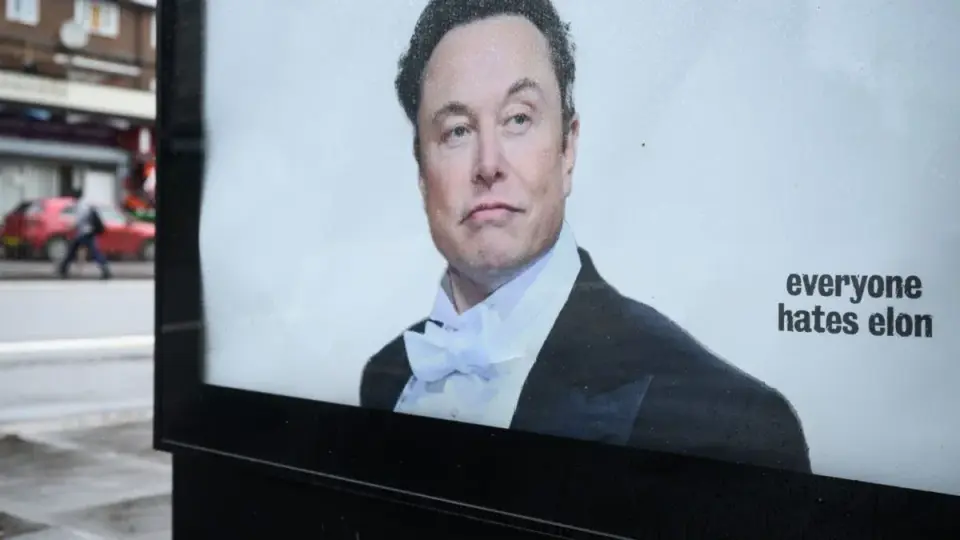
Major social media platforms have refused to run paid advertisements for the upcoming documentary 'Musk,' citing political content policies. This move by YouTube, TikTok, and Meta has sparked concerns about free speech and corporate influence over artistic expression.
Key points
- YouTube, TikTok, and Meta have declined to run ads for the documentary 'Musk,' which opens in theaters on October 9.
- The platforms cited 'political content' restrictions, though the trailer only briefly references the 2024 election.
- Distributor Bleecker Street is appealing the decisions, with TikTok and YouTube still considering the petitions, while Meta has rejected the appeal.
- Elon Musk has responded by calling the documentary a 'hit piece' and the director a 'horrible human,' and has threatened a defamation lawsuit.
- The refusal to run ads has raised concerns about the impact of corporate consolidation on free speech and artistic freedom.
Background
The documentary 'Musk,' directed by Alex Gibney, is a four-hour critical examination of the tech mogul's power and influence. It premiered at the Venice Film Festival in September 2026 and has been described as a 'nonfiction horror movie' and a 'lacerating portrait' of Musk. The film has faced distribution challenges, with Universal initially considering backing away from overseas distribution due to political sensitivities. The ad refusal is the latest in a series of events highlighting the growing influence of tech platforms over media and public discourse.
How outlets are covering it
The Hollywood Reporter and Gizmodo emphasize the surprise and concern surrounding the ad refusals, highlighting the potential impact on the documentary's promotional campaign and the broader implications for free speech. Rolling Stone focuses on the content of the documentary, describing it as an 'incisive look' at Musk's controversies and power. The Atlantic provides a more nuanced perspective, suggesting that the ad refusals might inadvertently benefit Musk by drawing more attention to the documentary. All sources agree that the ad refusals are unprecedented and raise significant questions about the role of tech platforms in shaping public discourse.
Why it matters
The refusal to run ads for the 'Musk' documentary highlights the growing power of tech platforms to influence public discourse and the potential for corporate interests to suppress critical content. This incident raises important questions about free speech, artistic freedom, and the role of social media in shaping public opinion. It also underscores the need for greater transparency and accountability from tech platforms in their content moderation practices.
What to watch
Bleecker Street is continuing to appeal the ad refusals, with TikTok and YouTube still considering the petitions. The documentary is set to open in theaters on October 9, and its success will depend on word-of-mouth and social media traction. The outcome of the ad appeals and the documentary's reception will likely have significant implications for future content moderation policies and the balance of power between tech platforms and media creators.
- All the Major Social Media Networks Are Reportedly Refusing Ads for ‘Musk’ Gizmodo
- The Major Social Media Platforms Are All Rejecting Paid Ads for Alex Gibney’s ‘Musk’ (Exclusive) The Hollywood Reporter
- Elon Musk Is in the Business of Selling Dreams in Trailer for New Doc rollingstone.com
- Maybe Alex Gibney Did Elon Musk a Favor The Atlantic
- We have a trailer for Musk documentary Elon called a "hit piece" Ars Technica
Want the full story? Read the original reporting
Read on Gizmodo