
Zoe Kazan’s ‘East of Eden’ reimagines Cathy Ames as a survivor, not a monster
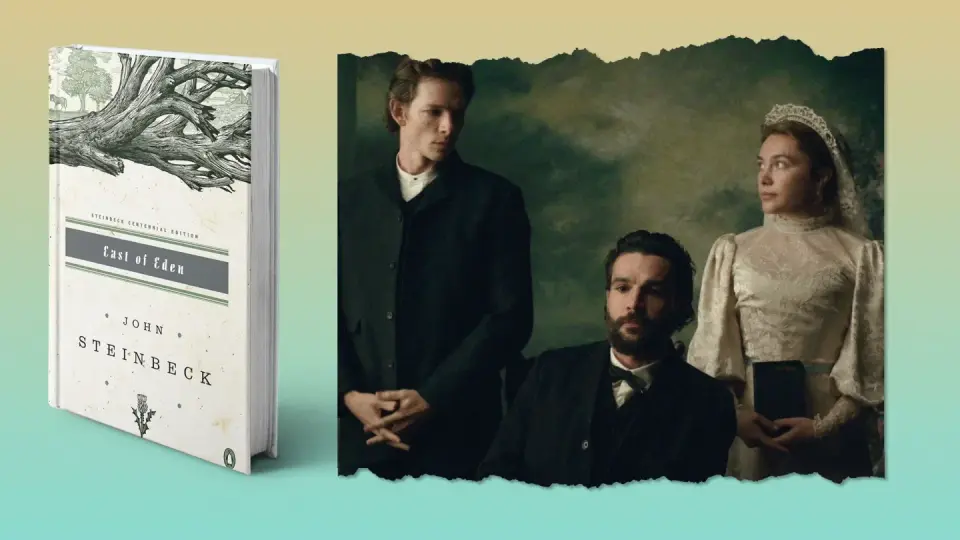
Zoe Kazan’s seven-episode Netflix adaptation of John Steinbeck’s 1952 novel shifts the narrative focus from the male Trask family to Cathy Ames, played by Florence Pugh. Kazan reframes the character as a complex antihero driven by trauma and self-preservation rather than a purely evil villain. The series, which premiered on October 1, 2026, explores intergenerational family dynamics and the impact of historical values on modern audiences.
Key points
- Kazan prioritized the bond between brothers Adam and Charles to establish the stakes before introducing Cathy, rejecting the idea of starting with her as the primary hook.
- The adaptation cuts the Hamilton family storyline and reduces the role of Samuel Hamilton to focus deeply on the inner lives of Cathy, Adam, and Lee.
- Kazan interprets Cathy’s childhood trauma and dissociation through a modern lens, viewing her as a survivor of systemic oppression rather than an amoral monster.
- Budget constraints forced the reduction of the series from eight to seven episodes, requiring the removal of a full episode centered on Lee’s trip to San Francisco.
- The series aims to make 19th-century characters relatable to contemporary viewers by emphasizing universal human experiences over historical accuracy.
Background
This adaptation follows the 1955 film directed by Kazan’s grandfather, Elia Kazan, which starred James Dean. Kazan felt the 1955 film omitted key aspects of the novel, including the intergenerational aspects and the character of Lee. The current series is part of a broader trend of classic novel adaptations in 2026, including 'Sense and Sensibility' and 'Wuthering Heights.'
How outlets are covering it
The Hollywood Reporter highlights Kazan’s decision to center the series on the brothers' love story to contextualize Cathy’s disruption. Variety emphasizes the feminist reimagining of Cathy as a survivor and the deliberate trimming of male-centric subplots to focus on her inner life. CNN focuses on the critical acclaim for Pugh’s performance and the series' ability to make historical characters feel contemporary. Netflix’s coverage explains the finale’s thematic resolution regarding the character Lee and the concept of 'timshel.'
Why it matters
The series demonstrates how classic literature can be reinterpreted to address modern issues of trauma, gender, and systemic oppression. By shifting the focus to Cathy Ames, Kazan challenges traditional narrative structures and offers a new perspective on a beloved American classic, encouraging audiences to revisit the original text with a fresh understanding.
What to watch
Kazan has confirmed she is adapting 'Lonesome Dove' for Netflix. The success of 'East of Eden' may influence future adaptations of classic literature, emphasizing character depth and modern relevance over strict historical fidelity.
- Zoe Kazan on Honoring Steinbeck’s ‘East of Eden’ for Netflix Series While Rethinking Its Characters The Hollywood Reporter
- Opinion | Steinbeck Would’ve Loathed Netflix’s ‘East of Eden’ WSJ
- ‘East of Eden’ Boss Zoe Kazan on That Devastating Ending, Why Florence Pugh’s Cathy Is Both a ‘Murderer’ and ‘Survivor’ and Making Lee a Central Character Variety
- Look of the Week: Florence Pugh assumes her villainous final form CNN
- East of Eden Ending Explained: What Does Timshel Mean? Inside the Series Finale and What Happens to Cathy? Netflix
Want the full story? Read the original reporting
Read on The Hollywood Reporter