
Rochester toddler with rare leukemia receives first-of-kind treatment, now in remission
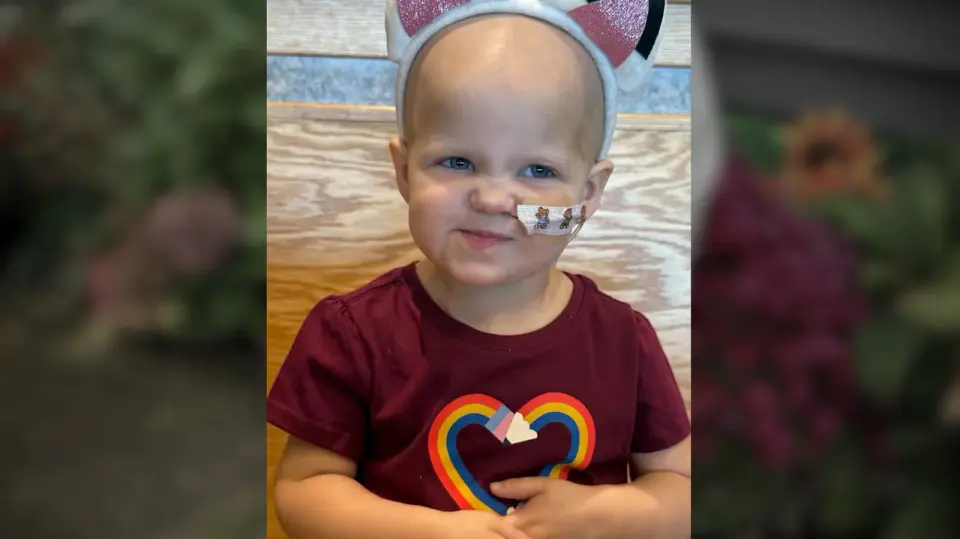
A 2-year-old Rochester girl diagnosed with a rare form of acute myeloid leukemia has entered remission after receiving a novel treatment protocol at Golisano Children’s Hospital. Her mother credits the hospital’s medical team and the local support organization C.U.R.E. for helping the family navigate the crisis. The story highlights the critical role of community-based aid in supporting families facing pediatric cancer diagnoses in the region.
Key points
- Kate Matteson, a 2-year-old from Rochester, was diagnosed with acute myeloid leukemia featuring the rare RAM immunophenotype, a condition affecting approximately a dozen children annually in the US.
- Doctors initially misdiagnosed her symptoms as an ear infection and the flu before blood work revealed the cancer.
- Kate became the first child globally to receive a specific treatment schedule that included a medication typically used for ovarian cancer, which facilitated her subsequent bone marrow transplant.
- The Matteson family received practical assistance from C.U.R.E. Childhood Cancer Association, including food and parking vouchers and gifts for their older daughter, Kasey, who was separated from her family for five months.
- Monroe County Undersheriff Korey Brown, whose grandson survived childhood cancer, has raised over $50,000 for C.U.R.E. through annual 5K runs since 2020.
- Kate is scheduled to meet her bone marrow donor in June 2027.
Background
While recent local coverage has focused on adult diagnoses, such as ovarian and nasopharyngeal cancers, this story highlights the distinct challenges faced by pediatric patients. Unlike adult cases where vague symptoms often lead to delayed detection, Kate’s case involved rapid escalation from common childhood illnesses to a critical diagnosis. The emphasis on community support organizations like C.U.R.E. contrasts with previous archive entries that focused primarily on medical treatments and symptom recognition, underscoring the non-medical burdens of pediatric cancer care.
Why it matters
This case illustrates the intersection of advanced medical innovation and grassroots community support in treating rare pediatric diseases. The use of an off-label medication typically reserved for adult ovarian cancer demonstrates the adaptability of treatment protocols in children. Furthermore, the visibility of organizations like C.U.R.E. highlights how local networks provide essential logistical and emotional support that medical institutions cannot offer, potentially influencing how other families in the region access resources during crises.
What to watch
Kate Matteson is expected to meet her bone marrow donor in June 2027. The Matteson family is organizing a golf tournament to support C.U.R.E., while Undersheriff Brown continues his annual 5K fundraising efforts to sustain the organization's support services for local families.
Want the full story? Read the original reporting
Read on WHEC.com