
Cychlorphine: A New Synthetic Opioid Evades Tests and Spreads Across U.S.
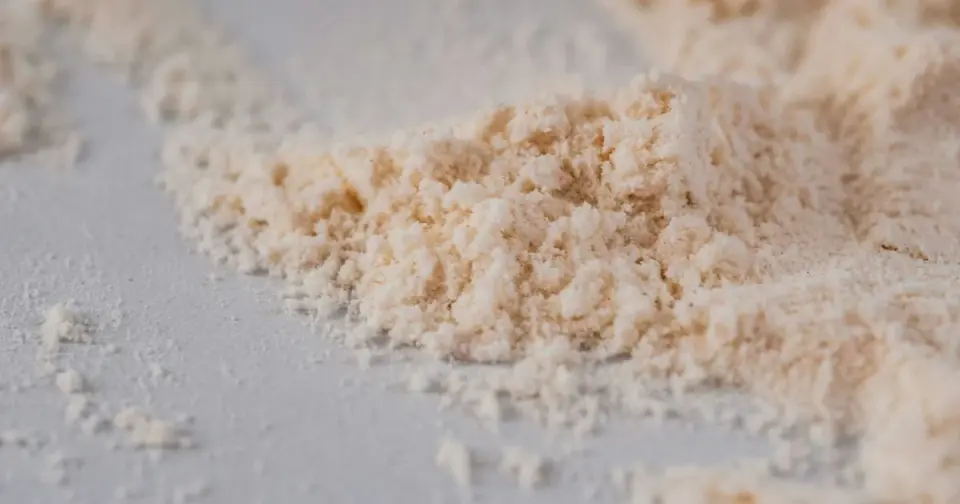
Cychlorphine, a synthetic opioid up to 10 times more potent than fentanyl, is spreading across the U.S. It evades standard drug tests and often requires multiple doses of naloxone to reverse an overdose. Officials warn it is sold via social media disguised as prescription pills.
Key points
- Cychlorphine is a newly emerging synthetic opioid structurally distinct from fentanyl, making it undetectable by standard opioid test strips.
- The drug is estimated to be four to 10 times more potent than fentanyl, causing respiratory depression and potential cardiac arrest.
- Overdose reversal is difficult; medical experts state that multiple doses of naloxone (Narcan) are often required to restore breathing.
- The substance is primarily distributed through social media apps, frequently disguised as Adderall, oxycodone, or other prescription medications.
- Since 2025, the drug has been linked to at least 55 deaths, with a higher concentration in the South and Midwest, particularly Ohio, Tennessee, and Texas.
Background
Cychlorphine was originally developed in the 1960s but never reached the market due to severe respiratory side effects. The street version first appeared in the U.S. in 2024. Recent archive coverage from late September 2026 highlights a nationwide surge in warnings, including a San Francisco teen’s death and alerts from the DEA and various state health departments regarding the drug's rapid spread and evasion of standard detection methods.
How outlets are covering it
WRAL.com emphasizes the South Carolina Attorney General’s warning that the drug is manufactured overseas and smuggled by cartels, describing it as a deliberate threat to American lives. Hawaii News Now focuses on the geographic lag, noting that Hawaii is typically two years behind mainland drug trends and is now preparing for the drug's arrival. WLWT highlights local concerns in Ohio and Kentucky, noting that the drug is often found in combination with fentanyl and that college campuses are actively discussing prevention. Lansing State Journal reports on Michigan State University’s response, including the distribution of Narcan vending machines and medical amnesty policies for students, while noting no confirmed cases in Michigan yet.
Why it matters
Cychlorphine poses a severe public health risk because it is undetectable by standard field tests and requires specialized medical intervention for overdose reversal. Its distribution through social media and disguise as common prescription pills makes it particularly dangerous for young people and first-time users who may not know what they are consuming.
What to watch
Health officials and law enforcement agencies are expected to continue issuing alerts and distributing naloxone in high-risk areas, including college campuses. The DEA and state authorities will likely increase monitoring of social media platforms and counterfeit pill networks to intercept the drug before it spreads to new regions like Hawaii.
- What to know about cychlorphine, a new synthetic opioid raising alarm WRAL
- New potent street drug prompts Hawaii health alert Hawaii News Now
- Synthetic opioid up to 10 times stronger than fentanyl detected in Ohio, Kentucky WLWT
- MSU warns students about new, highly potent opioid circulating in US lansingstatejournal.com
- Drug 10 times more powerful than fentanyl found in counterfeit pills, cocaine FOX 32 Chicago
Want the full story? Read the original reporting
Read on WRAL