
Humboldt County Rabies Cases Reach Four After Cal Poly Humboldt Bat Bite
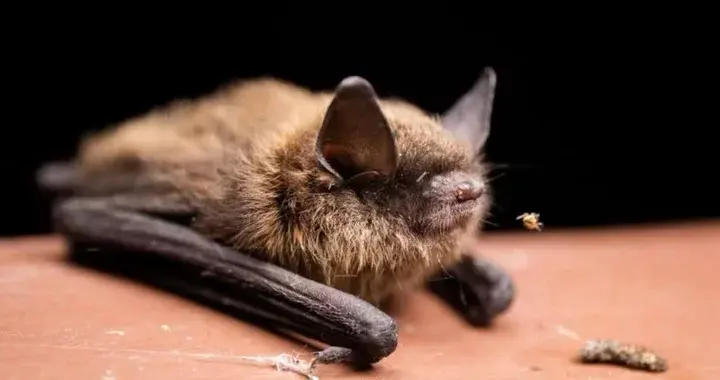
Humboldt County Public Health officials reported a fourth local case of rabies exposure after an individual was bitten by a bat on the Cal Poly Humboldt campus that tested positive for the virus. This incident brings the total number of residents treated for rabies exposure in the past two months to four, all linked to contact with rabid bats. The county has recorded five positive bat tests and one positive skunk test between January and September 15, 2026. Health authorities urge residents to avoid handling wild animals, keep pets indoors at night, and ensure domestic animals are fully vaccinated against rabies.
Key points
- A person bitten by a bat on the Cal Poly Humboldt campus was treated for rabies exposure after the animal tested positive.
- This is the fourth local case of rabies exposure in two months, following earlier incidents involving three children in Manila and Arcata.
- Humboldt County has recorded five positive bat tests and one positive skunk test for rabies from January to September 15, 2026.
- The CDC recently issued a warning regarding a nationwide increase in reported human rabies exposures and post-exposure prophylaxis administration.
- Public health officials advise washing bites immediately with soap and water, seeking medical attention, and reporting animal bites to local control officers.
Background
In early September, Humboldt County Public Health issued advisories after three children required rabies treatment following bat encounters in Manila and Arcata. These earlier incidents highlighted that rabies remains an endemic disease in local wildlife. Concurrently, Berkeley reported a sharp rise in rabid bats, with five positive tests in 2026 compared to prior years, prompting similar public health warnings across Northern California.
Why it matters
The rising number of rabies exposures in Humboldt County underscores the persistent risk posed by wild bats, even in residential and campus settings. As the CDC notes a nationwide trend in human exposures, local vigilance is critical to prevent potential transmission. Prompt post-exposure treatment is essential, as rabies is nearly always fatal once symptoms appear, making prevention and immediate medical response the only effective safeguards.
What to watch
Residents are advised to continue avoiding contact with wild and stray animals, bring pet food indoors at night, and ensure all domestic animals are vaccinated against rabies. Individuals who suspect exposure should wash the wound immediately and contact the DHHS Division of Environmental Health at 707-445-6215 or 1-800-963-9241 for guidance. Health officials will likely continue monitoring animal testing results and public compliance with safety measures through the remainder of the year.
Want the full story? Read the original reporting
Read on Lost Coast Outpost