
Childhood nearsightedness rates surge as experts link early onset to screen use and lack of outdoor time
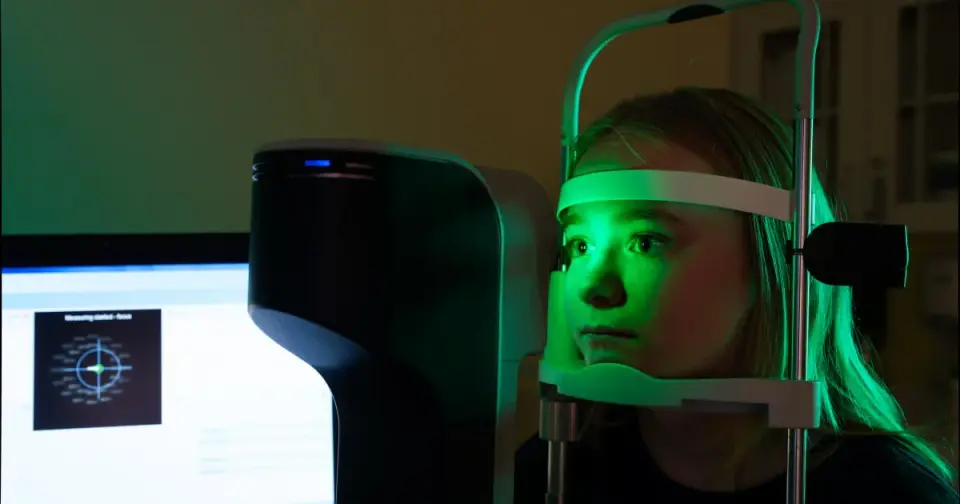
Childhood myopia is rising globally, with diagnosis ages dropping to 3-4 years. Experts attribute this to increased near-work and reduced outdoor time, warning of long-term risks like blindness. New treatments, including low-dose atropine and specialized lenses, aim to slow progression, while research emphasizes the need for structured outdoor breaks to counteract eye elongation.
Key points
- Global myopia rates in children rose from 24.3% in 1990 to 35.8% in 2023, with projections reaching 39.8% by 2050.
- The average age of myopia onset has shifted from 6-7 years to as young as 3-4 years in some clinics.
- Early onset increases the lifetime risk of severe eye diseases, including retinal tears, macular degeneration, and glaucoma.
- Experts cite two primary behavioral drivers: increased time spent on close-up screens and decreased time spent outdoors.
- The International Myopia Institute recommends 80-120 minutes of daily outdoor activity for school-age children to help prevent progression.
- Emerging treatments include low-dose atropine eye drops and FDA-approved lenses designed to slow myopia progression in children.
Background
This trend follows broader concerns about pediatric health impacts from modern lifestyles, such as the link between childhood cardio fitness and adult depression risk, and the rising incidence of colorectal cancer in younger adults. While genetics play a role, the rapid increase in myopia rates suggests environmental and behavioral factors are the primary drivers of this global health issue.
Why it matters
The rising prevalence of early-onset myopia poses a significant public health burden, potentially leading to a surge in vision loss and blindness among older adults by 2050. Understanding the interplay between screen time and outdoor exposure is crucial for developing effective preventive strategies and treatments to mitigate long-term visual complications.
What to watch
Researchers are launching international studies to track myopia development across multiple countries, aiming to identify specific environmental factors that influence progression. Clinics are increasingly adopting new treatment protocols, including low-dose atropine and specialized lenses, to slow the advancement of nearsightedness in children. Public health guidelines may evolve to emphasize structured outdoor breaks and stricter screen time limits for young children.
- A ‘tidal wave’ of severe eye disease is looming. It starts with childhood nearsightedness Los Angeles Times
- Myopia study reveals 'alarming' awareness gap Optician Online
Want the full story? Read the original reporting
Read on Los Angeles Times