
Epic Data Shows 1995 Chickenpox Vaccine Era Halved Shingles Rates in Young Adults
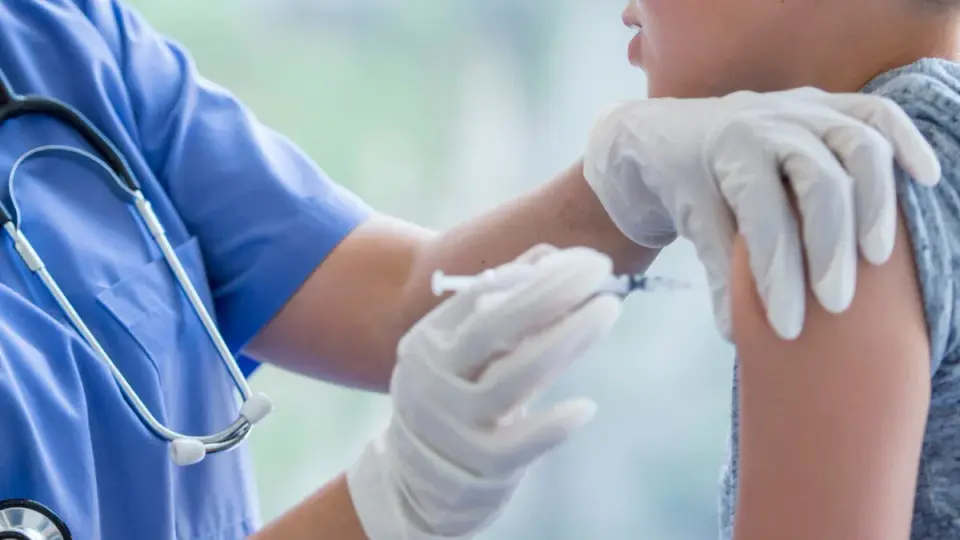
A massive analysis of 85 million U.S. medical records confirms that the 1995 introduction of the childhood chickenpox vaccine has significantly reduced shingles cases in adults under 35. While shingles rates are rising for older cohorts who contracted the virus naturally, younger generations vaccinated as children show a steep decline, with rates dropping by 62% between the mid-1990s and 2000s birth cohorts. This data supports the long-term protective benefits of early vaccination against the varicella-zoster virus.
Key points
- Epic Research analyzed 85 million U.S. patient records from 2019 to 2026, finding a sharp decline in shingles diagnoses among adults under 35.
- Shingles rates for those born 1996-2000 dropped to 17.3 per 10,000, a 62% decrease from the 1991-1995 cohort, coinciding with the 1995 vaccine rollout.
- Older generations, including Gen Xers, continue to experience higher shingles rates, averaging 181.9 per 10,000, as they were less likely to receive the childhood vaccine.
- The decline is attributed to the vaccine preventing initial varicella-zoster infection, which is the prerequisite for later shingles reactivation.
- Shingles rates are rising for adults over 35, potentially due to the loss of natural 'booster' exposure from community transmission in the pre-vaccine era.
Background
This development follows ongoing debates over U.S. vaccination policies, including a 2026 lawsuit where a federal judge preserved the routine childhood chickenpox vaccine schedule against challenges from the Department of Health and Human Services. Previous coverage noted that while shingles vaccines like Shingrix are recommended for adults over 50, the new data highlights the distinct, long-term protective benefits of the childhood chickenpox vaccine itself. The findings also contrast with recent state-level moves, such as Florida’s proposal to loosen school vaccine requirements, which experts warn could undermine these public health gains.
How outlets are covering it
Gizmodo emphasizes the generational divide, highlighting how the 1995 policy created a 'sharp break' in shingles rates, with the youngest cohorts seeing the most dramatic reductions. NBC News focuses on the statistical decline, noting that while shingles is rare in those under 50, the data suggests potential lifelong benefits, though it cautions that long-term protection remains unproven. In contrast, UW Medicine’s background piece frames shingles as a 'zombie virus' that reactivates in older adults, emphasizing that while the childhood vaccine prevents initial infection, the Shingrix vaccine remains critical for those over 50 to prevent reactivation. Gulf Breeze News offers a personal anecdote of a patient who contracted shingles despite vaccination, illustrating that while the vaccine reduces risk, it does not guarantee absolute immunity, particularly for those who may have been exposed before the vaccine was widely available.
Why it matters
The data provides empirical support for maintaining routine childhood vaccination schedules, countering recent political efforts to remove chickenpox from mandatory school requirements. It demonstrates that preventing the initial varicella-zoster infection not only stops chickenpox but also significantly reduces the lifetime risk of shingles, a condition linked to chronic nerve pain, vision loss, and increased stroke risk. As older cohorts continue to face rising shingles rates, the findings underscore the importance of both childhood vaccination and adult booster strategies to manage the long-term burden of this virus.
What to watch
Health officials will likely use this data to reinforce the importance of the current childhood vaccination schedule, particularly as the Department of Health and Human Services faces ongoing legal challenges regarding vaccine mandates. Researchers will continue to monitor whether the protective effects of the childhood vaccine persist as these younger cohorts age into their 50s and beyond. Additionally, public health campaigns may shift focus to ensuring that adults over 50 receive the Shingrix vaccine, as the childhood vaccine alone does not eliminate the risk of reactivation in older age.
- Childhood Chickenpox Shots May Be Slashing Shingles Cases Decades Later—by Quite a Bit Gizmodo
- Shingles cases dropping among people who got chickenpox vaccine, data shows NBC News
- Chickenpox Shot Tied to Big Drop in Shingles for This Group Newser
- Shingles Is a Serious Infection rightasrain.uwmedicine.org
- Shingles patient doesn’t experience pain due to vaccination Gulf Breeze News
Want the full story? Read the original reporting
Read on Gizmodo