
Essex cancer patient highlights gaps in spinal care after being left without specialist support
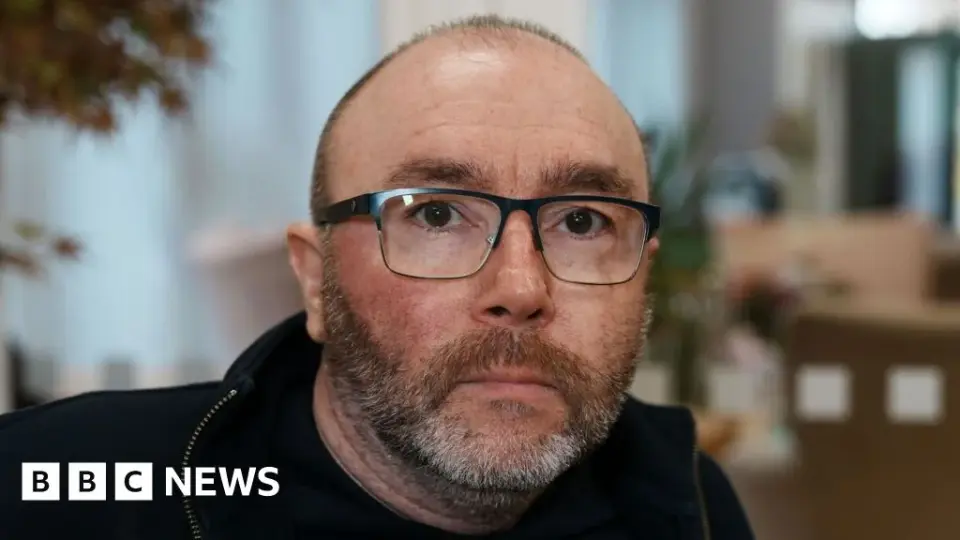
David Bateman, a 53-year-old father from Halstead, Essex, describes feeling 'imprisoned' in his home after becoming paralyzed from the chest down in 2023 due to a rare spinal cord tumor. Although he was treated for cancer at Colchester Hospital, Bateman alleges that medical staff ignored his spinal injury needs and failed to refer him to a specialist unit. He was given a 12-month life expectancy and left without a care package, leading to a life spent largely in bed or a chair. Bateman’s condition has since stabilized, and he now collaborates with the Spinal Injuries Association and East Suffolk and North Essex NHS Foundation Trust to improve patient pathways. Hospital officials acknowledge that their focus on cancer treatment may have overshadowed spinal care and have since updated protocols to better coordinate with external charities.
Key points
- David Bateman was diagnosed with a spinal cord tumor in 2017 and suffered paralysis in March 2023 during cancer treatment.
- Bateman claims doctors prioritized cancer treatment while neglecting his spinal injury, failing to refer him to a specialist spinal unit.
- He was given a 12-month life expectancy and left without adequate support, leading to a sedentary lifestyle he described as feeling 'imprisoned'.
- Bateman discovered the Spinal Injuries Association through a documentary, which provided him with essential support and resources.
- His cancer is now stable, and he works with NHS staff to improve care coordination for patients with complex conditions.
- Morven Hurding, a senior cancer nurse at Colchester Hospital, admitted that the focus on cancer treatment resulted in less support for Bateman’s spinal injury.
Background
This story follows a broader trend of patients with complex conditions, such as cancer combined with other chronic issues, facing fragmented care. Recent coverage has highlighted how individuals with stage 4 cancer, like Liam Bradley from Lincoln, navigate treatment and personal milestones, underscoring the importance of comprehensive support systems. While Bradley’s case focused on fertility preservation before chemotherapy, Bateman’s experience highlights the critical need for integrated care that addresses both the primary disease and resulting physical disabilities. The lack of referral to specialist units in Bateman’s case contrasts with the proactive steps taken by other patients to manage their conditions, illustrating the variability in NHS support across different regions and specialties.
Why it matters
Bateman’s experience exposes a significant gap in the NHS’s approach to patients with concurrent conditions, where the focus on one life-threatening illness can lead to the neglect of other critical needs. His advocacy has prompted changes in how hospital teams collaborate with external charities, potentially improving outcomes for future patients with spinal injuries or complex care requirements. This case underscores the importance of patient feedback in shaping healthcare policies and the need for a more holistic approach to treatment that does not isolate different aspects of a patient’s health.
What to watch
East Suffolk and North Essex NHS Foundation Trust is expected to continue implementing changes to care pathways based on Bateman’s feedback. The Spinal Injuries Association will likely continue to work with hospitals to ensure that patients with spinal cord injuries are referred to specialist units and receive comprehensive support. Bateman’s ongoing collaboration with the NHS may lead to further improvements in how patients with complex conditions are managed, potentially reducing the 'postcode lottery' of care access highlighted by the charity.
Want the full story? Read the original reporting
Read on BBC