
Florida Dengue Cases Surpass 250, Marking Largest U.S. Outbreak in Decades
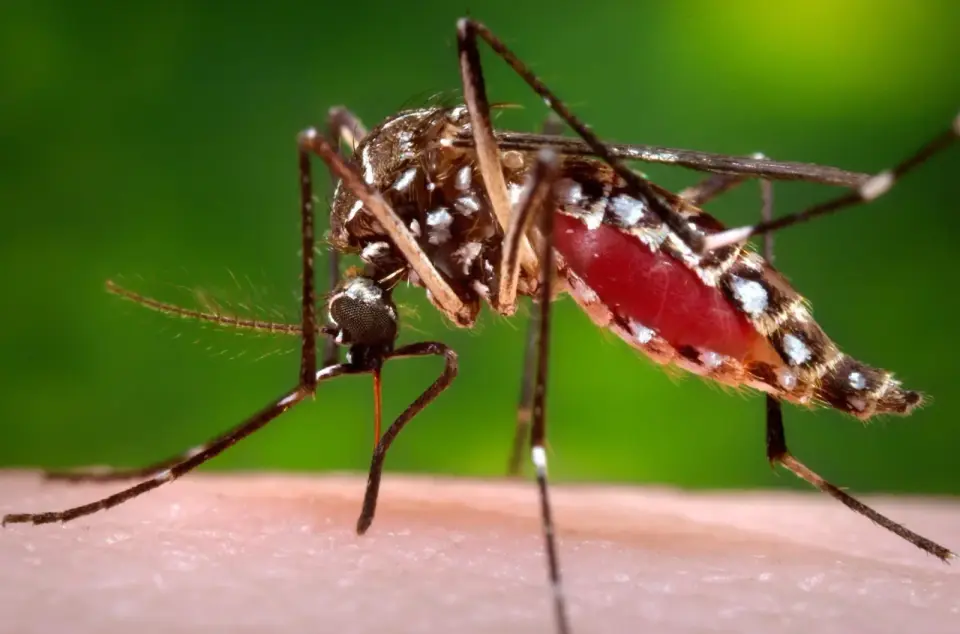
Florida has recorded over 250 locally acquired dengue cases in 2026, marking the largest outbreak in the continental United States since the 1940s. The surge, centered in Hillsborough County near Tampa, has prompted local emergency declarations and intensive mosquito spraying. While most cases are mild, one elderly resident died in September, and experts warn that climate change and travel patterns are making such outbreaks more frequent.
Key points
- More than 250 locally acquired dengue cases have been reported in Florida this year, with the vast majority in Hillsborough County.
- This represents the highest number of cases in a single calendar year for any continental U.S. state since at least the 1940s.
- Local emergencies have been declared in Hillsborough and surrounding counties, with workers spraying for mosquitoes day and night.
- One dengue-related death was confirmed in Florida this year, involving an 80-year-old woman in Hillsborough County who died on September 4.
- The CDC has provided $800,000 in assistance to the Florida Department of Health but has not sent disease investigators, as state officials have not requested them.
Background
In late September 2026, earlier reports indicated that Florida was experiencing a significant dengue surge, with locally acquired cases rising to over 150 by mid-September. The first confirmed death of the year, an 80-year-old Hillsborough County resident, occurred on September 4. At that time, health officials emphasized the lack of a general antiviral cure or widely recommended vaccine for the average traveler, stressing prevention through bite avoidance and eliminating standing water. The current outbreak is part of a broader trend where dengue-carrying Aedes aegypti mosquitoes are expanding their geographic range in the U.S. due to warmer temperatures and urban growth.
Why it matters
The scale of this outbreak highlights a shifting public health landscape in the continental United States, where dengue is no longer primarily a travel-associated risk but a local threat. The failure of the CDC to deploy investigators, despite providing financial aid, raises questions about federal-state coordination in emerging disease responses. As climate change continues to expand mosquito habitats, experts suggest that frequent local outbreaks may become the 'new normal,' requiring sustained community-level prevention efforts and potentially redefining how public health agencies monitor and respond to vector-borne diseases in the U.S.
What to watch
Health officials will continue intensive mosquito control measures, including spraying and inspecting properties for pooled water, particularly in the Tampa area. Residents are advised to use EPA-registered insect repellents and wear protective clothing, especially during dawn and dusk when mosquitoes are most active. The CDC will monitor the situation, but without on-the-ground investigators, the focus remains on state-led efforts and public education to mitigate further transmission.
Want the full story? Read the original reporting
Read on Orlando Sentinel