
Global teen inactivity stalls at 240 million as industry and experts urge structural change
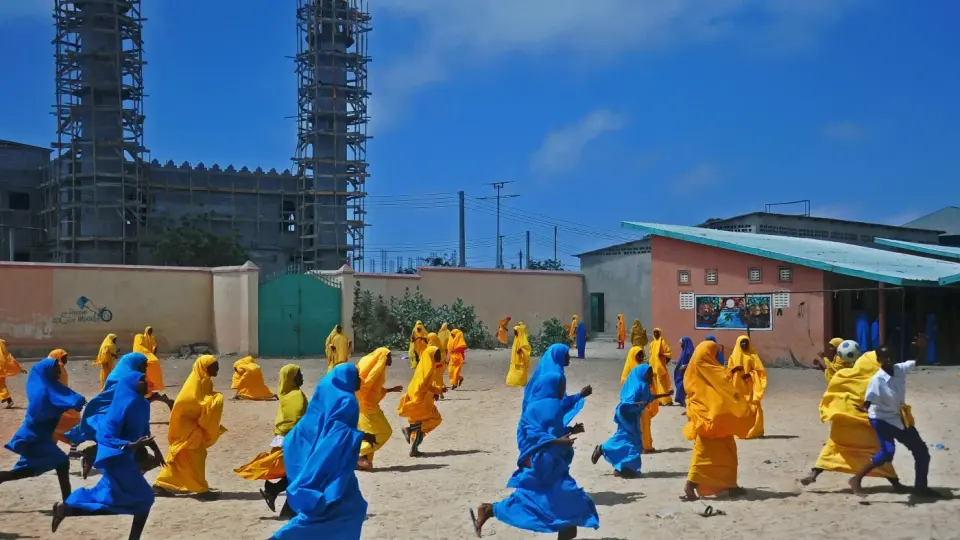
A major study in The Lancet Global Health reveals that global adolescent physical activity levels have remained stagnant since 2010. Approximately 240 million teens, or one in four, report zero days of moderate-to-vigorous exercise per week. Only 14% of adolescents meet the World Health Organization’s daily recommendation of 60 minutes of activity. The data highlights significant disparities, with girls and youth in lower-income countries consistently less active than their peers. While no country is on track to meet the 2030 target for reducing inactivity, experts and sporting goods companies are calling for systemic changes in urban planning, school policies, and gender norms to address the crisis.
Key points
- The study analyzed data from 3.2 million adolescents across 140 countries, finding the global average for active days per week was 2.7, unchanged from 2010.
- Girls reported significantly lower activity levels than boys, with 29% of girls having zero active days compared to 22% of boys.
- Adolescents in high-income regions averaged four active days per week, while those in lower-income regions averaged around two.
- 83 sporting goods companies, including Nike and Adidas, signed an open letter committing to initiatives that increase youth participation and close the gender gap.
- Experts emphasize that inactivity in adolescence establishes a baseline for adulthood, increasing risks for non-communicable diseases.
Background
This report builds on earlier coverage from November 4, 2026, which first highlighted the stagnant global teen inactivity rates. While previous discussions focused on adult fitness routines and sarcopenia, this new data specifically targets the adolescent demographic, confirming that current interventions are failing to reach a substantial portion of the population.
How outlets are covering it
NPR and Euronews both emphasize the stagnation of activity levels over the past 15 years, noting that 'business as usual' will not change these trends. Euronews provides specific regional data, identifying Finland, Canada, and Serbia as the most active nations, while Cambodia, Jordan, and Madagascar are the least active. NPR highlights the role of urban design and safety concerns in Latin America, where parents often restrict children from walking alone. WWD focuses on the industry response, detailing how 83 companies, including Nike and Asics, have committed to collective action to address inactivity. While NPR and Euronews focus on the public health and policy implications, WWD frames the issue as a commercial and social responsibility for the sporting goods sector, with executives noting that inactivity is their 'biggest competitor.'
Why it matters
Adolescence is a critical period for shaping lifelong health habits. The persistent lack of physical activity among teens is linked to higher risks of non-communicable diseases, which account for 75% of global deaths. Addressing this gap requires not just individual choices but structural changes in how cities are built and how schools are organized, particularly to ensure safe and accessible environments for girls and youth in lower-income areas.
What to watch
Policymakers and industry leaders are expected to push for more structured sport programs in schools and improved urban infrastructure. The sporting goods industry has pledged to share best practices and collaborate with governments to align health, education, and urban planning policies. However, experts warn that these changes will take years and require sustained investment, as no country is currently on track to meet the 2030 target for reducing adolescent inactivity.
- Teens worldwide aren't getting enough exercise — especially girls NPR
- WHO sounds alarm over lack of physical activity among teens Medical Xpress
- Teenage girls exercising less than boys over safety fears, say experts The Telegraph
- Teenagers worldwide aren't getting enough exercise Euronews.com
- Adidas, Asics, New Balance, Nike and More Join Forces for Youth Physical Fitness Push WWD
Want the full story? Read the original reporting
Read on NPR