
Lancet study warns plant-based milk swaps risk iodine deficiency in UK women
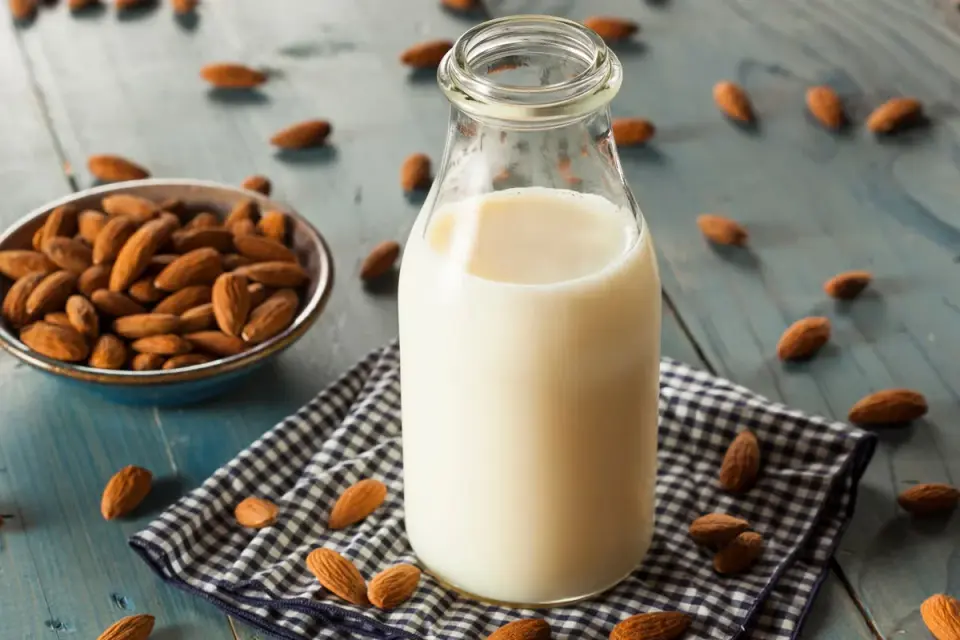
A new study in The Lancet Planetary Health indicates that replacing dairy with plant-based alternatives may lead to significant micronutrient deficiencies, particularly iodine, among UK women and adolescents. While cow's milk provides essential nutrients like calcium and B12, many plant-based substitutes lack these unless specifically fortified. Experts recommend choosing fortified soya or pea milk for those avoiding dairy, noting that current fortification levels in the market are insufficient to prevent widespread nutrient gaps.
Key points
- Research published in The Lancet Planetary Health suggests that even partial swaps from dairy to plant-based milks can cause deficiencies in iodine, calcium, riboflavin, and vitamin B12.
- Iodine deficiency is a primary concern, as it is vital for thyroid function and brain development; over half of UK teenage girls already have inadequate intake.
- Modelling shows that replacing one-third of dairy intake with plant-based alternatives could raise iodine deficiency prevalence from 32% to 42% in women aged 19-49.
- Only 19% of non-dairy milks on the UK market are fortified with riboflavin, and just 12% contain iodine, despite no formal requirement for such fortification.
- Nutritionists recommend fortified soya milk as the closest nutritional equivalent to cow's milk, followed by pea milk, while warning against relying on unfortified options like almond or coconut milk.
Background
This follows broader discussions on dietary shifts and nutritional adequacy, such as recent studies on the impact of obesity on cancer defenses and the stagnation of physical activity levels among youth. While previous archive items focused on specific food components like coffee or weight-related health risks, this story addresses the macro-nutritional implications of widespread dietary changes in the UK.
How outlets are covering it
The Independent and The Guardian both highlight the nutritional gap between dairy and plant-based milks but emphasize different aspects. The Independent focuses on a comparative analysis of specific milk types, concluding that fortified soya and pea milk are the best alternatives for those avoiding dairy. The Guardian, citing the Lancet study, stresses the population-level risk, particularly for young women and adolescents, and notes that mandatory fortification could mitigate these risks. The Telegraph source was inaccessible due to a security block, and The i Paper provided unrelated content, so no perspective from them could be synthesized. Nutritionist Rob Hobson (Independent) and Dr. Sarah Bath (Guardian) agree that fortification is critical but differ in emphasis: Hobson focuses on individual product choices, while Bath highlights systemic public health concerns.
Why it matters
As plant-based diets become more prevalent, understanding the nutritional trade-offs is crucial for public health. Iodine deficiency can lead to serious developmental and metabolic issues, particularly in vulnerable groups like pregnant women and children. This study underscores the need for consumers to check labels for fortification and for policymakers to consider mandatory nutrient additions to plant-based products to prevent widespread deficiencies.
What to watch
Regulatory bodies may review fortification requirements for plant-based milks in response to the study. Consumers are advised to select fortified products and ensure adequate iodine intake through other sources like white fish or eggs. Industry players like Danone and Oatly have already begun fortifying their core ranges, but broader adoption may depend on regulatory pressure or consumer demand.
- Expert gives verdict on the healthiest milk after surprising new study The Independent
- Swapping from dairy to plant-based milk, cheese and yoghurt ‘could lead to micronutrient deficiencies’ The Guardian
- Switch from dairy to plant-based products ‘carries health risks’ The Times
- Dropping milk to go vegan is bad for you, study warns The Telegraph
- Tired and putting on weight? This could be the surprising reason The i Paper
Want the full story? Read the original reporting
Read on The Independent