
New Hematology Guidelines Lower Thresholds to Catch Undiagnosed Iron Deficiency
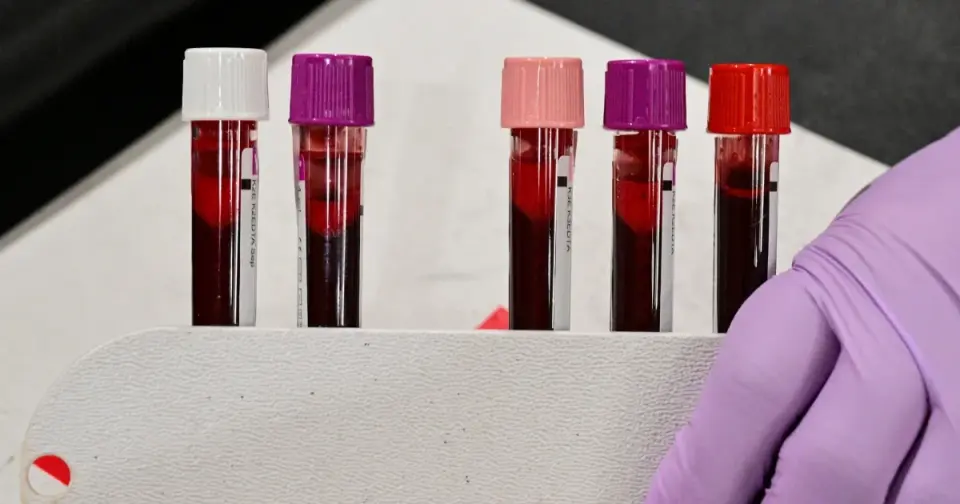
The American Society of Hematology (ASH) has released its first standardized guidelines for diagnosing iron deficiency, aiming to address widespread underdiagnosis in the U.S. The new recommendations lower the ferritin threshold for deficiency, particularly for women with heavy menstrual periods, to ensure earlier detection and treatment. Experts note that while iron deficiency affects nearly one-third of U.S. adults, it is often missed because standard blood tests do not measure ferritin levels, leading to untreated symptoms like fatigue and cognitive issues.
Key points
- ASH guidelines establish new ferritin thresholds, setting the cutoff at 30 ng/mL for general adults and 50 ng/mL for women with heavy periods, which is lower than many lab standards.
- A 2024 study found nearly one in three U.S. adults have iron deficiency, with prevalence increasing by 3% between 1999 and 2020.
- Iron deficiency is distinct from anemia; patients can be iron-deficient without low hemoglobin, yet still experience symptoms like fatigue, brain fog, and restless legs.
- Women of childbearing age are at highest risk due to blood loss from menstruation, with conditions like endometriosis and fibroids exacerbating iron loss.
- Treatment typically involves oral iron supplements, with dietary adjustments for vegetarians and vegans to improve absorption.
Background
Recent coverage has highlighted the 'ferritin face' social media trend, which incorrectly attempts to diagnose iron deficiency through physical appearance. While these viral claims oversimplify the condition, they have increased public awareness that iron deficiency is a common nutritional issue affecting a significant portion of the U.S. population, particularly women. The new ASH guidelines aim to move diagnosis away from anecdotal symptoms and toward standardized medical testing.
Why it matters
Standardized diagnostic criteria will likely lead to more accurate identification of iron deficiency, allowing for earlier intervention. This is crucial because untreated deficiency can progress to anemia, causing serious health complications, and because many patients currently suffer from debilitating symptoms without receiving proper treatment due to inconsistent lab thresholds.
What to watch
Healthcare providers are expected to adopt the new ASH guidelines, leading to more frequent ferritin testing for patients exhibiting symptoms like fatigue. This shift may result in a higher number of diagnoses and increased use of iron supplements and dietary interventions to manage the condition.
Want the full story? Read the original reporting
Read on NBC News